How to Prune Mint vervain?
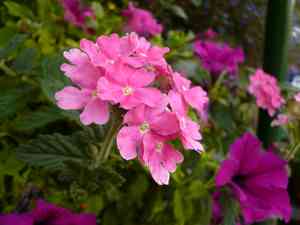
Mentha spicata, recognized for its fragrant leaves and vivid blossoms, thrives with trimming performed from late winter to early spring, coinciding with its natural development phase. Essential methods involve severing aged stalks to stimulate fresh shoots, reducing crowded sections for improved air circulation, and removing faded flowers to encourage ongoing blooming. Trimming boosts the plant's well-being, prevents excessive elongation, and preserves a dense structure. Consistent trimming guarantees robust development and plentiful, colorful flowers throughout the cultivation period.
What Are the Benefits of Pruning Mint Vervain?
What Are the Benefits of Pruning Mint Vervain?
Trimming mint vervain promotes robust development and helps maintain its form. Regular cutting encourages denser foliage, enhances blooming, and can prevent pest and disease issues, ensuring a healthier specimen.
What Is the Best Time for Pruning Mint Vervain?
What Is the Best Time for Pruning Mint Vervain?
Trimming mint vervain in late winter or early spring is optimal, allowing the plant to recover swiftly during its active growth phase. This timing reduces stress and encourages strong new growth before the flowering period. Pruning prior to the plant fully emerging from dormancy ensures quick wound healing, lowering disease risk and fostering a more vigorous, healthier plant.
What Tools Do I Need to Prune Mint Vervain?
Hand Pruners
Perfect for precise cuts on slender stems and branches. Mint vervain typically has smaller branches that are best managed with hand pruners.
Bypass Pruners
Best for living branches and stems, these pruners create clean cuts that help prevent harm to the plant's tissues.
Loppers
Useful for thicker branches that might be encountered when pruning mint vervain. They offer greater leverage, ensuring clean cuts with minimal effort.
Shears
Essential for shaping and trimming multiple stems simultaneously, shears enable efficient pruning of mint vervain's dense foliage.
How to Prune Mint Vervain
Inspect
Carefully examine mint vervain to identify any diseased or withered leaves. Look for discoloration, spots, or signs of decay on the foliage.
Sanitize
Disinfect your pruning tools with a solution of one part bleach to nine parts water to prevent the spread of disease.
Remove diseased leaves
Use sharp, sanitized pruning shears to remove any diseased leaves by cutting them at the base, close to the main stem, without damaging healthy parts.
Trim withered leaves
Carefully trim withered leaves from mint vervain, cutting near the base of the leaf petiole to encourage new growth and maintain plant health.
Cleanup
Dispose of the trimmed diseased and withered leaves properly to avoid spreading any potential pathogens back to mint vervain or other plants nearby.
Common Pruning Mistakes with Mint Vervain
Over-pruning
Removing too much foliage at once can stress mint vervain and hinder its growth and blooming potential.
Improper technique
Using dull or dirty tools can cause ragged cuts and introduce diseases. Failing to cut at the correct angle can damage stems.
Pruning at the wrong time
Although the specific season isn't provided here, pruning mint vervain at an inappropriate time in its growth cycle can disrupt flowering and recovery.
Common Pruning Tips for Mint Vervain
Use clean, sharp tools
Always ensure your pruning shears or scissors are clean and sharp to make precise cuts and minimize damage.
Remove dead or damaged stems first
Start by cutting away any dead or damaged stems to encourage healthier growth and prevent disease spread.
Make angled cuts just above leaf nodes
Pruning just above a leaf node and at an angle helps to promote new growth and prevent water accumulation on the cut surface, which can lead to rot.
Thin out overcrowded areas
Strategically remove some of the inner branches to improve air circulation within the plant, reducing the risk of mildew and fungal diseases.
Prune lightly and gradually
Instead of removing a large portion of the plant at once, opt for light pruning done more frequently to avoid shocking mint vervain and to encourage steady growth.



