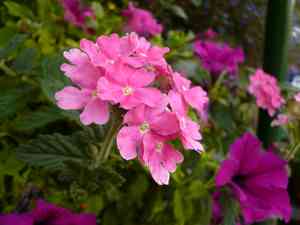
Mint vervain (Verbena menthifolia)
Also known as: Mint-leaved Verbena
Mint vervain is a hardy perennial that thrives in full sun to partial shade, ideally receiving around 6 hours of sunlight each day. It prefers well-drained soil with a pH ranging from 6.0 to 7.0. The plant features aromatic, pointed leaves and produces vibrant purple flowers that attract pollinators such as butterflies. It is drought-tolerant and works well as a ground cover or garden accent, making it a versatile addition to various garden settings. Regular watering is essential, particularly during dry periods, to keep the soil consistently moist but not waterlogged.
In This Article
Attributes of Mint vervain
Lifespan
Perennial
Plant Type
Herb
Plant Height
30-70 cm
Spread
N/A
Leaf Color
Green
Flower Size
1-2 mm
Flower Color
Lavender to Purple
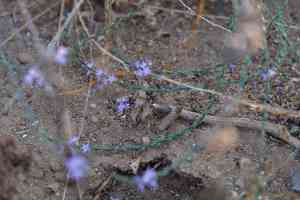
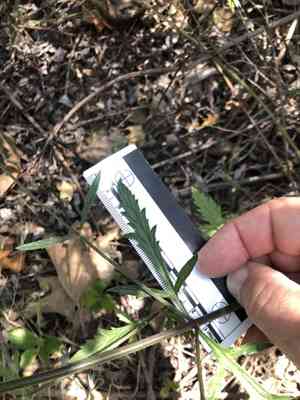
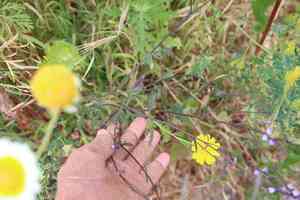
Images of Mint vervain
Quickly Identify Mint vervain
1
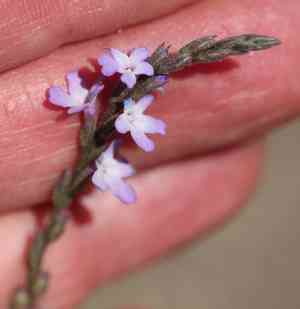
This plant can be identified by its mint-like leaves, which are ovate to oblong with serrated edges. During the blooming season, it produces small, lavender to purple flowers arranged in spike-like clusters.
Scientific Classification of Mint vervain
Phylum
Vascular plants
Class
Dicotyledons
Order
Lamiales
Family
Verbena
Genus
Vervains
Species
Mint vervain
Planting and Growing of Mint vervain
Care Difficulty
Easy
Watering Schedule
Every 3 days
Sunlight Requirements
Full sun
Sunshine Duration
6-10 hours
Ideal Temperature
65-75℉
Soil Type
Potting Mix, Peat Mix
Soil pH
6.5-7.5
Fertilizer Type
Balanced
Pruning Season
Spring, Summer
Pruning Area
Branches, Leaves
Pruning Frequency
2 times a year
Repotting Season
Spring
Pot Type
Plastic, Terracotta
 How to Water Mint vervain?
Verbena menthifolia thrives best when its soil is kept consistently moist but not waterlogged. It’s important to water the plant so that the top 1 to 2 inches of soil feels damp to the touch, which typically translates to around 250 milliliters per watering session. Ensure the water penetrates deeply into the soil to nourish the roots effectively, avoiding surface watering which can lead to root dryness.
What are the symptoms of an underwatered Mint vervain?
›
What should I do if my Mint vervain is not getting enough water?
›
What are the symptoms of an overwatered Mint vervain?
›
How to save an overwatered Mint vervain?
›
 What Are the Sunlight Requirements for Mint vervain?
Verbena menthifolia thrives in full sunlight, benefiting from a consistent daily range of 6 to 8 hours, which is ideal for robust growth and flowering.
Solution
›
Specific Measures
›
Achieved Effects
›
 What Is the Ideal Temperature Range for Mint vervain?
The ideal temperature range for growing Verbena menthifolia is between 65°F and 75°F. Within this range, the plant can perform optimal photosynthesis and exhibit healthy growth. During this temperature zone, Verbena menthifolia typically shows vigorous growth with vibrant foliage and increased flowering potential. Maintaining this range can help minimize stress and maximize the plant's health and aesthetic appearance.
 What Soil is Best for Mint vervain?
Verbena menthifolia thrives in well-drained soils that prevent waterlogging and ensure the roots receive adequate air. This helps to avoid root rot and supports robust plant health. The plant prefers soils rich in essential nutrients. A nutrient-rich environment promotes lush growth and vibrant blooming. While not overly demanding, Verbena menthifolia benefits from moderate organic matter to improve soil texture, water retention, and overall fertility.
 How to Fertilize Mint vervain?
For Verbena menthifolia, apply liquid fertilizer at a concentration of 1/2 teaspoon per gallon of water. For slow-release fertilizer, utilize 1/4 cup per plant per application to ensure balanced nutrition without overwhelming the roots.
 How to Prune Mint vervain?
Start by removing any dead or damaged stems, which helps improve air circulation and promotes healthier growth. Trim the plant back by about one-third to help shape it. Throughout the summer, pinch off spent blooms to encourage further blooming and prevent seed formation. This will keep the Verbena menthifolia looking vibrant and healthy. In late Summer, perform a light trim to tidy up the plant and remove any remaining blooms. This helps prepare the plant for dormancy in colder months.
More About Pruning Techniques→
 How to Propagate Mint vervain plant?
1
Collect seeds from mature Verbena menthifolia plants. Clean and dry the seeds before planting to ensure higher germination rates and to prevent mold development.
2
For cutting propagation, choose healthy stems with no flowers and cut 4–6 inches long sections. Remove lower leaves and dip the cut end in rooting hormone if desired to improve rooting success.
3
To propagate by division, dig up a mature Verbena menthifolia plant during early spring. Carefully separate the root clumps ensuring each section has roots and top growth, then replant immediately.
 How to Repot Mint vervain plant?
1
Look for signs like roots coming out of the drainage holes, slowed growth, or the plant becoming top-heavy. These indicate it's time for Verbena menthifolia to find a new home where its roots have room to breathe and grow.
2
Choose a pot that is one size larger than the current one, with good drainage. A slightly larger pot allows for root growth but prevents excessive water retention, promoting healthy plant development.
3
Opt for a well-draining potting mix with components like peat, perlite, and sand. This mixture ensures that excess water drains away efficiently, reducing the risk of root rot and providing ample aeration for healthy root growth.
Learn More About Mint vervain Diseases
Anthracnose
Bacterial Leaf Spot
Bacterial Soft Rot
Bacterial Wilt
Black Spot
Chemical Injury
Crown Gall
Cyst Nematode
Damping-off
Downy Mildew
Drought Stress
Fusarium Wilt
Gray Mold
Leaf Curl
Leaf Spot
Mosaic
Nutrient Deficiency
Nutrient Toxicity
Powdery Mildew
Root Rot
Root-knot Nematode
Rusts
Sooty Mold
Spider Mites
Temperature Stress
Thrips Damage
White Mold



