How to Transplant Chilean guava?
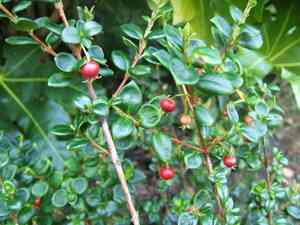
Chilean guava thrives when relocated in mid-spring to early summer, taking advantage of moderate warmth and significant development prospects. Select a bright, adequately drained location for the best outcome. Be sure to carefully manage the root system to lessen the impact of transplant stress.
What Preparations are Needed Before Transplanting Chilean Guava?
What is the Ideal Time for Transplanting Chilean Guava?
Chilean guava, a perennial plant, thrives best when transplanted during mid to late spring or early summer. These periods offer optimal soil warmth and moisture, allowing robust root establishment. Transplanting chilean guava at this time ensures strong growth, better resistance to stress, and a healthier, more productive plant.
How Much Space Should You Leave Between Chilean Guava Plants?
When transplanting chilean guava, space your plants about 3-4 feet (0.9-1.2 meters) apart to give them plenty of room to grow and ensure proper air circulation. This spacing will help avoid overcrowding and promote healthy development.
What is the Best Soil Mix for Chilean Guava Transplanting?
Prepare the soil for chilean guava by ensuring it is well-draining and slightly acidic. Mix in some organic matter like compost or aged manure into the soil, and consider adding a slow-release, balanced fertilizer to give your plants a good start.
Where Should You Relocate Your Chilean Guava?
Choose a sunny location for chilean guava with at least 6-8 hours of sunlight per day. Adequate sunlight is crucial for proper growth and fruit development. Avoid spots with strong wind exposure to protect the delicate branches.
What Equipments Should You Prepare Before Transplantation Chilean Guava?
Gardening Gloves
To protect your hands while working with the soil and plant.
Spade or Shovel
To dig the hole for transplanting and to remove the plant from its original location.
Watering Can or Hose
To water the plant before and after transplanting.
Pruners
To trim any damaged roots or branches.
Wheelbarrow or Carrying Tray
To transport the plant from its original location to the new site.
How Do You Remove Chilean Guava from the Soil?
How Do You Remove Chilean Guava from the Soil?
From Ground: First, water the chilean guava plant to dampen the soil. Then, dig a wide trench around the plant using a shovel or spade, ensuring the plant's root ball remains intact. Carefully work the spade under the root ball to lift the plant from its original location.From Pot: Gently tap the sides of the pot to loosen the soil. Hold the base of the plant and tip the pot upside down, letting the plant slide out. Avoid pulling the plant by the stems to prevent damage.From Seedling Tray: Use a small tool, such as a butter knife or a stick, to carefully lift the seedling from the tray. Be gentle to avoid disturbing the young roots.
Step-by-Step Guide for Transplanting Chilean Guava
Site Selection
Choose a location with appropriate sunlight and space for your chilean guava plant to grow to its mature size.
Prepare the Hole
Dig a hole that is twice as wide and the same depth as the root ball of the chilean guava plant.
Acclimatize the Plant
If the plant was originally in a pot or seedling tray, allow it to acclimatize to the outdoor conditions by placing it in the shade for a few days before transplanting.
Transplanting
Place the chilean guava plant into the hole, ensuring the top of the root ball is level with the ground surface. Fill in the hole with soil, gently pressing it down to remove air pockets.
Watering
Water the plant thoroughly after planting to help settle the soil around the roots.
Mulching
Apply a layer of mulch around the base of the plant to retain moisture and regulate soil temperature.
How Do You Care For Chilean Guava After Transplanting?
Watering
Keep the soil around the chilean guava consistently moist, but not soggy, for the first few weeks after transplanting to help establish strong roots.
Monitoring
Check the plant regularly for signs of stress, such as wilting or yellowing leaves, and adjust care accordingly.
Pruning
Trim any damaged or dead branches to encourage healthy growth.
Fertilization
Once the plant has established, consider applying a balanced fertilizer to support continued growth.
Troubleshooting Common Issues with Chilean Guava Transplantation.
When is the best time to transplant chilean guava?
The ideal time is mid to late spring or early summer for optimal growth.
How much space should I leave between each chilean guava plant?
Ensure 3-4 feet (90-120 cm) of space between each plant to encourage healthy growth.
What should the soil condition be for transplanting chilean guava?
The soil should be well-draining, slightly acidic, and rich in organic matter.
How deep should I plant chilean guava?
Plant chilean guava at the same depth it was in its original container to avoid root shock.
How do I handle the roots during transplanting chilean guava?
Gently tease the roots to encourage spreading, but avoid damaging them for optimal health.
Should I water chilean guava immediately after transplanting?
Yes, water thoroughly to help the roots settle and reduce transplant shock.
What temperature is best for transplanting chilean guava?
Temperatures should be moderate, between 60-75°F (15-24°C) for successful transplanting.
How much sunlight does chilean guava need after transplanting?
Chilean guava prefers partial to full sunlight, ideally 6-8 hours of sun daily.
Should I fertilize chilean guava after transplanting?
Lightly fertilize with a balanced, slow-release fertilizer to support initial growth.
How can I protect chilean guava from transplant shock?
Provide adequate water, proper spacing, and mulch around the base to maintain moisture levels.



