How to Propagate Chilean guava?
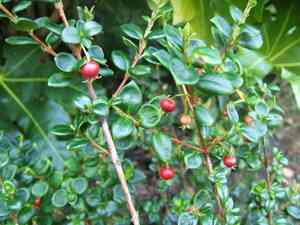
Ugni molinae, a compact evergreen bush, is prized for its fragrant and palatable fruit. This species flourishes in adequately draining soil enriched with organic material and favors partial to complete sun exposure. For propagation, collect semi-hardwood cuttings approximately 5-10 cm in length, harvested in the morning when the plant is well-hydrated. Submerge the cuttings in rooting compound prior to embedding them in a blend of sand and potting medium. Ensure continuous dampness until root systems emerge.
Optimal Time for Chilean Guava Propagation
Propagation Method
Cutting
Propagation Period
Spring,Summer
Tools for Chilean Guava Propagation
Sharp Pruning Shears
These are vital for obtaining cuttings from chilean guava. The shears must be sharp to make clean cuts, minimizing harm to the parent plant and aiding efficient root development in the cuttings.
Rooting Hormone
This substance is applied to stimulate root growth on chilean guava cuttings. Using rooting hormone on the cut ends can significantly boost the likelihood of successful root formation.
Propagation Trays or Pots
These containers are necessary for planting the cuttings. Trays or pots should offer good drainage to prevent waterlogging while allowing roots to expand and grow. They create a controlled setting for early growth.
Misting Spray Bottle
This tool helps maintain appropriate humidity levels around the cuttings. High humidity reduces water stress and keeps chilean guava cuttings hydrated until their own root systems develop.
Heated Propagation Mat
Since chilean guava benefits from slightly warmer soil, a heated propagation mat placed beneath the trays can provide consistent bottom heat, promoting faster root development.
Transparent Humidity Dome
A humidity dome can be placed over propagation trays to maintain high humidity. This is crucial during the initial stages after taking chilean guava cuttings.
Sterile Potting Mix
A well-draining potting mix is essential for planting cuttings. It offers a clean environment, reducing the risk of disease and pests, which is vital for healthy chilean guava growth.
Sharp Knife or Scalpel
For preparing cuttings, a sharp knife or scalpel can be used for precise trimming and cuts. This is especially important to avoid crushing the plant tissues of chilean guava.
How to Propagate Chilean Guava?
Propagation Difficulty
Moderately Difficult
Caring for Your Newly Propagated Chilean Guava
Caring for Your Newly Propagated Chilean Guava?
Post-propagation, ensure chilean guava receives sufficient water, especially during dry spells, but avoid overwatering. Position it in an area with partial shade to full sun and shield it from severe frost. Regularly inspect for pests and diseases, and prune as needed to maintain its shape and encourage denser growth. Fertilize with a balanced, slow-release fertilizer during the growing season to enhance health and productivity.
Common Mistakes to Avoid When Propagating Chilean Guava
Incorrect Soil Composition
Using soil that is too dense or poorly drained can lead to waterlogging and root rot, impeding the plant's ability to flourish.
Overwatering
Excessive watering can suffocate roots and encourage fungal infections, which are harmful to young and developing plants.
Insufficient Light
Failure to provide adequate light can result in weak, spindly growth and poor health of the propagated plants.
Improper Cutting Technique
Taking cuttings incorrectly or during the wrong growth phase can lower the success rate of propagation.
Neglecting Humidity
Ignoring the need for a humid environment during initial stages can lead to desiccation and failure to root.
Tips For Propagating Chilean Guava
Use Well-Draining Soil
Ensure the soil mix drains well to prevent root rot and promote healthy root development.
Moderate Watering
Water cuttings moderately, allowing the soil to dry slightly between waterings to avoid waterlogged conditions.
Provide Adequate Light
Place cuttings in a bright area with indirect sunlight to encourage strong, healthy growth.
Take Healthy Cuttings
Select and cut healthy, non-flowering branches to improve the chances of successful rooting.
Maintain High Humidity
Keep cuttings in a humid environment, such as under a plastic cover or mist frequently, to prevent drying out and aid root development.



