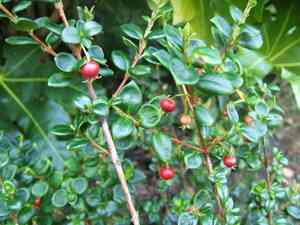
Chilean guava (Ugni molinae)
Also known as: Chilean Guava, Strawberry Myrtle
The Chilean guava, or Ugni molinae, is an evergreen shrub originating from Chile and Argentina. It features aromatic foliage and bell-shaped flowers that are typically white or pale pink. This plant thrives in temperate regions with well-drained soil and produces edible, dark crimson berries. Hardy and resilient, it often grows well when sheltered from extreme conditions, making it suitable for growth under tree canopies or in sunny, protected areas.
In This Article
Attributes of Chilean guava
Lifespan
Perennial
Plant Type
Shrub
Plant Height
1.5 m
Spread
1 m
Leaf Color
Green Pink Variegated Cream
Flower Size
Less than 1 inch (2.5 cm)
Flower Color
White Pink
Images of Chilean guava
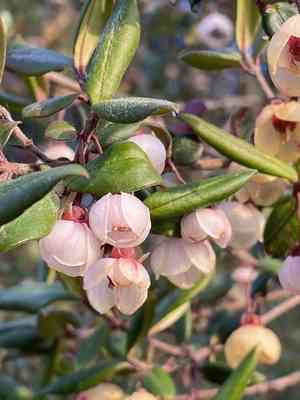
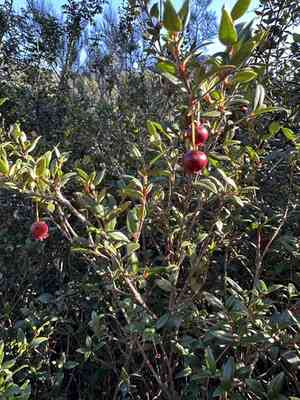

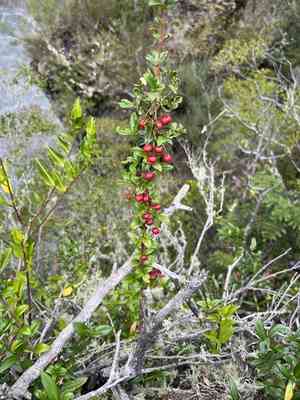
Quickly Identify Chilean guava
1
Ugni molinae can be identified by its small evergreen leaves, white or pale pink, bell-shaped flowers, and small, round, red to purple berries. The leaves are shiny and mildly aromatic when crushed.
Scientific Classification of Chilean guava
Phylum
Vascular plants
Class
Dicotyledons
Order
Myrtales
Family
Myrtle
Genus
Uñi
Species
Chilean guava
Planting and Growing of Chilean guava
Care Difficulty
Moderate
Watering Schedule
Every 8 days
Sunlight Requirements
Full sun
Sunshine Duration
6-10 hours
Ideal Temperature
60-75℉
Soil Type
Potting Mix, Peat Mix
Soil pH
5.5-7
Fertilizer Type
Balanced
Pruning Season
Spring, Summer
Pruning Area
Branches, Leaves
Pruning Frequency
2 times a year
Repotting Season
Spring
Pot Type
Plastic, Ceramic
 How to Water Chilean guava?
Ugni molinae appreciates consistent moisture, ensuring the soil is well-drenched without becoming waterlogged. Ideally, each watering session should aim for about 300ml, applied slowly to allow proper absorption, ensuring the roots have sufficient moisture access.
What are the symptoms of an underwatered Chilean guava?
›
What should I do if my Chilean guava is not getting enough water?
›
What are the symptoms of an overwatered Chilean guava?
›
How to save an overwatered Chilean guava?
›
 What Are the Sunlight Requirements for Chilean guava?
Ugni molinae thrives best in environments with full to partial sun. This light exposure fosters robust foliage and abundant fruiting, enhancing its ornamental and productive qualities.
How much light does Ugni molinae need?
›
What are the solutions to achieve ideal light?
›
What are the benefits of ideal lighting?
›
 What Is the Ideal Temperature Range for Chilean guava?
The ideal temperature range for Ugni molinae, commonly known as Chilean Guava, is between 60°F and 75°F. This range allows the plant to thrive, promoting optimal growth, flowering, and fruit production. Maintaining the plant within this temperature range is crucial for its overall health and vitality, ensuring that it can develop its characteristic berries that are both flavorful and aromatic.
 What Soil is Best for Chilean guava?
Ugni molinae prefers soil that retains moisture well without becoming waterlogged. This helps support consistent hydration, essential for berry production, and prevents root desiccation during dry periods. Rich, well-aerated soil provides abundant nutrients for growth. A balanced supply of essential minerals promotes vibrant foliage and optimal berry yield, enhancing overall plant health. Well-drained soil prevents excess water accumulation and root rot. This ensures the roots are well-oxygenated, promoting healthy plant development and avoiding common water-related stress.
 How to Fertilize Chilean guava?
When fertilizing Ugni molinae, use a balanced liquid fertilizer. Apply 1 tablespoon per gallon of water, ensuring the soil remains moist but not saturated. Proper measurement helps avoid any potential root burn while ensuring optimal nutrient delivery.
 How to Prune Chilean guava?
Begin by examining the plant for any dead, diseased, or damaged branches. These can usually be identified by their brown or brittle appearance. Carefully snip these away to improve the overall health of the plant. To shape Ugni molinae, focus on maintaining an open center. This helps in maximizing sunlight exposure to all parts of the plant. Trim back any branches that cross over or tangle up with others. After shaping, look for any weak or thin branches and cut them back to a bud facing outward. This encourages the plant to focus its energy on producing new, robust growth from stronger parts.
More About Pruning Techniques→
 How to Propagate Chilean guava plant?
1
Select a healthy branch from the parent plant. Use pruning shears to take a 4-6 inch cutting, ensuring it includes a few leaves. Remove any lower leaves to expose the node.
2
Dip the cut end of the cutting into rooting hormone. This step is optional but can increase the chances of successful root development.
3
Insert the hormone-treated cutting into a pot filled with well-draining potting soil. Water lightly and cover with a plastic bag to create a humid environment.
 How to Repot Chilean guava plant?
1
Ugni molinae suggests that it's time for a new home when roots begin to circle the pot or sprout from the drainage holes. If you notice that the soil dries out rapidly after watering or if the plant's growth appears stunted, these are strong indicators that repotting is needed to refresh the soil and give it room to grow.
2
Select a pot that's about 1-2 inches larger in diameter than the current one. A pot that's too large may lead to water retention, risking root rot. Make sure it has drainage holes to allow excess water to escape, keeping the plant's roots healthy and well-aerated.
3
Ugni molinae thrives in acidic conditions, so choose a well-draining mix that's rich in organic matter, like a blend of peat and sand. Such a mix retains necessary moisture but prevents waterlogging, supplying the plant with essential nutrients while allowing its roots to breathe.
Learn More About Chilean guava Diseases
Anthracnose
Bacterial Leaf Spot
Bacterial Soft Rot
Bacterial Wilt
Crown Gall
Cyst Nematode
Damping-off
Downy Mildew
Drought Stress
Fusarium Wilt
Gray Mold
Leaf Curl
Leaf Spot
Mosaic
Nutrient Deficiency
Nutrient Toxicity
Powdery Mildew
Root Rot
Root-knot Nematode
Rusts
Sooty Mold
Spider Mites
Temperature Stress
Thrips Damage
White Mold



