How to Transplant American threefold?
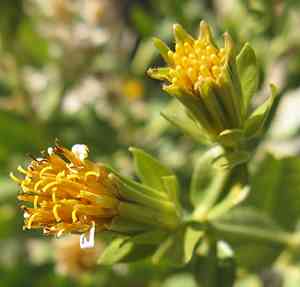
Relocate american threefold once temperatures rise and vegetation reactivates, generally between the latter part of spring and the initial phase of summer. Select a location receiving ample sunlight and possessing good drainage. Should american threefold seem compressed, gently assist its root system in establishing itself in the fresh environment.
What Preparations are Needed Before Transplanting American Threefold?
What is the Ideal Time for Transplanting American Threefold?
The perfect period to move american threefold is from the refreshing late spring to the gentle beginning of early summer. Relocating american threefold at this time takes advantage of mild temperatures and stable weather, promoting strong root development before the intense heat of midsummer arrives. With soil temperatures favorable for growth and the expectation of summer rains, american threefold can flourish with plenty of time to adjust, ensuring a healthy transition to its new spot. This timing also aligns with the plant's natural growth cycle, which can lead to vigorous recovery and abundant foliage for the coming seasons. Embrace this transplant window, and observe american threefold thrive in its new environment.
How Much Space Should You Leave Between American Threefold Plants?
When you're ready to transplant your american threefold, ensure they have ample room to grow! A spacing of 18-24 inches (45-60 cm) will be highly beneficial, allowing their roots to spread effectively and the plants to prosper without competition.
What is the Best Soil Mix for American Threefold Transplanting?
Before planting american threefold, prepare a well-draining soil blend with some compost or a balanced, slow-release fertilizer. This preparation provides your american threefold with the ideal foundation to establish their new home!
Where Should You Relocate Your American Threefold?
Your american threefold loves sunlight! Choose a spot that receives full sun, ensuring these beautiful plants get at least 6-8 hours of direct sunlight daily. A bright location will help them grow robust and healthy!
What Equipments Should You Prepare Before Transplantation American Threefold?
Gardening Gloves
To safeguard your hands while handling soil and plants.
Shovel or Spade
For excavating the plant and creating a new hole.
Garden Trowel
Used for detailed work around the roots and for planting in the new site.
Wheelbarrow or Plant Dolly
To safely move the plant from one place to another.
Pruning Shears
To trim any damaged or excessively long roots.
Watering Can or Hose
To hydrate the plant before and after relocation.
Garden Fork
To loosen the soil around the plant's original position.
How Do You Remove American Threefold from the Soil?
How Do You Remove American Threefold from the Soil?
From Ground: Water the american threefold thoroughly to moisten the soil. Use a shovel or spade to dig a wide circle around the plant, being careful not to harm the root ball. Gently pry beneath the root ball and lift the plant out of the ground.From Pot: Begin by watering the american threefold to help the root ball slide out of the pot more easily. Tilt the pot sideways and tap the bottom to loosen the plant. Carefully pull the plant by its base, supporting the root ball as you extract it.From Seedling Tray: Moisten the soil in the tray to assist the roots in sliding out. Use a garden trowel or a spoon to scoop out each american threefold seedling, ensuring you retrieve as much of the root system as possible.
Step-by-Step Guide for Transplanting American Threefold
Preparation
Understand the size of the american threefold's root ball to determine the dimensions of the new planting hole. Clear the new planting area of weeds and debris.
Digging The Hole
Excavate a hole in the ground that is twice as wide and equally deep as the root ball of the american threefold.
Placing The Plant
Carefully position the american threefold into the hole, ensuring that the top of the root ball is level with the soil surface.
Refilling The Hole
Backfill the hole with the removed soil, gently compacting the soil as you fill to eliminate air pockets.
Watering
Water the newly planted american threefold generously immediately after planting to settle the soil around the roots.
Mulching
Apply a layer of mulch around the base of the american threefold to help retain soil moisture and regulate soil temperature.
How Do You Care For American Threefold After Transplanting?
Stabilization
Utilize stakes or plant supports if the american threefold is tall or appears unstable following transplantation.
Watering
Water the american threefold deeply and consistently during the initial growing season to aid establishment, but be careful not to overwater.
Pruning
Trim any broken or damaged stems and leaves to reduce stress on the american threefold and encourage new growth.
Monitoring
Observe the american threefold for indications of transplant shock, which may include wilting, yellowing, or leaf drop, and take appropriate action if necessary.
Troubleshooting Common Issues with American Threefold Transplantation.
When is the best time to transplant american threefold?
Relocate american threefold during late spring or at the start of summer for optimal establishment.
How far apart should I space american threefold when transplanting?
Allow 18-24 inches (45-60 cm) between american threefold to ensure sufficient growth room.
What should I do if american threefold wilts after transplanting?
Provide shade and increase watering. Ensure the soil remains moist, but not waterlogged.
How deep should I dig the hole for transplanting american threefold?
Dig a hole twice as wide as the root ball, and of the same depth, to promote growth.
Can I transplant american threefold during a hot day?
It's preferable to transplant american threefold on a cooler, overcast day to minimize transplant shock.
What is the ideal soil type for transplanting american threefold?
Use well-drained, fertile soil with a good blend of organic matter for american threefold.
How much should I water american threefold after transplanting?
Water thoroughly after transplanting and maintain consistent moisture in the subsequent weeks.
Why are the leaves of american threefold yellowing after transplanting?
Yellowing may indicate over-watering or a nutrient deficiency. Adjust watering and consider soil testing.
How can I protect american threefold from pests after transplanting?
Monitor regularly for pests. Use organic pesticides if needed, being mindful of the american threefold's vulnerability.
Is it necessary to fertilize american threefold after transplanting?
Wait a few weeks before fertilizing to allow american threefold to establish. Then use a balanced fertilizer.



