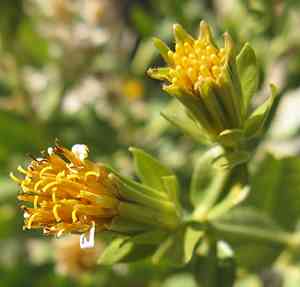
American threefold (Trixis californica)
Also known as: California trixis
The American threefold (Trixis californica) is a flowering shrub native to the southwestern United States, including regions like California, Arizona, New Mexico, and Texas, as well as northern Mexico. It thrives in desert environments and can be found at elevations up to approximately 5,000 feet (1,524 meters). Although it primarily blooms from winter to fall, it has the potential to flower throughout the year if conditions permit.
In This Article
Attributes of American threefold
Lifespan
Perennial
Plant Type
Shrub
Plant Height
30 cm to 91 cm
Spread
30 cm to 60 cm
Leaf Color
Green
Flower Size
6 mm to 9 mm
Flower Color
Yellow
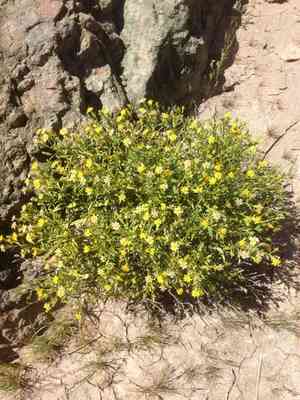
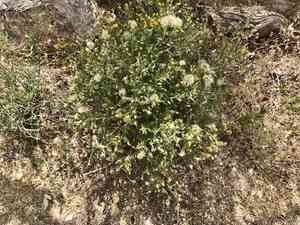
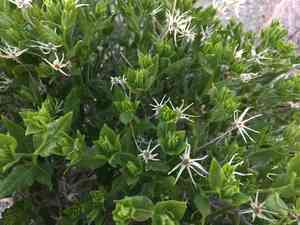
Images of American threefold
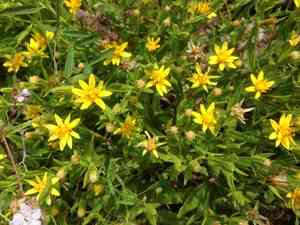
Quickly Identify American threefold
1
The plant can be identified by its green lanceolate leaves, yellow flower heads that are arranged in loose clusters, and its growth habit as a shrub or subshrub. The leaves are alternate and can be somewhat hairy.
Scientific Classification of American threefold
Phylum
Vascular plants
Class
Dicotyledons
Order
Asterales
Family
Daisy
Genus
Threefolds
Species
American threefold
Planting and Growing of American threefold
Care Difficulty
Easy
Watering Schedule
Every 2 days
Sunlight Requirements
Full sun
Sunshine Duration
6-10 hours
Ideal Temperature
68-86℉
Soil Type
Potting Mix, Peat Mix
Soil pH
6.5-7.5
Fertilizer Type
Balanced
Pruning Season
Spring, Summer
Pruning Area
Branches, Leaves
Pruning Frequency
2 times a year
Repotting Season
Spring
Pot Type
Terracotta, Plastic
 How to Water American threefold?
Trixis californica prefers a moderate amount of water, ensuring the soil remains barely moist without becoming soggy. Water until the soil feels slightly damp to touch but avoid any pooling. This helps replicate its natural arid conditions by providing just enough moisture without risking root rot.
What are the symptoms of an underwatered American threefold?
›
What should I do if my American threefold is not getting enough water?
›
What are the symptoms of an overwatered American threefold?
›
How to save an overwatered American threefold?
›
 What Are the Sunlight Requirements for American threefold?
Trixis californica is best suited for full sun to partial sun environments. Providing this ideal range ensures strong growth and increased resilience against pests and diseases.
How much light does Trixis californica need?
›
What solutions are there for ideal sunlight?
›
What benefits from ideal lighting?
›
 What Is the Ideal Temperature Range for American threefold?
The Trixis californica thrives best within an ideal temperature range of 68°F to 86°F. This range allows for optimal photosynthesis and nutrient uptake, ensuring healthy growth and vibrant foliage.
 What Soil is Best for American threefold?
Trixis californica thrives in well-draining soils. Proper drainage prevents waterlogging, which can lead to root rot. Well-drained soil mimics its natural habitat, promoting healthy root development and robust growth. This plant does not require overly rich soils; moderate nutrient levels are sufficient. Providing a balanced diet helps the plant produce vibrant foliage and flowers without excessive growth that may weaken the structure. While Trixis californica can tolerate a range of pH levels, it naturally prefers slightly alkaline conditions. This pH range promotes optimal nutrient absorption, enhancing its overall vigor and resilience to environmental stressors.
 How to Fertilize American threefold?
For Trixis californica, use a balanced formula such as 10-10-10. When applying liquid fertilizer, dilute it to half the recommended strength to prevent root burn. For slow-release fertilizers, distribute an even layer of granules around the base of the plant. Use approximately one tablespoon per square foot for young plants and adjust based on plant growth.
 How to Prune American threefold?
Begin by using clean, sharp pruning shears to make cleaner cuts. Start with dead or broken branches, removing them completely to facilitate air circulation. Trim back any overgrown stems by cutting just above a node to encourage branching. Remember to step back occasionally to ensure you're maintaining the plant's natural shape. Regularly sanitizing your tools between cuts can prevent the spread of disease.
More About Pruning Techniques→
 How to Propagate American threefold plant?
1
Before planting, soak the seeds of Trixis californica in water for 24 hours to facilitate germination. This step helps to soften the outer seed coat, improving water absorption.
2
Select a healthy parent plant and take 4-6 inch cuttings from a non-flowering shoot. Remove the bottom leaves and dip the cut end in rooting hormone to encourage root development.
3
For division propagation, carefully dig up the parent plant and separate interconnected clumps. Each division should have adequate roots and at least one healthy shoot.
 How to Repot American threefold plant?
1
Trixis californica benefits from repotting in spring when it is gearing up for growth. Look for signs such as roots protruding from drainage holes, a noticeable slowdown in growth, or a sudden need for more frequent watering indicating that the plant is root-bound.
2
Choose a pot that is one size larger than the current one with ample drainage holes. A slightly wider and deeper pot will provide space for the roots to grow while preventing waterlogging, which can lead to root rot. The material can be terracotta or ceramic for better breathability, or plastic if you need lighter containers.
3
Opt for a well-draining, sandy soil mix to accommodate Trixis californica's natural habitat. Adding perlite or pumice can enhance drainage further. The key is to prevent the soil from compacting, which ensures healthy aeration around the roots and reduces the risk of fungal diseases.
Learn More About American threefold Diseases
Anthracnose
Bacterial Leaf Spot
Bacterial Wilt
Black Spot
Chemical Injury
Crown Gall
Cyst Nematode
Damping-off
Downy Mildew
Drought Stress
Fusarium Wilt
Gray Mold
Leaf Curl
Leaf Spot
Mosaic
Nutrient Deficiency
Nutrient Toxicity
Powdery Mildew
Root Rot
Root-knot Nematode
Rusts
Sooty Mold
Spider Mites
Temperature Stress
Thrips Damage
White Mold



