How to Prune American threefold?
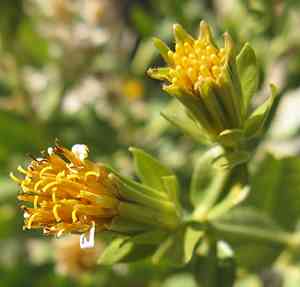
A hardy indigenous perennial, american threefold thrives with vivid, daisy-like blossoms. Trimming ought to concentrate on shaping and eliminating aged stalks to stimulate new development. The perfect time for pruning is from late winter to early spring, while the plant is dormant, just prior to the commencement of the new growth cycle. Deliberate cuts promote a sturdy framework and revitalize flowering. Trim judiciously to preserve its inherent shape, making sure to execute precise cuts to avert illness. Appropriate pruning of american threefold leads to a more vigorous, visually appealing specimen.
What Are the Benefits of Pruning American Threefold?
What Are the Benefits of Pruning American Threefold?
Trimming american threefold encourages robust development and maintains its desired form. Strategic cuts promote new growth and dense foliage, while managing plant size for aesthetic appeal and garden consistency.
What Is the Best Time for Pruning American Threefold?
What Is the Best Time for Pruning American Threefold?
Pruning american threefold in late winter before new growth emerges allows for the removal of damaged or old stems without impacting the upcoming bloom. This timing also fosters vigorous new growth in early spring. Pruning in early spring aids in shaping the plant and encourages lush foliage, as american threefold enters its active growth phase. This avoids cutting during flowering or fruiting periods, ensuring the plant's energy is directed towards healthy development and bloom production.
What Tools Do I Need to Prune American Threefold?
Hand pruners
Perfect for making clean cuts on american threefold's smaller stems and branches, hand pruners enable precise shaping and control. They should be sharp and bypass-type to ensure a clean cut that encourages healthy regrowth.
Loppers
Since american threefold can develop into a large shrub with thicker branches, loppers will allow you to cut through stems too thick for hand pruners but not thick enough for a saw. Typically, this tool is used for branches up to 1.5-2 inches in diameter.
Pruning saw
For mature american threefold that has developed thicker branches, a pruning saw is essential. This saw can handle larger branches that loppers cannot, making it a crucial tool for managing older or overgrown shrubs.
Hedge shears
If shaping hedges or creating a formal look for american threefold, hedge shears can help achieve a uniform finish. However, it's important not to over-prune or make deep cuts, as this can harm the plant.
Gardening gloves
To protect your hands from thorns and rough branches while pruning american threefold, wearing durable gardening gloves is recommended. This also helps maintain a good grip on your tools.
How to Prune American Threefold
Clean tools
Before pruning american threefold, ensure all pruning tools are clean to prevent disease spread. Sterilize shears, loppers, or saws with a solution of one part bleach to nine parts water.
Remove diseased
Identify and begin by removing any diseased leaves and branches from american threefold. Make careful cuts to excise these parts without harming healthy tissue.
Trim withered
After diseased parts are removed, trim away withered leaves to promote better air circulation and light penetration throughout american threefold.
Eliminate dead
Cut back any dead branches on american threefold, snipping at the point where they meet healthy stem tissue, taking care to make clean cuts that american threefold can heal rapidly from.
Thin branches
Finally, thin out overcrowded or crisscrossing branches of american threefold to maintain a good plant structure and allow for the healthy growth of remaining branches.
Common Pruning Mistakes with American Threefold
Over-pruning
Removing too much foliage at once can stress american threefold, leading to poor growth or even plant death. It's essential to prune no more than one-third of the plant during a single session.
Improper cuts
Making cuts in the wrong position can result in damage to american threefold. Cuts should be made at a 45-degree angle, above a leaf node or bud.
Using dull tools
Dull pruning tools can crush stems and branches, leading to disease and poor healing. Always use sharp, clean tools for a precise cut.
Pruning healthy growth
Removing healthy branches and foliage without reason can hinder american threefold's growth. Focus on dead, damaged, or diseased growth unless shaping is desired.
Neglecting tool sanitation
Failing to sanitize tools between plants can spread disease. Clean cuts with a 10% bleach solution or alcohol to prevent the spread of pathogens.
Common Pruning Tips for American Threefold
Selective thinning
Thin out overgrown areas to enhance light penetration and air circulation, which promotes healthy growth and flowering in american threefold.
Cutting technique
Use a clean, sharp tool to make precise cuts at a 45-degree angle, which promotes quicker healing and reduces the risk of disease.
Maintenance pruning
Regularly remove dead, diseased, or crossing branches to keep american threefold healthy and well-structured without the need for heavy pruning sessions.
Shape and size control
Carefully prune to maintain the desired shape and size while respecting american threefold's natural growth habit to avoid a 'chopped' appearance.
Post-flowering trimming
Pruning immediately after flowering allows american threefold to set buds for the next season and prevents cutting off potential blooms.



