How to Transplant Tapertip wakerobin?
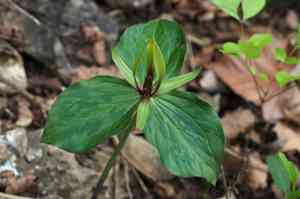
Tapertip wakerobin flourishes most effectively when relocated during the colder periods, specifically from late fall to early winter, owing to its reduced growth activity. For optimal establishment, select a site that offers full or partial shade and features soil with good drainage.
What Preparations are Needed Before Transplanting Tapertip Wakerobin?
What is the Ideal Time for Transplanting Tapertip Wakerobin?
Moving tapertip wakerobin in late autumn to early winter is optimal. This period allows the plant to establish its root system while dormant, reducing transplant shock. Advantages include enhanced root development before spring, improved hardiness, and better blooms in the coming season.
How Much Space Should You Leave Between Tapertip Wakerobin Plants?
Ensure tapertip wakerobin are spaced approximately 1-2 feet (30-60 cm) apart. This distance provides ample room for individual plant growth without crowding and promotes better air circulation, lowering disease risk.
What is the Best Soil Mix for Tapertip Wakerobin Transplanting?
Prepare the soil before relocating tapertip wakerobin by using a well-draining, humus-rich mixture. Incorporating compost or a balanced (10-10-10) base fertilizer will supply essential nutrients for robust growth. Aim for a pH range of slightly acidic to neutral (5.5-7).
Where Should You Relocate Your Tapertip Wakerobin?
Replant tapertip wakerobin in an area that receives partial to full shade. This species thrives beneath tree canopies or in spots with filtered sunlight throughout the day, mimicking its natural forest environment.
What Equipments Should You Prepare Before Transplantation Tapertip Wakerobin?
Gardening Gloves
To safeguard your hands while handling soil and the plant.
Spade or Shovel
For digging around and lifting the plant from its original spot.
Trowel
Used for precise digging and replanting tasks.
Watering Can or Hose
To hydrate the plant both before and after its relocation.
Bucket
For moving the plant if necessary.
Mulch
To aid in moisture retention around the newly transplanted specimen.
How Do You Remove Tapertip Wakerobin from the Soil?
How Do You Remove Tapertip Wakerobin from the Soil?
From Ground: First, moisten the soil around the tapertip wakerobin plant. Next, use a shovel or spade to dig a wide trench around the plant, ensuring the root ball remains intact. Carefully work the spade beneath the root ball to lift the plant from its initial position.From Pot: Thoroughly water the tapertip wakerobin plant to keep the soil cohesive. Gently invert the pot and tap its sides to loosen the soil. Carefully slide the plant out, supporting its base and root ball.From Seedling Tray: Water the seedlings to help the soil hold together. Gently press the bottom of the tray cells to push the seedlings upward, or use a small tool like a pencil to loosen the soil and lift the seedling by its leaves, not the stem.
Step-by-Step Guide for Transplanting Tapertip Wakerobin
Site Preparation
Select an appropriate location based on prior spacing, soil type, and light needs. Clear the area of weeds and debris.
Digging the Hole
Excavate a hole that is twice the width and the same depth as the tapertip wakerobin plant's root ball.
Removing the Plant
Refer to the extraction method based on the tapertip wakerobin plant's original placement.
Placing the Plant
Position the tapertip wakerobin plant in the center of the hole. Ensure the top of the root ball is flush with the surrounding soil level.
Backfilling
Gently refill the hole with soil, pressing lightly to remove air pockets without overly compacting the soil.
Watering
Water the plant thoroughly immediately after replanting to settle the soil around its roots.
Mulching
Apply a layer of mulch around the base of the tapertip wakerobin plant to conserve moisture and stabilize soil temperature.
How Do You Care For Tapertip Wakerobin After Transplanting?
Watering
Keep the soil around the tapertip wakerobin consistently damp, but not waterlogged, for the initial weeks post-transplant to aid in root establishment.
Monitoring
Regularly inspect the plant for indications of stress, such as wilting or yellowing foliage, and adjust care as necessary.
Weeding
Maintain the surrounding area free of weeds to minimize competition for nutrients and water.
Protection
In extreme weather (excessive heat or cold), provide temporary shade or cover to help the tapertip wakerobin adapt to its new surroundings.
Troubleshooting Common Issues with Tapertip Wakerobin Transplantation.
When is the ideal time to transplant tapertip wakerobin?
Relocate tapertip wakerobin from late fall to mid-winter for optimal outcomes.
What is the recommended spacing for transplanting tapertip wakerobin?
Space each tapertip wakerobin plant 1-2 feet (30-60 cm) apart for robust development.
How deep should I plant tapertip wakerobin bulbs?
Bury tapertip wakerobin bulbs 6-8 inches (15-20 cm) deep to encourage strong root growth.
How can I prepare the soil for tapertip wakerobin?
Ensure the soil is rich, well-drained, and slightly acidic for peak growth.
What should I do if tapertip wakerobin leaves start wilting after transplant?
Confirm the soil is consistently moist but not saturated to prevent wilting.
Can tapertip wakerobin tolerate direct sunlight?
Tapertip wakerobin prefers partial to full shade; avoid direct sun exposure to prevent leaf scorch.
How much water does tapertip wakerobin need after transplanting?
Water tapertip wakerobin thoroughly post-transplant and maintain consistent moisture thereafter.
Should I use fertilizer when transplanting tapertip wakerobin?
Apply a balanced, slow-release fertilizer to support tapertip wakerobin during its relocation.
What should I do to prevent root rot in tapertip wakerobin?
Ensure adequate drainage and avoid overwatering to prevent root rot in tapertip wakerobin.
How can I protect tapertip wakerobin from pests after transplant?
Utilize organic pest control methods like neem oil to safeguard tapertip wakerobin after transplanting.



