How to Prune Tapertip wakerobin?
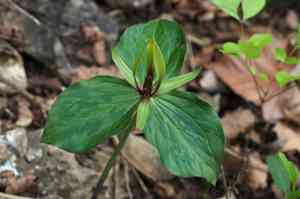
Distinguished by its unique three-petal blossoms and spiraled foliage, tapertip wakerobin flourishes with infrequent trimming. The most suitable periods for pruning are late winter and early spring, prior to the appearance of new shoots. Remove any impaired or lifeless leaves to foster robust development and preserve its form. Pruning improves air movement, lowering the chance of illness, and encourages abundant flowering. Always employ sanitized, keen implements to prevent the introduction of harmful agents. Consistent examination and minor trimming guarantee a sturdy, appealing specimen.
Advantages of Trimming Tapertip Wakerobin
Advantages of Trimming Tapertip Wakerobin
Trimming tapertip wakerobin helps maintain its size and form, encouraging strong development. It also assists in removing dead or damaged leaves, which can deter pests and diseases, keeping the plant healthy and attractive.
Optimal Time for Trimming Tapertip Wakerobin
Optimal Time for Trimming Tapertip Wakerobin
Trimming tapertip wakerobin in late winter to early spring is advised as this period coincides with the plant's dormant stage. Pruning during dormancy helps reduce stress and lowers the risk of disease or pest issues. Additionally, this timing allows tapertip wakerobin to focus its energy on vigorous new growth and flowering as the growing season begins. Early trimming also removes any dead or damaged parts before active growth starts, promoting overall plant health and vitality.
Tools Required for Trimming Tapertip Wakerobin
Bypass Pruners
Bypass pruners are perfect for tapertip wakerobin because they create clean cuts without crushing stems. This is especially crucial for preserving the health and appearance of tapertip wakerobin.
Precision Pruning Shears
These shears are ideal for removing spent blooms and dead foliage from tapertip wakerobin. Their smaller blades enable detailed work without harming nearby growth.
Snips
Snips are useful for delicate tasks like deadheading and trimming small stems or leaves. Their sharp blades ensure minimal damage to tapertip wakerobin.
How to Trim Tapertip Wakerobin
Inspect
Examine tapertip wakerobin closely to identify any diseased or withered leaves. Look for discoloration, spots, or signs of decay.
Disinfect
Before making any cuts, sanitize your pruning tools with a 70% isopropyl alcohol solution to prevent disease spread.
Remove Diseased Leaves
Carefully remove any identified diseased leaves by cutting them at the base with sharp, clean shears. Dispose of these leaves away from the garden to prevent contamination.
Remove Withered Leaves
Cut off any withered leaves by tracing back to where the leaf joins the main stem or rhizome. Make the cut clean and precise to avoid damaging the plant.
Check Regularly
Regularly inspect tapertip wakerobin throughout the growing season for new signs of disease or withering, and repeat the removal process as needed to maintain plant health.
Common Trimming Errors with Tapertip Wakerobin
Improper Technique
One of the most frequent errors is cutting too close to the main stem, which can damage the plant's vascular system. This mistake can impede nutrient flow and weaken tapertip wakerobin.
Excessive Pruning
Over-pruning can lead to stress and reduce the plant's ability to photosynthesize effectively. Removing too much foliage at once can be detrimental to tapertip wakerobin's overall health.
Incorrect Tool Selection
Using dull or inappropriate tools can crush or tear the plant tissues instead of making clean cuts. This increases the risk of disease and infection in tapertip wakerobin.
Ignoring Plant Health
Pruning without checking for disease or pest infestations can spread problems throughout tapertip wakerobin. Itâs essential to inspect and sanitize tools between cuts to prevent cross-contamination.
Random Pruning
Pruning without a clear plan can lead to an uneven shape and negatively impact the plant's natural form. Tapertip wakerobin requires a thoughtful approach to maintain its aesthetic appeal and health.
General Trimming Advice for Tapertip Wakerobin
Use Sharp Tools
Always use sharp, clean tools to make precise cuts. This minimizes damage and prevents the spread of disease, ensuring tapertip wakerobin remains healthy.
Prune Moderately
Limit pruning to only necessary areas. Focus on removing dead or damaged leaves and stems. Moderate pruning helps tapertip wakerobin maintain its structure and encourages robust growth.
Sanitize Tools
Regularly sanitize pruning tools, especially when moving between plants. This practice helps mitigate the spread of pathogens and keeps tapertip wakerobin thriving.
Understand Plant Structure
Familiarize yourself with tapertip wakerobinâs growth pattern to prune effectively. Knowing where to cut can enhance its natural shape and promote vigorous blooming.
Prune for Airflow
Ensure that pruning facilitates proper airflow within the plant. Good airflow prevents fungal growth and keeps tapertip wakerobin healthy. Trim inner foliage slightly to avoid congestion.



