How to Transplant Three-ribbed arrow-grass?
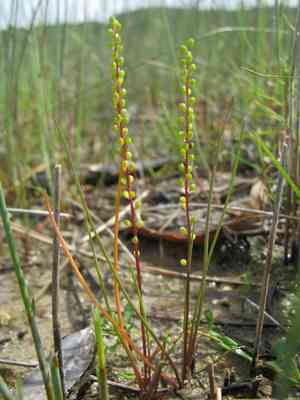
The optimal period for relocating three-ribbed arrow-grass extends from the refreshing onset of early spring through the gentle air of late spring. Select a well-drained, moisture-abundant location that mirrors its native environment. Careful handling guarantees three-ribbed arrow-grass flourishes after transplantation.
Essential Preparations Before Relocating Three-ribbed Arrow-grass?
Optimal Timing for Three-ribbed Arrow-grass Relocation?
The best time to move three-ribbed arrow-grass is from the start of growth in early to mid-spring. This period allows roots to establish before summer's heat. Transplanting three-ribbed arrow-grass during this window aligns with its natural growth cycle, promoting strong roots and successful establishment. A helpful hint: careful handling ensures a smooth transition for three-ribbed arrow-grass, leading to a lush, vibrant garden presence!
Required Spacing Between Three-ribbed Arrow-grass Plants?
When preparing a new spot for your three-ribbed arrow-grass, remember they appreciate personal space. Aim for a separation of about 6-12 inches (15-30 cm), providing ample room for their beautiful foliage to thrive.
Ideal Soil Blend for Three-ribbed Arrow-grass Transplanting?
To create the perfect bed for three-ribbed arrow-grass, prepare a well-draining soil mix, rich in organic matterâa comfortable environment for its roots. And, a small initial tip: incorporate a mild, balanced fertilizer to give your young plants a nourishing boost.
Where to Replant Your Three-ribbed Arrow-grass?
For your three-ribbed arrow-grass, select a sunny location in your garden where it will receive plenty of daylight. Some partial shade is also acceptable, but remember, like us, they enjoy basking in the sun's rays!
Necessary Tools for Three-ribbed Arrow-grass Transplantation?
Gardening Gloves
To safeguard your hands while handling soil and plants.
Shovel or Spade
For excavating the plant and preparing a new planting site.
Garden Fork
Useful for loosening soil and carefully lifting the root ball.
Watering Can or Hose
To hydrate the plant before and after its relocation.
Wheelbarrow
To move the three-ribbed arrow-grass and its soil without causing harm.
Pruning Shears
To remove any damaged roots or leaves prior to transplanting.
How to Extract Three-ribbed Arrow-grass from the Soil?
How to Extract Three-ribbed Arrow-grass from the Soil?
From Ground: Moisten the three-ribbed arrow-grass's soil. Use a shovel or spade to dig a wide circle around the plant, being careful not to harm the root ball. Gently work the shovel beneath the root ball, then lift it, using a garden fork if needed, to prevent root breakage.From Pot: Begin by watering the three-ribbed arrow-grass to soften the soil. Invert the pot and gently tap it to loosen the root ball. Support the plant with one hand and use the other to remove the pot. Carefully untangle any circling roots to avoid girdling.From Seedling Tray: Water the seedlings thoroughly before moving them. Use a spoon or small tool to carefully lift the plant, keeping a good amount of soil around the roots. Handle the plant by its leaves or root ball to prevent stem damage.
Step-by-Step Guide for Relocating Three-ribbed Arrow-grass
Preparation
Water your three-ribbed arrow-grass thoroughly before beginning the relocation process. This helps minimize shock and keeps the root ball intact.
Excavating the New Hole
Dig a hole in the desired location for the three-ribbed arrow-grass. The hole should be twice as wide as the root ball and of equal depth to allow roots to spread easily and adapt to their new environment.
Placement
Carefully position the three-ribbed arrow-grass in the center of the new hole. Ensure the top of the root ball is level with the surrounding soil surface.
Backfilling the Hole
Refill the hole with soil, gently tamping it down around the root ball to eliminate air pockets. This also ensures good contact between the roots and the soil.
Watering
Water the three-ribbed arrow-grass generously after planting to help settle the soil around the roots and provide essential hydration for post-transplant recovery.
Support
If the three-ribbed arrow-grass is tall or top-heavy, consider staking it to ensure it remains upright and stable as its roots establish in the new location.
Post-Transplant Care for Three-ribbed Arrow-grass?
Monitoring
Observe the plant for signs of transplant shock, such as wilting or leaf drop, and address any issues promptly.
Watering
The initial weeks after transplanting are crucial; ensure three-ribbed arrow-grass receives adequate moisture by watering deeply when the soil surface begins to dry slightly, but avoid waterlogging.
Mulching
Apply a layer of organic mulch around the three-ribbed arrow-grass to help retain soil moisture, regulate temperature, and reduce weed competition, keeping it away from the plant's stem.
Pruning
If any branches or leaves were damaged during the transplant, prune them to help three-ribbed arrow-grass direct its energy towards root establishment and new growth.
Resolving Common Issues with Three-ribbed Arrow-grass Transplantation.
When is the best time to transplant three-ribbed arrow-grass?
The ideal time for transplanting three-ribbed arrow-grass is during the period from bud break to young leaf emergence, typically in early to late spring.
What spacing is recommended for three-ribbed arrow-grass when transplanting?
Allow each three-ribbed arrow-grass ample space to flourish by planting them approximately 6-12 inches (15-30 cm) apart.
Why are the leaves of transplanted three-ribbed arrow-grass wilting?
Wilting after transplanting may indicate water stress. Ensure consistent moisture and consider providing shade if needed while three-ribbed arrow-grass acclimates.
How deep should three-ribbed arrow-grass root balls be planted?
Plant the root ball of three-ribbed arrow-grass at the same depth it was previously growing. Planting too deep can impede proper root development.
What soil conditions are favorable for three-ribbed arrow-grass after transplanting?
Well-draining soil rich in organic matter provides optimal conditions for three-ribbed arrow-grass to establish after transplanting.
How much should I water three-ribbed arrow-grass after transplanting?
After transplanting, water three-ribbed arrow-grass generously to settle the soil around its roots, then maintain consistent moisture without over-watering.
My transplanted three-ribbed arrow-grass appears droopy. What action should I take?
Droopiness in newly transplanted three-ribbed arrow-grass can signal transplant shock. Keep the soil consistently moist and shield it from intense sun.
Should I fertilize three-ribbed arrow-grass immediately after transplanting?
Wait until three-ribbed arrow-grass shows signs of new growth before applying fertilizer, to prevent damage to tender roots.
Can three-ribbed arrow-grass be transplanted on cloudy days?
Overcast days are perfect for transplanting three-ribbed arrow-grass as they minimize water loss and stress on the plant.
How do I prepare three-ribbed arrow-grass for transplanting?
Water three-ribbed arrow-grass thoroughly before digging it up, prepare a suitable hole, and handle the root system gently during relocation.



