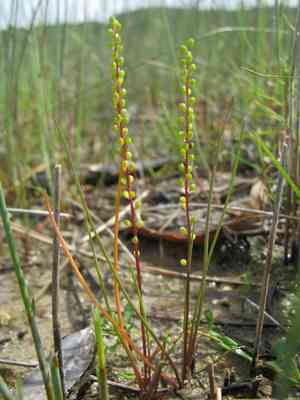
Three-ribbed arrow-grass (Triglochin striata)
Also known as: Streaked Arrowgrass
Streaked arrow grass, scientifically known as Triglochin striata, is a perennial plant characterized by its narrow, linear leaves with parallel lines.
In This Article
Attributes of Three-ribbed arrow-grass
Lifespan
Perennial
Plant Type
Grass
Plant Height
10-50 cm
Spread
N/A (generally has a linear form)
Leaf Color
Green
Flower Size
Approximately 2-3 mm
Flower Color
White
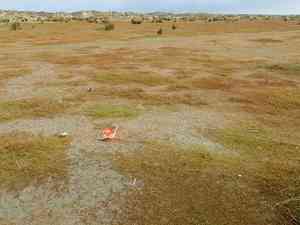
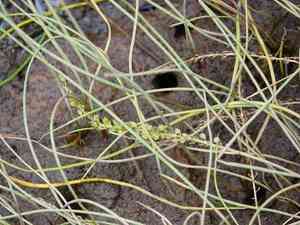
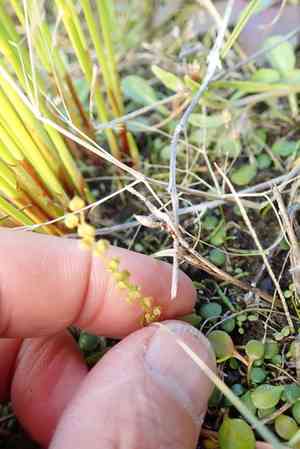
Images of Three-ribbed arrow-grass
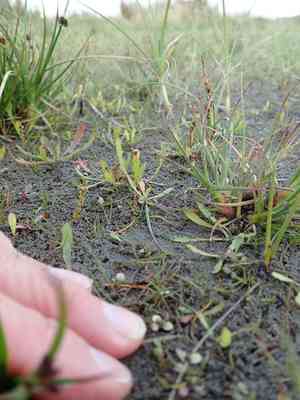
Quickly Identify Three-ribbed arrow-grass
1
This plant can be identified by its linear, grass-like leaves which are often streaked or striped. Its small, greenish flowers are arranged in a spike-like inflorescence.
Scientific Classification of Three-ribbed arrow-grass
Phylum
Vascular plants
Class
Monocotyledons
Order
Alismatales
Family
Arrow-grass
Genus
Arrowgrasses
Species
Three-ribbed arrow-grass
Planting and Growing of Three-ribbed arrow-grass
Care Difficulty
Easy
Watering Schedule
Every 2 days
Sunlight Requirements
Partial sun
Sunshine Duration
4-8 hours
Ideal Temperature
50-68℉
Soil Type
Potting Mix, Peat Mix
Soil pH
6.5-7.5
Fertilizer Type
Balanced
Pruning Season
Spring, Summer
Pruning Area
Branches, Leaves
Pruning Frequency
2 times a year
Repotting Season
Spring
Pot Type
Plastic, Terracotta
 How to Water Three-ribbed arrow-grass?
For Triglochin striata, the watering amount should be enough to moisten the entire root zone. Pour approximately 250 ml of water each time, ensuring the water soaks in deeply without leaving the plant in standing water. This helps simulate the plant's natural wetland habitat.
What are the symptoms of an underwatered Three-ribbed arrow-grass?
›
What should I do if my Three-ribbed arrow-grass is not getting enough water?
›
What are the symptoms of an overwatered Three-ribbed arrow-grass?
›
How to save an overwatered Three-ribbed arrow-grass?
›
 What Are the Sunlight Requirements for Three-ribbed arrow-grass?
The ideal condition for Triglochin striata is partial sun, where it receives balanced light for nutritional needs. This ensures robust growth, vibrant foliage, and adequate photosynthetic activity.
What type of sun exposure is best?
›
How can you provide the ideal lighting?
›
Why is achieving the ideal lighting important?
›
 What Is the Ideal Temperature Range for Three-ribbed arrow-grass?
The ideal temperature range for Triglochin striata is between 50°F and 68°F. This range provides optimal conditions for growth, ensuring that the plant can effectively perform photosynthesis, maintain healthy cellular processes, and avoid stress. When temperatures are maintained within this range, the plant is more likely to thrive and produce lush foliage.
 What Soil is Best for Three-ribbed arrow-grass?
Triglochin striata thrives in well-drained soil, which prevents root rot and ensures adequate oxygen supply. This helps in promoting healthy root development and overall plant vigor. The soil should retain some moisture without becoming waterlogged. Moisture retention ensures that the plant has a consistent water supply, crucial for growth during dry spells. A nutrient-rich soil composition promotes robust growth and vibrant foliage. It supplies essential nutrients required for various physiological processes in the plant.
 How to Fertilize Three-ribbed arrow-grass?
For Triglochin striata, it is recommended to use a balanced liquid fertilizer with an N-P-K ratio of 10-10-10. A dose of 1 teaspoon per gallon of water should suffice, applied every two weeks during the growing season.
 How to Prune Three-ribbed arrow-grass?
Start by identifying and focusing on areas with dead or overcrowded leaves. If you notice any browned or yellowed sections, these are the ones to remove to keep the plant healthy. Carefully prune back any foliage that blocks sunlight from reaching inner stems, allowing light and air to penetrate the plant, fostering healthier, more uniform growth.
More About Pruning Techniques→
 How to Propagate Three-ribbed arrow-grass plant?
1
Collect seeds from mature plants in the late summer or early autumn when they have fully developed and are about to disperse naturally.
2
Fill seed trays with a sterile, well-draining potting mix. Ensure the mix is slightly moist before sowing the seeds.
3
Disperse the seeds evenly across the surface of the potting mix, pressing them lightly so they come into good contact with the soil.
 How to Repot Three-ribbed arrow-grass plant?
1
Look for signals like slowed growth, roots poking through drainage holes, or soil that dries out too quickly. These indicators suggest it’s time for repotting Triglochin striata. Choosing the perfect moment—Spring or Autumn—can help the plant establish well, avoiding extreme weather stresses.
2
Select a pot that is just one size larger than the current one, ensuring it has ample drainage holes. This prevents waterlogging and root rot, providing enough room for new root growth without overwhelming the plant.
3
Opt for a moist, well-draining soil mix, possibly enriched with organic matter like compost. This type of soil ensures efficient water retention balanced with adequate drainage, promoting healthy root development and minimizing water-related stress.
Toxicity
Ingestion
WARNING
The judgment on toxicity and danger is for reference only. We DO NOT GUARANTEE any accuracy of such judgment. Therefore, you SHALL NOT rely on such judgment. It is IMPORTANT TO SEEK PROFESSIONAL ADVICE in advance when necessary.



