How to Prune Three-ribbed arrow-grass?
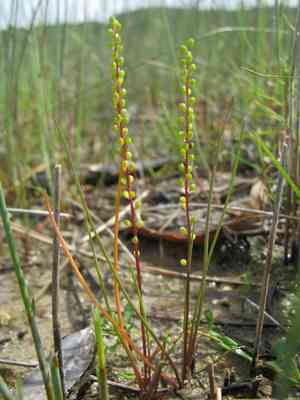
This aquatic perennial, characterized by its unique three-ribbed foliage, three-ribbed arrow-grass, thrives with regular trimming to encourage development. It's advisable to perform pruning in late winter or early spring, prior to the appearance of new growth. Remove any withered or discolored leaves from the plant's base to preserve its vitality and visual appeal. Trimming also helps manage its expansion and fosters a more compact leaf structure. Periodic reduction can avert excessive density and improve air movement, thereby lowering the likelihood of disease.
What Are the Benefits of Pruning Three-ribbed Arrow-grass?
What Are the Benefits of Pruning Three-ribbed Arrow-grass?
Trimming three-ribbed arrow-grass promotes more vigorous development and helps maintain its desired shape. Carefully removing excess growth leads to healthier, denser foliage and supports the plant's structural integrity.
What Is the Best Time for Pruning Three-ribbed Arrow-grass?
What Is the Best Time for Pruning Three-ribbed Arrow-grass?
Pruning or trimming three-ribbed arrow-grass is best done in early spring or winter for several reasons. In early spring, the plant is just emerging from winter dormancy, making it an ideal time to shape it and remove any damaged or dead foliage before new growth begins. Additionally, pruning in early spring allows three-ribbed arrow-grass to recover quickly without stressing the plant during its active growing season. Winter pruning is also recommended when the plant is fully dormant. This timing reduces the risk of disease transmission since many pathogens are inactive in colder weather. Furthermore, the absence of leaves provides better visibility of the plant's structure, enabling more precise and effective trimming. Both seasons ensure minimal impact on the health and vitality of three-ribbed arrow-grass, fostering a strong and productive growth cycle in the months that follow.
What Tools Do I Need to Prune Three-ribbed Arrow-grass?
Hand Pruners
For cutting away dead or overgrown stems of three-ribbed arrow-grass, hand pruners offer the precision and ease of use needed for clean cuts without harming the plant.
Pruning Shears
Perfect for shaping three-ribbed arrow-grass and managing its spread, pruning shears provide sharp, straight cuts that encourage good plant health and appearance.
Garden Scissors
Garden scissors are suitable for snipping soft foliage or performing minor trimming tasks on three-ribbed arrow-grass, ensuring the work is gentle and doesn't stress the plant.
Long-reach Pruners
If three-ribbed arrow-grass is located in hard-to-reach areas, long-reach pruners allow gardeners to prune without entering sensitive wetland areas where three-ribbed arrow-grass often thrives.
How to Prune Three-ribbed Arrow-grass
Sanitize tools
Before pruning three-ribbed arrow-grass, disinfect the pruning shears with alcohol or a bleach solution to prevent disease spread.
Identify
Carefully examine three-ribbed arrow-grass to locate diseased and withered leaves that need removal.
Cut diseased leaves
Using the sanitized shears, carefully cut away diseased leaves at the base of the leaf stem, being careful not to damage any healthy adjacent foliage.
Cut withered leaves
Similarly, remove any withered leaves by cutting them where they meet healthy tissue to stimulate new growth.
Dispose
Properly dispose of the removed diseased and withered leaves, far from three-ribbed arrow-grass, to prevent potential reinfection or disease spread.
Common Pruning Mistakes with Three-ribbed Arrow-grass
Overpruning
Avoid removing too much foliage from three-ribbed arrow-grass, as this can weaken the plant and hinder its growth.
Improper tool use
Using dull or dirty tools can damage three-ribbed arrow-grass's delicate stems, leading to disease and poor development.
Inadequate cleaning
Failing to clean pruning tools before and after use on three-ribbed arrow-grass can spread diseases between plants.
Pruning healthy tissue
Unnecessarily removing healthy tissue can stress three-ribbed arrow-grass and reduce its vitality.
Ignoring dead material
Not removing dead or dying leaves and stems can impede three-ribbed arrow-grass's growth and make it more vulnerable to disease.
Common Pruning Tips for Three-ribbed Arrow-grass
Sharp tools
Always use sharp, clean pruning shears to make precise cuts on three-ribbed arrow-grass, minimizing damage and disease risk.
Minimal pruning
Perform minimal pruning to maintain the shape and health of three-ribbed arrow-grass, focusing only on dead or damaged material.
Diagonal cuts
Make diagonal cuts to prevent water accumulation on the cut surfaces of three-ribbed arrow-grass, which could lead to rot.
Post pruning care
After pruning three-ribbed arrow-grass, ensure proper care, such as adequate watering and fertilization, to support recovery and growth.
Disease inspection
Regularly inspect three-ribbed arrow-grass for signs of disease before and after pruning, and take appropriate action to prevent spread.



