How to Transplant Seaside arrowgrass?
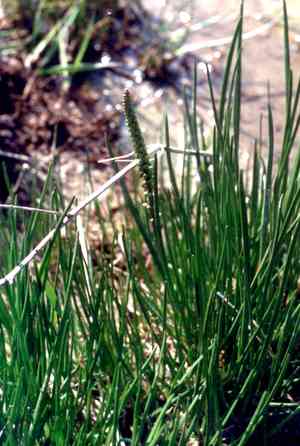
The optimal period for transplanting seaside arrowgrass is during the mild shift from the end of spring into mid-summer, allowing sufficient time for it to settle. Select coastal-type settings for this indigenous species, and if required, provide advice on maintaining soil hydration to aid its adaptation.
Essential Preparations Before Relocating Seaside Arrowgrass
Optimal Period for Moving Seaside Arrowgrass?
The best time to move seaside arrowgrass is during the lively, warm weeks spanning from late spring through mid-summer. This timeframe provides the perfect blend of extended daylight and mild temperatures, which aids in root development and growth before autumn's chill. Transplanting seaside arrowgrass in this season allows it to adjust to its new surroundings under the gentle influence of the summer sun, preparing it strongly for the coming seasons.
Recommended Spacing Between Seaside Arrowgrass Plants?
When moving your seaside arrowgrass, it's wise to provide ample room! Aim for a separation of approximately 6-12 inches (15-30 cm) between plants. This will ensure your plants have sufficient space to thrive without becoming too crowded.
Ideal Soil Mixture for Seaside Arrowgrass Relocation?
Your seaside arrowgrass will flourish in a location with soil that drains effectively! Prepare the area by incorporating some sand if your soil is dense. Adding a bit of compost or a slow-release fertilizer to the mix will give your seaside arrowgrass a successful beginning.
Where to Replant Your Seaside Arrowgrass?
Select a sunny spot for your seaside arrowgrass. They absolutely love sunlight! A location where they can receive at least 6 hours of direct sun will help your seaside arrowgrass prosper. Partial shade is also acceptable, but aim for abundant sunlight for vigorous development.
Equipment Needed Before Transplanting Seaside Arrowgrass
Gardening Gloves
To safeguard your hands while handling soil and plants.
Shovel or Spade
For excavating the plant and preparing a new planting site.
Garden Fork
To assist in loosening soil around the root ball during extraction, if required.
Pruning Shears
To trim any dead or excess foliage and roots.
Watering Can or Hose with a Soft Spray Attachment
For hydrating the plant before and after its relocation.
Wheelbarrow or Garden Cart
To move the plant and soil efficiently.
Trowel
For minor adjustments to the planting hole and for scooping soil.
Mulch
To aid in retaining soil moisture and regulating temperature around the root zone post-transplant.
How to Extract Seaside Arrowgrass from the Ground?
How to Extract Seaside Arrowgrass from the Ground?
From Ground: First, hydrate the seaside arrowgrass plant to moisten the soil. Next, excavate a broad trench around the plant using a shovel or spade, ensuring the plant's root ball remains intact. Carefully work the spade beneath the root ball to lift the plant from the ground.From Pot: Water the seaside arrowgrass thoroughly before beginning. Invert the pot and gently tap to dislodge the root ball. Grasp the plant at its base and carefully ease it out of the pot while supporting the root mass.From Seedling Tray: Water the seaside arrowgrass seedlings to ensure soil cohesion. Utilize a trowel or a dibber to carefully lift the seedling, preserving as much root and soil structure as possible.
Step-by-Step Guide for Relocating Seaside Arrowgrass
Hole Preparation
Dig a hole twice as wide and equivalent in depth to the root ball of the seaside arrowgrass.
Root Ball Inspection
Examine the root ball for circling roots and gently separate them. Trim any damaged roots using pruning shears.
Plant Positioning
Place the seaside arrowgrass in the center of the hole at the same depth it was previously growing. Adjust the soil beneath if necessary to ensure it is level.
Filling The Hole
Gently backfill the hole with soil around the root ball, lightly tamping down as you proceed to eliminate air pockets.
Watering
Thoroughly water the seaside arrowgrass after planting to settle the soil and help reduce transplant shock.
Mulching
Apply a layer of mulch around the base of the seaside arrowgrass to aid in moisture retention and weed prevention.
Post-Transplant Care for Seaside Arrowgrass
Consistent Watering
Maintain consistent moisture in the soil around the seaside arrowgrass, especially during the initial weeks, to aid new root establishment.
Monitoring
Closely observe the seaside arrowgrass for indications of stress such as wilting or discolored leaves and promptly address any issues.
Mulch Refreshment
Periodically check the mulch to maintain appropriate thickness, which assists with soil temperature and moisture retention.
Gentle Fertilizing
Once seaside arrowgrass shows signs of new growth, apply a light, balanced fertilizer if needed, but avoid excessive fertilization which can harm the plant.
Addressing Common Issues with Seaside Arrowgrass Transplantation.
Why is my seaside arrowgrass wilting after transplanting?
Wilting might indicate transplant shock. Ensure careful handling of roots during the move and sufficient water.
How can I determine if I've adequately watered my transplanted seaside arrowgrass?
Soil should be moist, not saturated. Check moisture 2 inches (5 cm) deep; it should feel damp.
What's the ideal time for transplanting seaside arrowgrass?
The optimal period for moving seaside arrowgrass is from late spring to early summer, when growth is vigorous.
Can I transplant seaside arrowgrass on a hot, sunny day?
Avoid peak sun hours. Transplant during cloudy weather or in the evening to minimize stress on seaside arrowgrass.
How do I prepare the soil before transplanting seaside arrowgrass?
Enrich the soil with organic matter, ensure it drains well, and pre-moisten before transplanting seaside arrowgrass.
What spacing is necessary for seaside arrowgrass to thrive after transplanting?
Space seaside arrowgrass approximately 6-12 inches (15-30 cm) apart. This provides adequate room for growth without overcrowding.
How deep should I plant seaside arrowgrass in its new location?
The hole should be as deep as the root ball and twice as wide to encourage growth.
How do I manage the roots when transplanting seaside arrowgrass?
Gently untangle the roots to encourage them to spread out in the new soil environment.
Should I prune my seaside arrowgrass before transplanting?
Pruning is not required unless there are damaged or diseased sections that need removal.
How long will it take for my seaside arrowgrass to establish after transplanting?
Typically, seaside arrowgrass should begin to establish within a few weeks, given proper care and favorable conditions.



