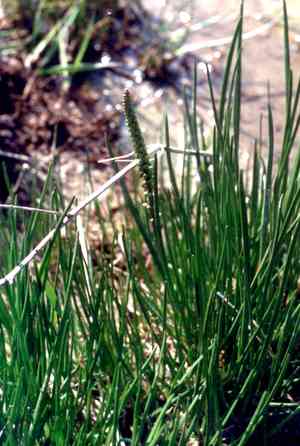
Seaside arrowgrass (Triglochin maritima)
Also known as: Common arrow-grass
Seaside arrowgrass (Triglochin maritima) is a small, grasslike plant that flourishes in both freshwater and saltwater wetlands. Smaller than Marsh Arrowgrass, this plant poses a risk to livestock. Under dry conditions, it can become toxic by producing hydrogen cyanide, which may poison animals that graze on it.
In This Article
Attributes of Seaside arrowgrass
Lifespan
Perennial
Plant Type
Herb
Plant Height
30 cm to 70 cm
Spread
60 cm
Leaf Color
Green
Flower Size
2 mm
Flower Color
White Yellow Green Purple
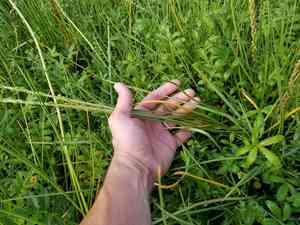
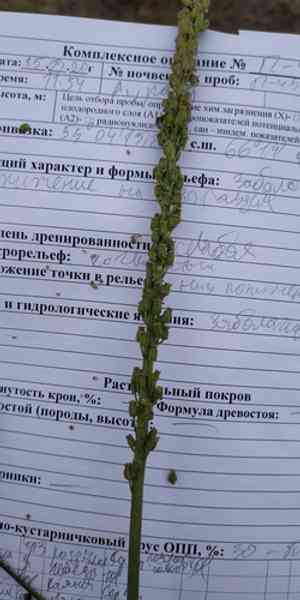
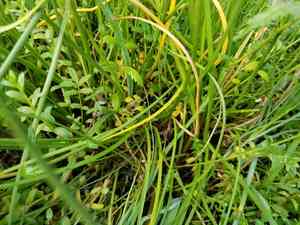
Images of Seaside arrowgrass
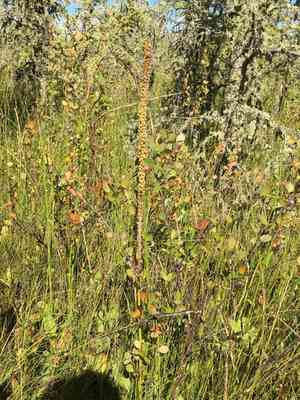
Quickly Identify Seaside arrowgrass
1
Look for long, narrow, and succulent leaves that resemble grass. Sea Arrowgrass has a distinctive flowering spike with small, greenish flowers arranged in a dense cluster.
Scientific Classification of Seaside arrowgrass
Phylum
Vascular plants
Class
Monocotyledons
Order
Alismatales
Family
Arrow-grass
Genus
Arrowgrasses
Species
Seaside arrowgrass
Planting and Growing of Seaside arrowgrass
Care Difficulty
Easy
Watering Schedule
Every 3 days
Sunlight Requirements
Full sun
Sunshine Duration
6-10 hours
Ideal Temperature
50-77℉
Soil Type
Potting Mix, Peat Mix
Soil pH
6.5-7.5
Fertilizer Type
Balanced
Pruning Season
Spring, Summer
Pruning Area
Branches, Leaves
Pruning Frequency
2 times a year
Repotting Season
Spring
Pot Type
Terracotta, Plastic
 How to Water Seaside arrowgrass?
Triglochin maritima prefers a moderate amount of water. Aim to keep the soil consistently moist but not waterlogged. To mimic the plant's natural marsh habitat, water it thoroughly with about 250 milliliters per session. Allow the topsoil to dry slightly between waterings to prevent overwatering.
What are the symptoms of an underwatered Seaside arrowgrass?
›
What should I do if my Seaside arrowgrass is not getting enough water?
›
What are the symptoms of an overwatered Seaside arrowgrass?
›
How to save an overwatered Seaside arrowgrass?
›
 What Are the Sunlight Requirements for Seaside arrowgrass?
Triglochin maritima performs best under conditions providing full to partial sun exposure, which encourages strong and vibrant plant growth. Consistent access to light promotes optimal photosynthesis and overall health.
How much light does Triglochin maritima need?
›
What happens if it doesn't get enough light?
›
How to achieve ideal lighting for Triglochin maritima?
›
 What Is the Ideal Temperature Range for Seaside arrowgrass?
The ideal temperature range for the growth of Triglochin maritima is between 50°F and 77°F. This range provides optimal conditions for photosynthesis, nutrient uptake, and overall plant health. These temperatures generally mimic the coastal and wetland environments where this species is naturally found.
 What Soil is Best for Seaside arrowgrass?
Triglochin maritima thrives in well-draining soil which prevents root rot by allowing excess water to escape. This kind of soil supports healthy root development and nutrient uptake. Soil enriched with moderate levels of organic matter is beneficial for Triglochin maritima, as it provides essential nutrients without overwhelming the plant, promoting steady growth and lush foliage. This plant is adapted to saline conditions, meaning it can tolerate higher salt levels in the soil. This characteristic makes it suitable for coastal gardens where salinity can be an issue.
 How to Fertilize Seaside arrowgrass?
For Triglochin maritima, use a balanced liquid fertilizer diluted to half strength. Apply about 100-150 ml of this solution around the base of the plant each time. For slow release granules, spread them evenly across the planting area based on package instructions, typically about 25 grams per square meter.
 How to Prune Seaside arrowgrass?
Gather your tools, including sharp scissors or pruning shears, and ensure they are sanitized. This helps in preventing the spread of disease. Start by removing any dead, yellowing, or damaged leaves. Trim them close to the base to encourage new growth. Be gentle with delicate parts to avoid unnecessary stress. If necessary, shape the plant by trimming overly long stems. This can help in maintaining a tidy appearance but remember to preserve its natural form.
More About Pruning Techniques→
 How to Propagate Seaside arrowgrass plant?
1
Harvest mature seeds from Triglochin maritima in autumn when the seed heads turn brown. Dry them thoroughly to prevent mold or fungal growth during storage.
2
Use a well-draining soil mix rich in organic matter to fill your seed trays. Maintain soil moisture by lightly watering it, but avoid waterlogging which can impede seed germination.
3
For division propagation, carefully uproot the plant in early summer. Use a sharp, clean knife or trowel to divide the root clump into sections, each with a good root system and shoot.
 How to Repot Seaside arrowgrass plant?
1
Triglochin maritima should be repotted when you notice its roots beginning to poke through the drainage holes of the current pot, or if the plant has outgrown its container, typically every 2-3 years. Other signals include slow growth or the soil not retaining moisture effectively.
2
Select a pot that is approximately 2-3 inches larger in diameter than the current one. Ensure it has adequate drainage holes to prevent waterlogging, as this plant prefers well-drained conditions. A properly sized pot encourages optimal root spread and plant stability.
3
Opt for a well-drained, sandy soil mix, which is ideal for Triglochin maritima. This type of soil mimics its natural coastal habitat, providing the necessary drainage to prevent waterlogging and potential root rot, which the plant is particularly susceptible to.
Toxicity
Ingestion
WARNING
The judgment on toxicity and danger is for reference only. We DO NOT GUARANTEE any accuracy of such judgment. Therefore, you SHALL NOT rely on such judgment. It is IMPORTANT TO SEEK PROFESSIONAL ADVICE in advance when necessary.



