The Seaside arrowgrass Plant Advantage: Maximizing Home and Office Appeal and Wellness
1
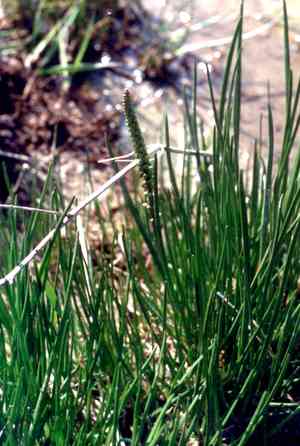
Coastal arrowgrass is vital for maintaining the stability of shoreline earth.
2
Its strong resistance to salt makes it perfect for salty habitats.
3
This flora aids in enhancing water purity through pollutant filtration.
How Does Seaside arrowgrass Stabilize Coastal Soils?
Root System and Soil Stabilization
A prominent characteristic of Seaside arrowgrass is its extensive root network. This robust system of roots helps secure the soil, mitigating erosion caused by wind and water. This feature makes it particularly effective in preserving the integrity of shorelines and marshlands. In areas susceptible to tidal forces and coastal winds, Seaside arrowgrass acts as a natural barrier, protecting the soil from displacement.
Preventing Land Degradation
By stabilizing the soil, Seaside arrowgrass plays a vital role in preventing land degradation. The presence of this plant helps maintain the topsoil layer, which is crucial for the health of other plant species and overall ecosystem stability. Land degradation can lead to habitat loss for numerous species, making the role of Seaside arrowgrass indispensable in coastal regions.
Why Is Seaside arrowgrass Ideal for Saline Environments?
Salt Tolerance Mechanisms
Seaside arrowgrass is uniquely adapted to flourish in saline environments, a rare trait among plant species. Its salt tolerance mechanisms enable it to survive and thrive in areas where other plants might struggle. This adaptation includes specialized functions in its roots and leaves that manage high salt concentrations, ensuring the plant remains healthy and continues to grow.
Supporting Biodiversity
The ability of Seaside arrowgrass to grow in salty conditions creates an opportunity for other flora and fauna that coexist in such environments. By providing a stable habitat, it supports local biodiversity, allowing other plant species and wildlife to thrive in its vicinity. This enhances the overall resilience of the coastal ecosystem.
How Does Seaside arrowgrass Contribute to Water Quality?
Filtration of Pollutants
One of the lesser-known but equally critical benefits of Seaside arrowgrass is its ability to filter pollutants from water. The plant's root system can absorb and break down various contaminants, including heavy metals and organic compounds. This natural filtration process helps purify the water, making it safer for wildlife and reducing the environmental impact of pollution.
Improving Aquatic Ecosystems
By improving water quality, Seaside arrowgrass contributes positively to aquatic ecosystems. Clean water is essential for the health of marine life, from microorganisms to larger aquatic animals. The presence of Seaside arrowgrass in coastal and wetland areas ensures that these environments remain vibrant and sustainable, supporting a diverse range of species.
What Are the Ecological Benefits of Seaside arrowgrass?
Providing Habitat for Wildlife
Seaside arrowgrass serves as a critical habitat for various wildlife species. Birds, insects, and small mammals often rely on this plant for shelter and food. The dense foliage and root structures provide a safe haven and breeding grounds, making it an integral component of the coastal ecosystem.
Enhancing Ecosystem Resilience
The presence of Seaside arrowgrass enhances the resilience of coastal ecosystems to environmental changes. Whether through its role in stabilizing soil, improving water quality, or supporting biodiversity, Seaside arrowgrass contributes to the overall health and sustainability of these areas. Its resilience to harsh conditions means it can continue to offer these benefits even in the face of climate change and human impact.



