How to Transplant Desert Horse-purslane?
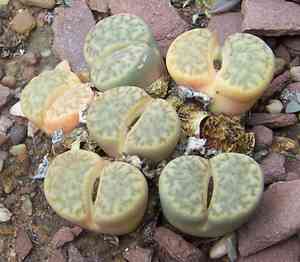
To enhance the development of desert Horse-purslane, relocate it after the last frost, when the warmth of late spring transitions into early summer. Select a sunny spot with excellent drainage. If necessary, slowly introduce desert Horse-purslane to its new environment to avoid stress and guarantee vigorous growth.
What Preparations are Needed Before Transplanting Desert Horse-purslane?
What is the Ideal Time for Transplanting Desert Horse-purslane?
The optimal time for relocating desert Horse-purslane is at the start of the warm season, typically from late spring into early summer. This period ensures the ground is sufficiently warm to promote root development without the intense heat of midsummer, which could harm desert Horse-purslane. Moving it during this window maximizes desert Horse-purslane's potential for strong growth, as the developing environmental conditions offer an excellent nurturing environment. This approach aligns with desert Horse-purslane's natural growth cycle, fostering successful adaptation and vigorous development, setting the stage for a flourishing growing season.
How Much Space Should You Leave Between Desert Horse-purslane Plants?
When getting ready to move your desert Horse-purslane, aim for a separation of approximately 6-12 inches (15-30 cm) between each plant. This provides ample room for each to flourish without becoming too crowded.
What is the Best Soil Mix for Desert Horse-purslane Transplanting?
For desert Horse-purslane, utilize soil that drains well and is abundant in organic material. Prior to transplanting, enrich the soil with a balanced, slow-release fertilizer to give your desert Horse-purslane an excellent beginning.
Where Should You Relocate Your Desert Horse-purslane?
Select a bright spot for your desert Horse-purslane where it can receive full sunlight for the majority of the day. This plant, which loves the sun, will thrive with plenty of light.
What Equipments Should You Prepare Before Transplantation Desert Horse-purslane?
Gardening Gloves
To safeguard your hands while handling soil and plants.
Shovel or Spade
For digging around and lifting the plant's root mass from its current spot.
Garden Fork
To loosen the soil surrounding the plant, especially when removing it from the ground.
Watering Can or Hose
To hydrate the plant both before and after its relocation.
Pruning Shears
To trim any damaged roots or excess foliage if required.
Wheelbarrow or Plant Caddy
To safely move the plant to its new location, particularly if it is large.
Trowel
For excavating a hole in the new site to accommodate the plant.
How Do You Remove Desert Horse-purslane from the Soil?
How Do You Remove Desert Horse-purslane from the Soil?
From Ground: First, moisten the desert Horse-purslane plant by watering the soil. Then, carefully dig a wide trench around the plant using a shovel or spade, ensuring it's deep enough to encompass the entire root ball. Use a garden fork if needed to loosen the soil. Gently work the tool beneath the root ball to lift the plant from its original spot with minimal root disturbance.From Pot: Start by thoroughly watering your desert Horse-purslane plant. Turn the pot on its side, grasp the plant by its base, and tap the bottom to loosen it. Carefully slide the plant out, supporting the root ball with your other hand. If the plant is stuck, you might need to cut the pot.From Seedling Tray: Water the seedlings well. Use a trowel or your fingers to gently remove each desert Horse-purslane seedling by lifting from the stem's base, being careful not to harm the delicate roots.
Step-by-Step Guide for Transplanting Desert Horse-purslane
Prepare the New Area
Identify the new spot where the desert Horse-purslane will be moved. Make sure the area is clear of weeds and debris.
Dig the Hole
Using a trowel, create a hole in the new location that is twice as wide and as deep as the root ball of the desert Horse-purslane.
Inspect the Roots
Before placing your desert Horse-purslane into the new hole, examine its roots. Trim any broken or damaged roots with pruning shears.
Position the Plant
Place the desert Horse-purslane in the center of the hole. Ensure it stands upright and at the same depth it was previously growing.
Backfill the Hole
Carefully fill the hole with soil, gently pressing around the base of the desert Horse-purslane to eliminate air pockets.
Water Thoroughly
After backfilling, water the desert Horse-purslane generously to settle the soil and aid in establishing root-to-soil contact.
Mulch (Optional)
Apply a layer of mulch around the base of the desert Horse-purslane, leaving some space around the stem to prevent rot.
How Do You Care For Desert Horse-purslane After Transplanting?
Watering
Provide consistent yet moderate watering for the desert Horse-purslane, keeping the soil moist as the plant adapts to its new environment.
Support
If the desert Horse-purslane is a taller variety, you may need to stake it for support until it becomes established.
Monitoring
Observe for indications of transplant shock, such as wilting or discolored leaves, and adjust care as necessary.
Pruning
Gently trim any dead or unhealthy foliage to redirect energy towards new growth.
Troubleshooting Common Issues with Desert Horse-purslane Transplantation.
What's the best time to transplant desert Horse-purslane?
The ideal period to move desert Horse-purslane is when the warmth of late spring transitions into early summer.
How much space does desert Horse-purslane need between plants?
Allow a distance of 6-12 inches (15-30 cm) between desert Horse-purslane to provide each plant ample room to flourish.
Why are my desert Horse-purslane plants wilting after transplant?
Wilting after transplanting can be due to stress. Ensure consistent soil moisture and initially shield desert Horse-purslane from intense sunlight.
How deep should the hole be for transplanting desert Horse-purslane?
Dig a hole just deep enough to accommodate the rootball of desert Horse-purslane, matching its prior depth.
Can I transplant desert Horse-purslane on a hot day?
Moving desert Horse-purslane on a hot day can cause stress. Opt for a cooler, overcast day or transplant in the evening.
How can I tell if desert Horse-purslane has transplant shock?
Shock in desert Horse-purslane may manifest as drooping leaves, yellowing, or stunted growth. Provide shade and avoid overwatering.
How often should I water desert Horse-purslane after transplanting?
Water desert Horse-purslane generously immediately after transplanting, then maintain a regular watering schedule without saturating the soil.
What type of soil is best for transplanting desert Horse-purslane?
A light, well-draining soil rich in organic matter provides an optimal environment for desert Horse-purslane's roots post-transplant.
Do I need to fertilize desert Horse-purslane after transplanting?
Wait 2-4 weeks before applying a mild fertilizer to desert Horse-purslane to prevent damage to its delicate roots.
Can I transplant desert Horse-purslane in a pot?
Absolutely! Ensure the pot has adequate drainage and sufficient space for desert Horse-purslane to reach its full potential.



