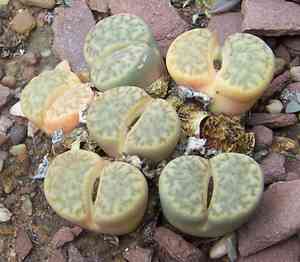
Desert Horse-purslane (Trianthema portulacastrum)
Also known as: Black-pigweed
Desert Horse-purslane (Trianthema portulacastrum) is an annual flowering herb found in Africa, North America, and South America. Commonly referred to as giant pigweed, this plant serves as a host for the beet leafhopper.
In This Article
Attributes of Desert Horse-purslane
Lifespan
Annual, Perennial
Plant Type
Herb
Plant Height
1 m
Spread
1 m
Leaf Color
Green
Flower Size
7 mm
Flower Color
White Purple
Images of Desert Horse-purslane
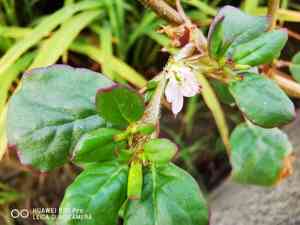
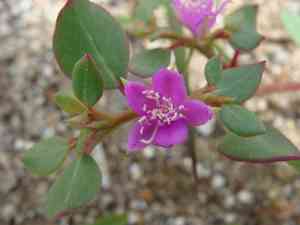
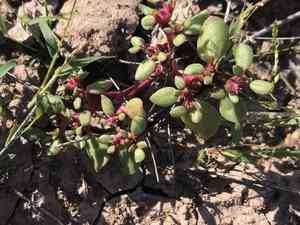
Quickly Identify Desert Horse-purslane
1
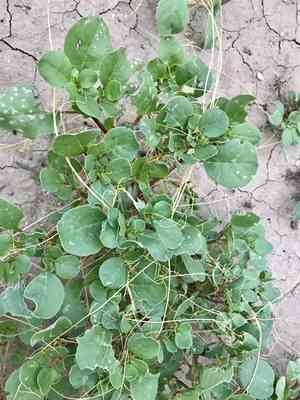
Trianthema portulacastrum can be identified by its prostrate or ascending growth habit, succulent stems, and fleshy, smooth-edged leaves. The leaves are often opposite, with small, star-shaped flowers that are pink or purple in color.
Scientific Classification of Desert Horse-purslane
Phylum
Vascular plants
Class
Dicotyledons
Order
Caryophyllales
Family
Fig-marigold
Genus
Trianthema
Species
Desert Horse-purslane
Planting and Growing of Desert Horse-purslane
Care Difficulty
Easy
Watering Schedule
Every 8 days
Sunlight Requirements
Full sun
Sunshine Duration
4-6 hours
Ideal Temperature
75-86℉
Soil Type
Potting Mix, Peat Mix
Soil pH
6.5-7.5
Fertilizer Type
Balanced
Pruning Season
Spring, Summer
Pruning Area
Branches, Leaves
Pruning Frequency
2 times a year
Repotting Season
Spring
Pot Type
Plastic, Terracotta
 How to Water Desert Horse-purslane?
When watering Trianthema portulacastrum, the goal is to thoroughly moisten the soil without causing waterlogging. A good strategy is to aim for about 300 milliliters per session, ensuring the soil is drenched but not overly saturated. Let the excess water drain away, preventing root rot and maintaining optimum conditions.
What are the symptoms of an underwatered Desert Horse-purslane?
›
What should I do if my Desert Horse-purslane is not getting enough water?
›
What are the symptoms of an overwatered Desert Horse-purslane?
›
How to save an overwatered Desert Horse-purslane?
›
 What Are the Sunlight Requirements for Desert Horse-purslane?
The ideal light range is partial to full sun, which allows the plant to photosynthesize efficiently, supporting healthy foliage and flower development while preventing legginess or etiolation.
More About Sunlight Requirements Techniques→
What is the optimal light level for Trianthema portulacastrum?
›
What are the solutions to achieve optimal lighting?
›
What are the benefits of Trianthema portulacastrum getting optimal light?
›
 What Is the Ideal Temperature Range for Desert Horse-purslane?
Trianthema portulacastrum thrives best in temperatures ranging from 75°F to 86°F. This range ensures the most efficient photosynthesis rate, leading to optimal growth and development of the plant. Maintaining temperatures within this range minimizes stress and maximizes the plant’s resilience to disease and pests.
 What Soil is Best for Desert Horse-purslane?
Trianthema portulacastrum thrives best in soils that have excellent drainage. These conditions prevent waterlogging, which can cause root rot and adversely affect the plant's growth. By ensuring well-draining soil, you allow the roots to breathe and absorb nutrients effectively. While Trianthema portulacastrum is resilient, it benefits tremendously from soil rich in organic matter. A nutrient-rich medium promotes vigorous growth and enhances the plant's resistance to pests and diseases. Using compost or well-rotted manure can improve the soil fertility significantly. Trianthema portulacastrum can tolerate a range of fertility levels, but moderately fertile soils are ideal. Such soils provide essential nutrients to support the plant's lifecycle without overwhelming their natural adaptive growth patterns.
 How to Fertilize Desert Horse-purslane?
Trianthema portulacastrum typically requires moderate fertilization. For liquid fertilizers, use about 1 tablespoon per gallon of water, ensuring it is diluted properly to avoid root burn. Stick to using assorted balanced N-P-K ratios like 10-10-10 for optimal growth.
 How to Prune Desert Horse-purslane?
Begin pruning from the base of the plant. This approach ensures that any energy from the roots is redirected to growing healthy stems and leaves. Trim the tips of healthy branches selectively to encourage the plant to grow bushier and maintain a compact form.
More About Pruning Techniques→
 How to Propagate Desert Horse-purslane plant?
1
Gather mature seeds from the plants once they are ready. Look for seeds that have naturally fallen to the ground or that can be easily detached from the plant.
2
Select healthy, disease-free stems. Cut them into segments, ensuring each segment has at least a couple of leaves. Use sterilized equipment to prevent contamination.
3
Plant seeds or cuttings in a well-drained mixture. Keep the substrate consistently moist, but avoid overwatering. Place them in a warm location with indirect sunlight.
 How to Repot Desert Horse-purslane plant?
1
Trianthema portulacastrum should be repotted when you notice that roots are starting to emerge from the drainage holes, indicating it's outgrowing its current pot. Another sign is if the plant's growth appears stunted, despite good watering and light. This often signals the plant needs more space.
2
Choose a pot that is one size larger than the current one, with adequate drainage holes. A slightly larger pot provides extra space for root growth and ensures that your plant will not become root-bound too quickly. The added space also helps retain moisture better without causing waterlogging.
3
Opt for a well-draining sandy soil mix to prevent waterlogging while providing adequate aeration for roots. A good balance of sand, loam, and perlite in the soil mix helps keep the roots healthy, preventing problems such as root rot and ensuring a robust plant growth.
Toxicity
Ingestion
WARNING
The judgment on toxicity and danger is for reference only. We DO NOT GUARANTEE any accuracy of such judgment. Therefore, you SHALL NOT rely on such judgment. It is IMPORTANT TO SEEK PROFESSIONAL ADVICE in advance when necessary.



