How to Propagate Desert Horse-purslane?
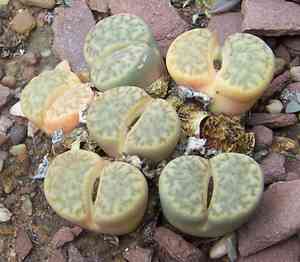
Desert Horse-purslane, a hardy succulent, multiplies vigorously via seeding. Cultivators can effectively reproduce it by embedding seeds in porous soil, ideally a blend of sand and compost to supply the necessary nourishment and air circulation. The seeds ought to be lightly covered and kept damp, yet not saturated, to avert decay. Best sprouting happens in warm environments with consistent humidity, and nascent plants need ample room to mature. For eager horticulturists, even beginners can enrich their landscape with desert Horse-purslane as it easily acclimates to diverse environments.
When Is the Optimal Time to Propagate Desert Horse-purslane?
Propagation Method
Seeding
Propagation Period
Spring
What Equipment Is Used in Desert Horse-purslane Propagation?
Seed trays
Seed trays are vital for the initial planting of desert Horse-purslane seeds, offering a controlled setting for sprouting. Their compact design allows for efficient space and resource utilization while maintaining adequate seed separation to prevent overcrowding, which can impede growth.
Potting mix
A suitable potting mix for cacti or succulents ensures the correct balance of drainage and moisture retention, crucial for desert Horse-purslane's root development during germination. The mix should be loose and porous to aid root penetration and air circulation, helping to prevent root rot and support healthy growth.
Misting bottle
A misting bottle is essential for gently watering desert Horse-purslane seeds without dislodging them. The fine spray provides the necessary moisture for germination without causing soil erosion or seed displacement within the tray.
Grow lights or shade netting
Depending on the propagator's setup, grow lights (for indoor propagation) or shade netting (for outdoor propagation) may be necessary. Desert Horse-purslane requires a balance of light and temperature control for optimal growth. Grow lights offer control over light intensity and duration, while shade netting can protect seeds from excessive natural sunlight, reducing the risk of overheating or dehydration.
Thermometer/Hygrometer
Monitoring the temperature and humidity around desert Horse-purslane seeds is crucial, as these conditions significantly impact germination success. A thermometer/hygrometer helps maintain the optimal environment, ensuring the area is not too dry or cold, which could impede the germination process.
How to Propagate Desert Horse-purslane?
Propagation Type
Simple
How to Care for Your Newly Propagated Desert Horse-purslane?
How to Care for Your Newly Propagated Desert Horse-purslane?
Once established, desert Horse-purslane requires minimal upkeep. It thrives in harsh conditions, making it ideal for arid or semi-arid climates. Ensure the soil remains slightly moist, but be wary of over-watering. Desert Horse-purslane tolerates poor soils and partial shade but performs best in sunny locations with nutrient-poor, well-drained soils. Fertilization is generally not needed. Regularly check for pests or disease, though desert Horse-purslane is typically quite resilient.
Common Mistakes to Avoid When Propagating Desert Horse-purslane
Overwatering
Excessive watering can lead to root rot in desert Horse-purslane, as its succulent-like characteristics necessitate well-drained soil. Too much moisture can reduce root aeration, potentially killing the plant.
Deep planting
Planting desert Horse-purslane seeds too deeply can impede germination because it is a light-dependent germinator. Seeds buried under too much soil may fail to sprout.
Ignoring weeding
Desert Horse-purslane's early growth stages are particularly vulnerable to competition from weeds. Failure to control weeds can inhibit light, nutrients, and space essential for desert Horse-purslane's development.
Tips For Propagating Desert Horse-purslane
Well-draining soil
Using well-draining soil is crucial for desert Horse-purslane to prevent water retention around the roots, which minimizes the risk of fungal diseases.
Surface sowing
Desert Horse-purslane seeds need light to germinate effectively. Ensure the seeds are sown on the soil surface and lightly pressed into the soil without covering them.
Regular weeding
Maintaining a weed-free area around desert Horse-purslane will enhance its growth by reducing competition for essential resources such as sunlight and nutrients.



