How to Transplant Coastal false asphodel?
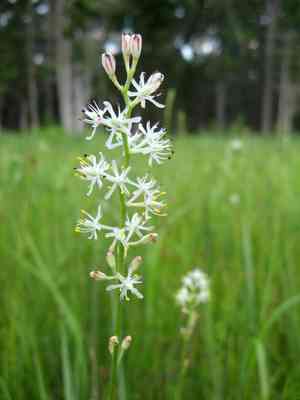
Coastal false asphodel flourishes when transplanted in the vibrant phase of mid to late spring, capitalizing on moderate temperatures and sufficient hydration. Select a spot with dappled light and permeable, acidic earth. Verify the new setting replicates its native environment.
Necessary Preparations Before Relocating Coastal False Asphodel
Optimal Period for Relocating Coastal False Asphodel
The best time to move coastal false asphodel, a perennial, is from the beginning to the end of spring. Moving it during this period ensures cool temperatures and ample moisture, which helps roots settle. The plant flourishes under these conditions, lessening transplant shock and encouraging robust development as the growing season advances.
Required Spacing Between Coastal False Asphodel Plants
When relocating coastal false asphodel, ensure each plant is positioned 12-15 inches (30-38 cm) apart. This provides ample room for growth without nutrient competition and gives your garden an orderly appearance.
Ideal Soil Blend for Coastal False Asphodel Relocation
For coastal false asphodel, prepare well-draining soil rich in organic matter. Incorporate a base fertilizer suitable for perennials to boost soil fertility. Compost or aged manure can also effectively supply the necessary nutrients for your plants.
Choosing a New Location for Your Coastal False Asphodel
Select a site for relocating coastal false asphodel that receives full sun to partial shade. This plant thrives best with at least 6 hours of daily sunlight. Ensure the chosen spot does not become waterlogged, as excessive moisture can harm the plant.
Equipment to Prepare Before Relocating Coastal False Asphodel
Gardening Gloves
To safeguard your hands while handling soil and plants.
Shovel or Spade
For excavating and lifting the plant.
Trowel
For minor adjustments and creating planting holes.
Watering Can or Hose
For hydrating the plant before and after relocation.
Gardening Fork
To gently loosen the soil around the root system.
Wheelbarrow (Optional)
For moving the plant if needed.
Method for Extracting Coastal False Asphodel from the Ground
Method for Extracting Coastal False Asphodel from the Ground
From Ground: First, hydrate the coastal false asphodel plant to moisten the soil. This facilitates lifting the plant with minimal root damage. Use a shovel or spade to dig a wide trench around the plant, ensuring the root ball remains intact. Carefully work the spade beneath the root ball to lift the plant from its original spot.From Pot: Water the coastal false asphodel plant thoroughly. Gently tilt the pot sideways and tap the bottom and sides to loosen the soil. Carefully slide the plant out, taking care not to harm the roots. If the plant is root-bound, gently separate the roots before relocating.From Seedling Tray: Water the coastal false asphodel seedlings to ease removal. Using a trowel or your fingers, gently lift each seedling, ensuring as much soil as possible remains around the roots. Handle seedlings carefully by their leaves, not stems, to prevent damage.
Detailed Steps for Relocating Coastal False Asphodel
Prepareplantingsite
Select a location with adequate sunlight and room for your coastal false asphodel plant to reach its full size. Confirm the soil drains well and amend it if necessary to improve its composition.
Digplantinghole
Excavate a hole twice as wide and as deep as the root ball of your coastal false asphodel plant. This provides ample space for roots to spread and establish.
Positiontheplant
Gently place the coastal false asphodel plant into the hole. Ensure the top of the root ball is level with or slightly above the surrounding soil. This prevents the plant from being too deep and aids proper drainage.
Backfillhole
Carefully refill the hole with soil, lightly tamping it down to eliminate air pockets. Confirm the plant is stable and upright.
Waterthoroughly
Water the coastal false asphodel plant thoroughly immediately after planting. This helps settle the soil around the roots and provides initial moisture for the plant to begin establishing.
Post-Relocation Care for Coastal False Asphodel
Watering
Maintain consistent moisture in the soil around the coastal false asphodel, avoiding sogginess, for the initial weeks after relocation to encourage strong root development.
Mulching
Apply a 2-3 inch layer of mulch around the plant's base to retain moisture, stabilize soil temperature, and inhibit weed growth.
Monitoring
Observe your coastal false asphodel plant for indications of stress such as wilting, yellowing foliage, or stunted growth. Address any issues promptly by adjusting watering or checking for pests.
Resolving Common Issues with Coastal False Asphodel Relocation.
When is the best time to relocate coastal false asphodel?
The optimal period to relocate coastal false asphodel is from early spring to late spring for superior outcomes.
What spacing should I maintain between plants?
Ensure 12-15 inches (30-38 cm) of space between coastal false asphodel plants to foster healthy development.
What soil type is most suitable for coastal false asphodel?
Coastal false asphodel thrives in moist, well-draining soil enriched with organic matter. Avoid excessively sandy or clay-heavy soils.
How deep should coastal false asphodel seedlings be planted?
Plant coastal false asphodel seedlings at the same depth they were growing in their original containers.
What action should I take if coastal false asphodel wilts after relocation?
Water coastal false asphodel thoroughly and ensure the soil remains consistently moist without becoming waterlogged.
How can I assist coastal false asphodel in establishing itself after relocation?
Mulch around coastal false asphodel to retain moisture and stabilize soil temperature, promoting robust root establishment.
What should I avoid when relocating coastal false asphodel?
Avoid damaging roots or planting too deeply, which can stress coastal false asphodel and impede its growth.
How frequently should I water coastal false asphodel after relocation?
Water coastal false asphodel regularly, ensuring the soil stays moist but not soggy, especially during dry periods.
Can I fertilize coastal false asphodel immediately after relocation?
Wait a few weeks before fertilizing coastal false asphodel to allow the plant to acclimate and prevent stress.
What light conditions are ideal for coastal false asphodel?
Coastal false asphodel prefers a location with full sun to partial shade for optimal growth and blooming.



