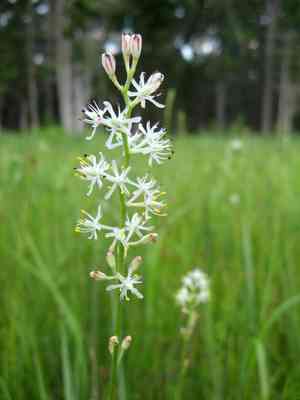
Coastal false asphodel (Triantha racemosa)
Also known as: False Asphodel, Bog Asphodel
Coastal false asphodel is notable for its slender, grass-like leaves and clusters of small, white flowers. This perennial herb flourishes in wet, marshy areas like bogs and wet meadows. It thrives in moist, acidic, and nutrient-poor soils, forming dense clumps that benefit from the consistent moisture. This specific habitat supports its growth, pollination, and seed dispersal mechanisms adapted to such soggy conditions.
In This Article
Attributes of Coastal false asphodel
Lifespan
Perennial
Plant Type
Herb
Plant Height
30-90 cm
Spread
Not applicable as it has a narrow, upright growth habit.
Leaf Color
Green
Flower Size
Approximately 1 cm
Flower Color
White
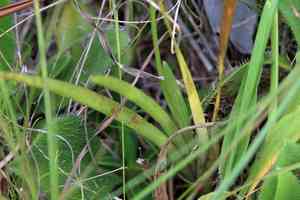
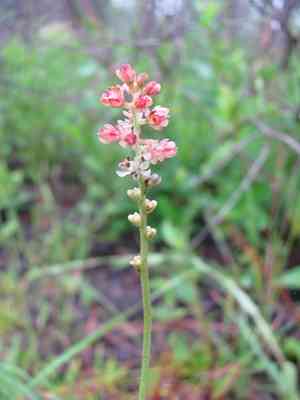
Images of Coastal false asphodel
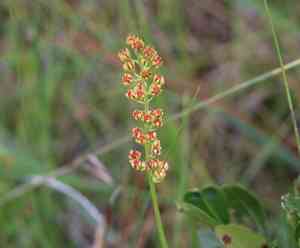
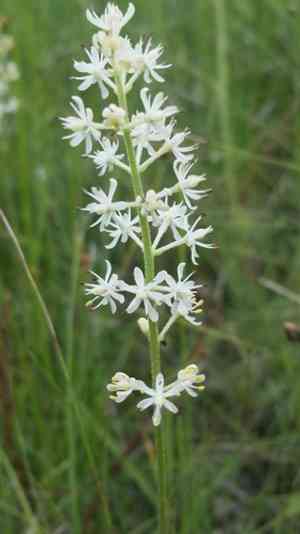
Quickly Identify Coastal false asphodel
1
Slender upright stems reaching 1-2 feet (30-60 cm) in height.
2
Clusters of star-shaped white to pale pink flowers with six tepals each.
3
Narrow linear leaves up to 6 inches (15 cm) long.
4
Fibrous root system anchoring firmly in calcareous soils.
5
Sticky, rough stem with occasional leaves, reaching up to 2 feet (60 cm) in length.
Scientific Classification of Coastal false asphodel
Phylum
Vascular plants
Class
Monocotyledons
Order
Alismatales
Family
Tofieldia
Genus
False asphodels
Species
Coastal false asphodel
Planting and Growing of Coastal false asphodel
Care Difficulty
Moderate
Watering Schedule
Every 4 days
Sunlight Requirements
Full sun
Sunshine Duration
4-8 hours
Ideal Temperature
70-80℉
Soil Type
Potting Mix, Peat Mix
Soil pH
4.5-6
Fertilizer Type
Balanced
Pruning Season
Spring, Summer
Pruning Area
Branches, Leaves
Pruning Frequency
2 times a year
Repotting Season
Spring
Pot Type
Terracotta, Plastic
 How to Water Coastal false asphodel?
The Triantha racemosa thrives when the soil is kept consistently moist, but not waterlogged. This translates to providing approximately 200 milliliters of water per session. Water should reach the middle layers of the soil, ensuring that the roots can effectively absorb the moisture without any oversaturation leading to root rot.
What are the symptoms of an underwatered Coastal false asphodel?
›
What should I do if my Coastal false asphodel is not getting enough water?
›
What are the symptoms of an overwatered Coastal false asphodel?
›
How to save an overwatered Coastal false asphodel?
›
 What Are the Sunlight Requirements for Coastal false asphodel?
Triantha racemosa should ideally receive full sun to partial sun, providing significant benefits like enhanced photosynthesis, robust growth, and disease resistance. Sufficient light ensures optimal blooming and an energy surplus, advancing the plant's overall development and health.
Why is sunlight important?
›
How can you achieve ideal conditions?
›
What benefits does ideal light provide?
›
 What Is the Ideal Temperature Range for Coastal false asphodel?
The ideal temperature range for growing Triantha racemosa is crucial for optimal growth and flowering. This plant flourishes in temperatures between 70°F and 80°F, where photosynthesis and metabolic processes can occur efficiently. Such conditions are similar to its native habitat, promoting healthy development and vibrant blossoms.
 What Soil is Best for Coastal false asphodel?
Triantha racemosa thrives in environments where the soil retains moisture well. This ensures the plant remains hydrated and reduces stress during dry spells, promoting overall vitality and growth. A nutrient-rich sandy or acidic soil provides essential minerals for Triantha racemosa, supporting robust growth and enhancing its flowering potential. Proper nutrients lead to a healthier plant with vibrant blooms. While the plant likes moist soil, good drainage prevents waterlogging, which can lead to root rot. Ensuring soil has good drainage is crucial for maintaining healthy root systems and preventing plant diseases.
 How to Fertilize Coastal false asphodel?
For Triantha racemosa, apply liquid fertilizer at half the recommended strength. Over-fertilizing can lead to excessive foliage growth at the expense of flowers. When using slow-release granules, aim for approximately one teaspoon per plant, evenly distributed around the base.
 How to Prune Coastal false asphodel?
Begin by examining the plant for any brown or wilting leaves, which should be removed first. Make clean cuts at the base of the plant to encourage upward growth. Trim around the edges, shaping the plant carefully, and cut back any overly long stems to maintain a balanced appearance. Ensure adequate spacing between clusters to improve airflow and prevent mold. While regular pruning is beneficial, over-pruning can stress the plant and hinder growth. Aim to remove no more than one-third of the plant’s foliage at a time. This prevents shock and encourages robust regrowth, maintaining the plant's health and vitality.
More About Pruning Techniques→
 How to Propagate Coastal false asphodel plant?
1
Collect seeds from mature Triantha racemosa plants when seed heads start to dry and turn brown. Gently shake seeds into a paper bag and store them in a cool, dry place until you're ready to plant.
2
Fill seed trays with sterile potting mix and scatter seeds over the surface. Lightly press seeds into the soil and cover with a thin layer of soil. Water gently and cover with a plastic lid to create a humid environment.
3
When dividing rhizomes, carefully dig up the plant and split the rhizomes using a sharp, sterilized knife. Each section should have at least one growth node. Replant immediately in prepared soil.
 How to Repot Coastal false asphodel plant?
1
Triantha racemosa signals its need for repotting when the roots begin to outgrow its current pot, wrapping around themselves or peeking through the drainage holes. Additionally, if the plant's growth seems stunted or the soil isn't retaining water well, it's a sign that repotting is necessary to refresh the growing environment.
2
Select a pot that is about 2 inches larger in diameter than the current one. Ideally, the pot should be made of terracotta or another porous material to allow moisture and air exchange. Having proper drainage holes is crucial to prevent waterlogging, a common issue that can lead to root rot.
3
For Triantha racemosa, choose a well-draining acidic soil mix. This type of soil mimics the plant's natural habitat, providing the right pH and moisture levels for optimal growth. Incorporating elements like peat, pine bark, or perlite can enhance drainage and aeration.



