How to Propagate Coastal false asphodel?
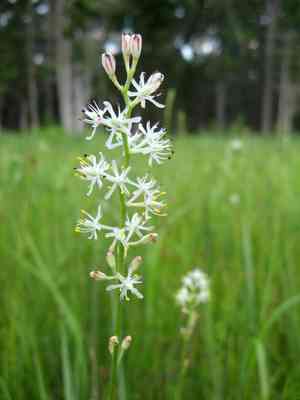
Coastal false asphodel flourishes in damp, acidic substrates frequently encountered in marshlands or humid grasslands. To propagate, utilize newly harvested seeds planted in a blend of sphagnum peat and sand, ensuring the growing medium remains perpetually hydrated. Seed sprouting is frequently enhanced by cold-stratifying the seeds for multiple weeks. Sustain a regulated setting to mimic natural circumstances and foster robust seedling growth.
Optimal Time for Coastal False Asphodel Propagation
Propagation Method
Seeding
Propagation Period
Spring
Tools for Coastal False Asphodel Propagation
Seed Trays
Seed trays offer a controlled setting for planting seeds. They facilitate uniform seed distribution and simplify the management and observation of germination.
Fine Seed Compost
Fine seed compost provides a well-draining, nutrient-rich medium crucial for the delicate seedlings of coastal false asphodel. This ensures young seedlings access necessary nutrients for healthy development.
Clear Plastic Propagation Lid
A clear plastic propagation lid helps maintain the humidity and warmth vital for successful germination of coastal false asphodel seeds. It creates a microclimate supporting the initial growth phase.
Spray Bottle
A spray bottle ensures gentle watering of coastal false asphodel seeds and seedlings without disturbance. Consistent moisture is critical for germination and early growth.
Labeling Stakes
Labeling stakes are essential for tracking different seed batches. They aid in identifying sown coastal false asphodel seeds and prevent confusion with other plants.
Heated Propagation Mat
A heated propagation mat delivers consistent bottom heat, which can accelerate germination and foster robust root development in coastal false asphodel.
Scalpel or Knife
A scalpel or knife can be utilized for precise cutting and handling of delicate coastal false asphodel seedlings when moving them from seed trays to their permanent growing spots.
Seed-Starting Fertilizer
A mild seed-starting fertilizer supplies vital nutrients to young coastal false asphodel seedlings, supporting their vigorous growth post-germination.
Propagating Coastal False Asphodel
Propagation Difficulty
Simple
Caring for Your Newly Propagated Coastal False Asphodel
Caring for Your Newly Propagated Coastal False Asphodel
Post-transplant, keep the soil consistently damp and gradually expose the young plants to more direct sunlight for hardening. Apply mulch around the base to retain moisture and suppress weeds. Monitor for pests or diseases, and provide a balanced fertilizer to encourage growth. Regularly check soil moisture as coastal false asphodel prefers moist conditions and adjust watering as needed.
Common Propagation Mistakes for Coastal False Asphodel
Overwatering
Excessive water can lead to root rot and fungal diseases, hindering the plant's growth and vitality.
Insufficient light
Inadequate light can result in weak, elongated growth, impacting overall plant vigor.
Poor soil drainage
Soil that drains poorly can cause waterlogging, leading to root decay and stunted development.
Using the wrong soil type
Employing soil that is too dense or overly rich in nutrients can disrupt the plant's natural growth processes, causing poor development.
Neglecting humidity needs
Ignoring the plant's requirement for a humid environment can lead to dehydrated and stressed plants.
Tips For Propagating Coastal False Asphodel
Use well-draining soil
Ensure the soil mix used provides adequate drainage to prevent waterlogging and root rot.
Maintain moderate humidity
Regularly mist the plant or use a humidity tray to help maintain the necessary humidity levels.
Offer bright, indirect light
Place the plant in a location where it receives ample bright, indirect light to promote healthy growth.
Avoid overfertilization
Use a balanced, diluted fertilizer sparingly to prevent nutrient overload and burn.
Keep soil consistently moist
Water regularly to keep the soil moist, but not waterlogged, ensuring optimal growing conditions.



