How to Transplant Nettle tree?
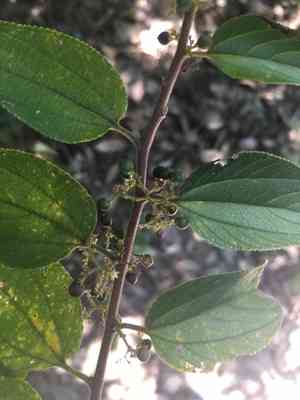
The ideal period for relocating nettle tree spans from early spring's thaw until the approach of summer, facilitating root development in temperate environments. Select a location offering generous illumination and soil that drains effectively, then carefully separate any coiled roots to foster outward expansion.
What Preparations are Needed Before Transplanting Nettle Tree?
What is the Ideal Time for Transplanting Nettle Tree?
The optimal period to move your nettle tree is from early spring's onset to the beginning of summer. This timeframe offers perfect conditions for the nettle tree to comfortably establish its root system, as mild weather supports new development. Placing them in their new spot during this phase ensures they'll have ample time to strengthen before summer's full intensity. Nettle tree thrives after relocation in this season due to the balanced warmth of the soil and moderate temperatures, which foster rapid root growth and lessen stress on young plants. Transplanting your nettle tree during this interval also leverages increasing daylight hours, promoting photosynthesis and vitality in your green companion. Furthermore, by transplanting before the summer heat, you provide your nettle tree a strong foundation to flourish, minimizing water stress and maximizing its potential for a beautiful display.
How Much Space Should You Leave Between Nettle Tree Plants?
To allow your nettle tree ample room for development, aim to space them approximately 10-20 feet (3-6 meters) apart. This spacing ensures they have sufficient area to expand and thrive without competing for essential resources. Happy planting!
What is the Best Soil Mix for Nettle Tree Transplanting?
For your nettle tree, prepare a suitable planting bed. Select well-draining soil and incorporate some aged compost or thoroughly rotted manure to provide an excellent start. This will aid in establishing a robust root system and support vigorous growth.
Where Should You Relocate Your Nettle Tree?
Sunshine benefits nettle tree, so select a location where it can receive full sun to partial shade. This will offer the best environment for your plant to flourish. Remember to verify that the chosen spot isn't excessively windy, which can be detrimental to your nettle tree.
What Equipments Should You Prepare Before Transplantation Nettle Tree?
Gardening Gloves
To safeguard your hands while handling soil and plants.
Spade or Shovel
For excavating the plant and creating a new planting hole.
Hand Trowel
Useful for more precise digging and relocating, especially for smaller specimens or seedlings.
Watering Can or Hose
To hydrate the nettle tree both prior to and following transplantation.
Pruning Shears
For trimming any damaged roots or foliage before the move.
Wheelbarrow or Garden Cart
To move the nettle tree from its original spot to the new location.
Mulch
To assist in retaining soil moisture around the newly planted site.
Stakes and Ties
For supporting the nettle tree if it is tall or top-heavy.
How Do You Remove Nettle Tree from the Soil?
How Do You Remove Nettle Tree from the Soil?
From Ground: First, moisten the nettle tree plant to dampen the soil. Next, dig a wide trench around the plant using a shovel or spade, being careful not to harm the root ball. Gently lift the plant from the ground, ensuring the root system remains as undisturbed as possible.From Pot: Begin by watering the nettle tree to make the soil moist. Invert the pot onto its side and gently tap or squeeze it to loosen the soil. Carefully ease the plant out by the base of the main stem, taking care not to pull on the plant and damage its structure.From Seedling Tray: Dampen the soil surrounding the nettle tree seedlings. Using a hand trowel or a dibber, carefully lift the seedling while holding a leaf rather than the stem to prevent damage. Ensure the roots and attached soil remain intact.
Step-by-Step Guide for Transplanting Nettle Tree
Preparation
Gather all necessary tools and ensure the nettle tree is adequately watered the day before the planned transplant to minimize shock and facilitate removal.
Space Selection
Choose a location in your garden that meets the nettle tree's growth requirements, considering its mature height and spread.
Hole Digging
Excavate a hole at the new site approximately twice the width of the nettle tree's root ball and of equal depth. This provides ample space for roots to spread and establish.
Plant Positioning
Carefully place the nettle tree into the hole, ensuring it stands upright and at the same depth it was previously growing. Backfill the hole with soil, gently firming it to eliminate air pockets.
Watering
Once transplanted, thoroughly water the nettle tree to settle the soil around the roots and help reduce plant stress.
Staking
If the nettle tree is tall or unstable, insert stakes around its perimeter and loosely tie the plant for support.
Mulching
Apply a layer of mulch around the base of the nettle tree to conserve moisture and moderate soil temperature fluctuations, keeping the mulch away from the trunk to prevent rot.
Monitoring
Over the subsequent days, observe the nettle tree, checking soil moisture and looking for signs of transplant shock such as wilting or leaf drop.
Adjustments
Make necessary adjustments to staking, tying, and watering as the nettle tree adapts to its new environment.
Ongoing Care
Continue to care for the nettle tree with regular watering and monitoring for pests or diseases until the plant is well-established.
How Do You Care For Nettle Tree After Transplanting?
Watering
Ensure the nettle tree receives sufficient water, especially during the initial weeks; the soil should stay moist but not waterlogged.
Stabilization
Regularly check supports and stakes to confirm they are securely holding the nettle tree and adjust as needed without harming the plant.
Observation
Monitor the nettle tree for any indications of distress, such as wilting or yellowing leaves, which might signal an issue with the transplanting process.
Protection
In the event of unexpected cold snaps or intense heat, provide the nettle tree with extra protection, such as frost cloth or shade covers, as necessary.
Troubleshooting Common Issues with Nettle Tree Transplantation.
What's the best time to transplant nettle tree?
The prime transplanting window for nettle tree is from the thaw of spring until the cusp of summer.
How far apart should I space nettle tree when transplanting?
Aim for a generous spread between plants, roughly 10-20 feet (3-6 meters), to ensure adequate room for growth.
How deep should the hole be for transplanting nettle tree?
Dig a hole that's twice as wide and just as deep as the root ball of nettle tree.
Can I transplant nettle tree on a windy day?
For the best success, transplant nettle tree on a calm day to protect delicate foliage and roots from stress.
How often should I water nettle tree after transplanting?
Water generously right after transplanting, then maintain moist soil, especially through the first few weeks.
Should I use fertilizer when transplanting nettle tree?
It's best to wait until nettle tree is established before fertilizing. Initially, focus on steady water and mulch.
What should I do with the roots before transplanting nettle tree?
Gently tease out the roots of nettle tree to encourage outward growth and better soil penetration.
How do I protect nettle tree after transplanting?
Mulch around the base of nettle tree to retain moisture and regulate soil temperature, but don't let it touch the trunk.
What are some signs of transplant shock in nettle tree?
Watch for wilting, yellowing leaves, or a lack of new growth, which can signal transplant shock.
Can I transplant nettle tree in soil with poor drainage?
It's crucial to improve drainage first or choose a spot with well-draining soil to avoid root rot.



