How to Prune Nettle tree?
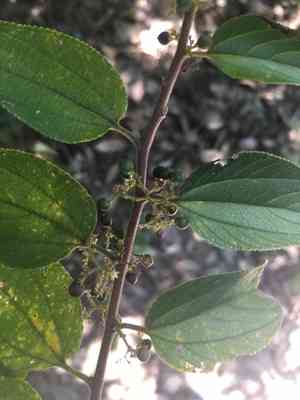
A rapidly developing, deciduous arboreal species featuring a broad crown, the nettle tree thrives with regular trimming. Essential methods include excising frail, ailing, or intersecting limbs, and sculpting the tree for optimal form and air circulation. Conduct pruning in late winter or early spring while the tree is inactive. This practice averts energy depletion and offers protection from infestations. Reducing the density of the canopy guarantees adequate sunlight and air access, which is crucial for robust development. Furthermore, pruning stimulates the emergence of fresh shoots and helps sustain the tree's intended dimensions.
What Are the Benefits of Pruning Nettle Tree?
What Are the Benefits of Pruning Nettle Tree?
Trimming nettle tree promotes robust development and helps maintain its desired form. By eliminating dead or overgrown limbs, nettle tree can direct energy towards producing strong new growth, ensuring a neat and healthy appearance.
What Is the Best Time for Pruning Nettle Tree?
What Is the Best Time for Pruning Nettle Tree?
Pruning or trimming nettle tree during late winter or early spring is recommended as these periods coincide with the plant's dormant phase, which minimizes stress and sap loss. Late winter pruning prepares nettle tree for vigorous spring growth by removing any dead or diseased wood, thereby enhancing air circulation and sunlight penetration. Early spring pruning, performed just before new growth begins, allows gardeners to shape the plant and manage its size more effectively without disrupting bloom or fruit production. This timing enables cuts to heal quickly with the flush of new growth, reducing the risk of disease and pest infestation. It's important to avoid pruning during the fall, as new growth might not have sufficient time to harden before the onset of cold weather.
What Tools Do I Need to Prune Nettle Tree?
Hand Pruners
For nettle tree's younger, smaller branches and shoots, hand pruners are essential. They allow for precise cuts and can easily handle branch diameters up to half an inch.
Lopping Shears
Nettle tree may have thicker branches that require more leverage to cut through. Lopping shears are ideal for these 1-2 inch diameter branches due to their long handles and greater cutting strength.
Pruning Saw
For mature nettle tree branches over two inches in diameter, a pruning saw is necessary. It allows for cutting larger branches cleanly without damaging the plant.
Hedge Shears
If nettle tree is maintained as a hedge or shaped for aesthetics, hedge shears are crucial for shaping and maintaining the desired form.
Pole Pruner
For reaching higher branches of nettle tree without the use of a ladder, a pole pruner provides the necessary reach to prune effectively and safely.
How to Prune Nettle Tree
Clean tools
Before beginning pruning, ensure all cutting tools are well-cleaned and properly sharpened to avoid transferring diseases to nettle tree and to make clean cuts that heal more quickly.
Inspect tree
Carefully inspect nettle tree for the presence of dead or diseased branches, which may appear dry, brittle, discolored, or have visible signs of fungal growth.
Remove dead
Using appropriate tools like pruning shears for smaller branches or a saw for larger ones, remove dead branches by cutting at the point where they join healthy wood, taking care not to damage the collar that helps form the wound seal.
Cut diseased
Prune diseased branches, cutting well below the affected area to ensure all parts of the disease are removed. If a branch is heavily diseased, it may be necessary to remove it entirely back to the main trunk.
Clean up
After completing the pruning of nettle tree, clean up all removed material by burning, discarding, or otherwise destroying it to prevent the spread of any disease that was present in the trimmed material.
Common Pruning Mistakes with Nettle Tree
Overzealous Pruning
Excessive pruning can shock nettle tree, leading to stunted growth or disease vulnerability. A good rule of thumb is never to remove more than one-third of the plant at a time.
Neglecting Tool Hygiene
Using dirty or blunt tools can introduce pathogens or cause jagged cuts, which can harm the nettle tree. Always clean and sharpen pruning tools before use.
Improper Cut Placement
Making cuts either too close or too far from the main stem can harm nettle tree. Pruning cuts should be made just above a leaf node or bud, allowing for proper healing and new growth.
Ignoring Plant Shape
Randomly cutting branches without considering the natural shape of nettle tree can lead to an undesirable and unhealthy plant structure.
Pruning Without a Goal
Pruning nettle tree without understanding the specific goal, be it removing dead wood, shaping, or encouraging flowering, can lead to unsatisfactory results and harm the plant.
Common Pruning Tips for Nettle Tree
Selective Pruning
Focus on removing only dead, damaged, or diseased wood, and thin out crowded areas to allow light and air to reach the inner parts of nettle tree for healthier growth.
Pruning for Shape
Maintain the natural shape of nettle tree by following the plant's existing structure. This involves selectively cutting branches to enhance the plant's form and encourage a strong framework.
Cut Technique
When pruning nettle tree, make clean cuts at a 45-degree angle approximately 1/4 inch above a bud facing the outside of the plant. This encourages water to run off the cut and promotes new growth outward.
Sterilize Pruning Tools
Before and after pruning nettle tree, sterilize the tools with a solution of 1 part bleach to 9 parts water to prevent the spread of diseases.
Regular Maintenance
Regularly inspecting and lightly pruning nettle tree can help catch problems early and maintain plant health. However, avoid over-pruning as it can be counterproductive.



