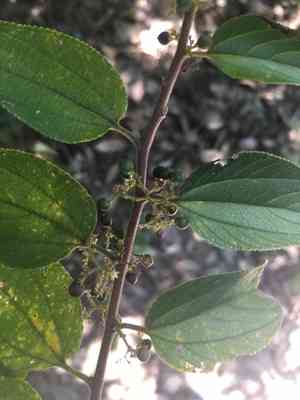
Nettle tree (Trema tomentosa)
Also known as: Charcoal-tree, Poison Peach
The nettle tree (Trema tomentosa) is known for its nettle-resembling leaves, which do not sting. It isn't cultivated commercially but has been traditionally harvested in the wild for its wood and fibrous branches. The tree produces small, dark berry-like drupes that various birds, such as pigeons and doves, enjoy eating.
In This Article
Attributes of Nettle tree
Lifespan
Perennial
Plant Type
Tree, Shrub
Plant Height
1 m to 5 m
Spread
2 to 6 meters
Leaf Color
Green
Flower Size
2 cm to 4.5 cm
Flower Color
Yellow Green
Images of Nettle tree
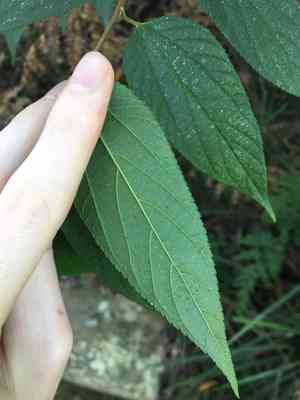
Quickly Identify Nettle tree
1
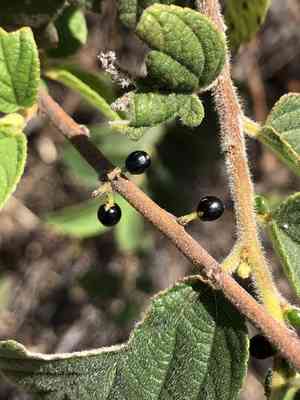
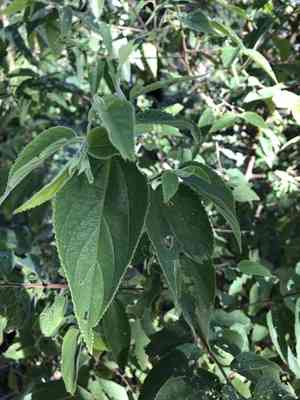
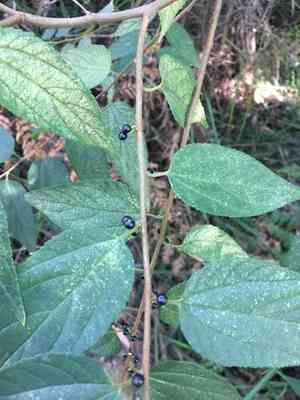
Identify Trema tomentosa by its downy, ovate leaves with serrated edges, small greenish flowers, and small black berries.
Scientific Classification of Nettle tree
Phylum
Vascular plants
Class
Dicotyledons
Order
Rosales
Family
Hemp
Genus
Trema
Species
Nettle tree
Planting and Growing of Nettle tree
Care Difficulty
Easy
Watering Schedule
Every 4 days
Sunlight Requirements
Partial sun
Sunshine Duration
4-8 hours
Ideal Temperature
65-85℉
Soil Type
Potting Mix, Peat Mix
Soil pH
6.5-7.5
Fertilizer Type
Balanced
Pruning Season
Spring, Summer
Pruning Area
Branches, Leaves
Pruning Frequency
2 times a year
Repotting Season
Spring
Pot Type
Plastic, Ceramic
 How to Water Nettle tree?
For Trema tomentosa, ensure that each watering session provides about 200 milliliters of water, enough to moisten the soil deeply without waterlogging it. The balance is crucial—moist soil is ideal while soggy conditions need to be avoided to prevent root rot.
What are the symptoms of an underwatered Nettle tree?
›
What should I do if my Nettle tree is not getting enough water?
›
What are the symptoms of an overwatered Nettle tree?
›
How to save an overwatered Nettle tree?
›
 What Are the Sunlight Requirements for Nettle tree?
Trema tomentosa thrives best under partial to full sun, benefiting from 6 to 8 hours of sunlight daily. Ideal lighting ensures sturdy growth and vibrant foliage, enhancing the plant's natural characteristics.
The Best Location for Trema tomentosa
›
Ensuring Sufficient Daily Sunlight
›
Protecting from Harsh Direct Sunlight
›
 What Is the Ideal Temperature Range for Nettle tree?
The ideal temperature range for Trema tomentosa lies between 65°F and 85°F. In this range, the plant experiences optimal growth conditions, as it aligns with its natural habitat's warm and temperate climate. At these temperatures, the plant's photosynthesis processes and metabolic activities function efficiently, contributing to robust growth and development. These temperatures mimic the subtropical environments to which Trema tomentosa is naturally adapted, facilitating healthy foliage and flowering.
 What Soil is Best for Nettle tree?
Trema tomentosa thrives in well-drained soils which prevent root rot and waterlogging. This condition ensures healthy root development and aids in better nutrient absorption, promoting overall plant vitality. The plant benefits from soils rich in organic matter, which enhances its growth. Nutrients from decomposed organic material provide essential elements like nitrogen and phosphorus, crucial for leaf and flower development. While well-drained, the soil should also retain adequate moisture to sustain Trema tomentosa during dry spells. This balanced moisture availability supports steady growth and resilience against drought conditions.
 How to Fertilize Nettle tree?
Trema tomentosa benefits from a balanced fertilization approach. Use a liquid fertilizer diluted to half its recommended strength, approximately 1-2 teaspoons per gallon of water. For solid fertilizers, a light top dressing of about 1-2 tablespoons per plant is ideal.
 How to Prune Nettle tree?
When pruning Trema tomentosa, begin by identifying any dead, damaged, or diseased branches. Use clean, sharp pruning shears to make cuts at a 45-degree angle just above a node or outward-facing bud. This encourages new growth outward and maintains the plant's natural shape. Don't be afraid to remove about a third of the growth to keep the plant from getting too leggy. To maintain the desired shape and size of Trema tomentosa, focus on trimming excess growth during the growing seasons. This may involve cutting back longer branches that protrude beyond the plant’s natural form. Remember, shaping should enhance the aesthetic appeal of the plant while ensuring it doesn't become overcrowded or imbalanced.
More About Pruning Techniques→
 How to Propagate Nettle tree plant?
1
Fill your seed tray with the potting mix, ensuring it's evenly spread and lightly packed. Moisten the mix without making it overly saturated, as this helps encourage germination.
2
Place the Trema tomentosa seeds on the surface of the potting mix. Lightly cover them with a fine layer of soil to maintain moisture and temperature conditions optimal for germination.
3
Place the seed tray in a warm, sunny location. You may use a plastic cover or glass to maintain humidity but ensure some ventilation to prevent fungal growth.
 How to Repot Nettle tree plant?
1
You should consider repotting Trema tomentosa when you notice roots emerging from the drainage holes, stunted growth, or if the soil doesn't retain moisture effectively. Early spring or summer are ideal times, allowing the plant to recover in warm conditions.
2
Select a pot that is 2-3 inches larger in diameter than the current one. A pot with adequate drainage holes is essential to prevent water stagnation and root rot. Ensure it is made of breathable material like terracotta, which helps in moisture regulation.
3
Opt for a well-draining potting mix with organic matter. This ensures good aeration for the roots and retains the necessary moisture without becoming waterlogged. A mix of peat, perlite, and pine bark serves this plant well.
Learn More About Nettle tree Diseases
Anthracnose
Bacterial Leaf Spot
Crown Gall
Cyst Nematode
Damping-off
Downy Mildew
Drought Stress
Fusarium Wilt
Gray Mold
Leaf Curl
Leaf Spot
Mosaic
Nutrient Deficiency
Nutrient Toxicity
Powdery Mildew
Root Rot
Root-knot Nematode
Rusts
Sooty Mold
Spider Mites
Temperature Stress
Thrips Damage
White Mold



