How to Transplant Western poison ivy?
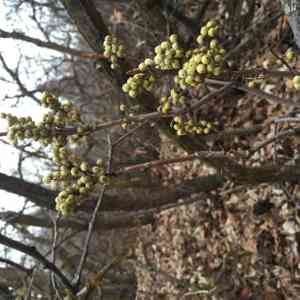
The optimal period for relocating western poison ivy is from early to mid-spring, as climatic factors are conducive to root development. Select a site featuring adequately draining earth, offering partial to complete shade, and always exercise caution when handling western poison ivy to prevent dermal discomfort.
What Preparations are Needed Before Transplanting Western Poison Ivy?
What is the Ideal Time for Transplanting Western Poison Ivy?
The prime period for relocating western poison ivy is in early spring. This timing offers a stable environment, allowing western poison ivy to establish its root structure prior to summer's heat. By settling during this mild season, western poison ivy benefits from damp soil and cooler temperatures, promoting vigorous growth and minimizing transplant shock. Seize this opportunity to give your western poison ivy a strong start in its new spot!
How Much Space Should You Leave Between Western Poison Ivy Plants?
For your western poison ivy plant, ensure each has ample room to flourish. Aim to position individual plants 10-15 feet (3-4.5 meters) apart. This spacing will facilitate healthy, unhindered development. Remember, larger plants require more territory!
What is the Best Soil Mix for Western Poison Ivy Transplanting?
Western poison ivy thrives in well-drained sandy or loamy soil with an acidic to neutral pH. Prior to planting, incorporate a balanced slow-release fertilizer, such as a 10-10-10 blend, into the bottom of the hole. This will provide your plant with a nutritional boost.
Where Should You Relocate Your Western Poison Ivy?
Western poison ivy enjoys sunlight but can tolerate some partial shade. Therefore, select a garden area that receives a healthy mix of sun and shade. This combination of light will contribute to the health and growth of your western poison ivy.
What Equipments Should You Prepare Before Transplantation Western Poison Ivy?
Gardening Gloves
Worn when handling the plant to prevent skin irritation due to potential allergic reactions to western poison ivy.
Garden Shovel
A tool utilized for digging the earth to extract and place the western poison ivy.
Gardening Trowel
A smaller hand implement necessary for digging in confined spaces.
Pruner
Required for trimming any unhealthy roots.
Wheelbarrow
Useful for moving the plant and soil.
Watering Can
Needed to hydrate the plant before and after relocation.
Burlap
Used to wrap the plant's root ball during relocation to minimize root exposure and damage.
How Do You Remove Western Poison Ivy from the Soil?
How Do You Remove Western Poison Ivy from the Soil?
From Ground: Begin by watering the western poison ivy plant a few days before transplant day to moisten its surrounding soil. Use the shovel to create a trench around the plant that is wide and deep enough to encompass the plant's root ball. Carefully lift the plant, ensuring the root ball remains intact.From Pot: First, water the plant thoroughly. Then, turn the pot on its side, gently hold the western poison ivy at its base, and tap it loose instead of pulling, which could harm it.From Seedling Tray: If the plant is in a seedling tray, dampen the soil and gently push the plant from underneath the tray, catching it by its leaves.
Step-by-Step Guide for Transplanting Western Poison Ivy
Preparation
Prepare the new site by digging a hole twice the width and slightly deeper than the root ball. Line the bottom with a layer of compost for added nutrients.
Placement
Position the western poison ivy in the hole, ensuring the top of the root ball is level with the ground. Fill the space around the root ball with soil, pressing down gently to eliminate air pockets.
Water
Water the plant thoroughly, making sure the water reaches the roots. Ensure the soil settles but avoid excessive compaction.
Mulch
Conserving moisture will aid the western poison ivy's growth. Apply a layer of organic mulch around the base, but not touching the stem.
How Do You Care For Western Poison Ivy After Transplanting?
Watering
Maintain consistent moisture in the weeks following transplantation, but prevent overwatering to avoid root rot.
Pruning
Trim any damaged, dead, or diseased branches to direct the plant's energy towards survival and growth.
Pest Monitoring
Closely observe the western poison ivy for any indications of pest infestation or disease. Early detection and treatment can save your plant.
Ongoing Care
Western poison ivy is a low-maintenance plant, but regular checks of its water needs, mulch levels, and overall health will ensure it remains vibrant and thrives in its new location.
Troubleshooting Common Issues with Western Poison Ivy Transplantation.
What's the ideal time to transplant western poison ivy?
The best time to move western poison ivy is typically during the 'S1-S2' season. This period provides this perennial plant with the right conditions for proper root development and growth.
What is the optimal spacing for western poison ivy when transplanting?
For western poison ivy, it's best to place them at a distance of around 10-15 feet (3-4.5 meters). This generous space allows each plant to grow without struggling for nutrients.
How deep should the hole be for transplanting western poison ivy?
Dig a hole that's twice as wide and equal in depth to the root ball. That's usually about 10 inches (25 cm). This gives the roots enough room to spread and grow.
Do I need to add specific additives to the soil when transplanting western poison ivy?
Western poison ivy isn't picky about soil types, but likes a well-draining one. While not mandatory, a bit of compost can boost its growth by improving soil's consistency and nutrient content.
What should I do if I notice my transplanted western poison ivy wilting?
If you witness your western poison ivy wilting, ensure you are keeping the soil moist, not wet. Too much water can cause roots to suffocate, whereas too little can dehydrate your plant.
How much sunlight does a transplanted western poison ivy need?
Western poison ivy enjoys a good mix of sun and shade. Generally, they perform well when exposed to morning sun or partial shade in the afternoon.
What care does western poison ivy require right after transplanting?
Western poison ivy needs frequent watering right after transplanting until it establishes a proper root system. Trim any broken or damaged roots before planting for better recovery.
Do I need to stake or support my transplanted western poison ivy?
Western poison ivy typically doesn't need staking as it's mainly a ground cover plant. However, if you observe its branches growing vertically and appearing unstable, a stake might be beneficial.
Should I prune my western poison ivy after transplanting?
Pruning right after transplanting is not necessary. Instead, allow western poison ivy to adjust to the new environment. You can prune off any dead or unhealthy branches after the plant has settled.
How to handle pest issues in transplanted western poison ivy?
While western poison ivy is relatively pest-resistant, in case of any pests, you may use an insecticidal soap. Remember, excessive use can harm the plant, so apply sparingly and only when needed.



