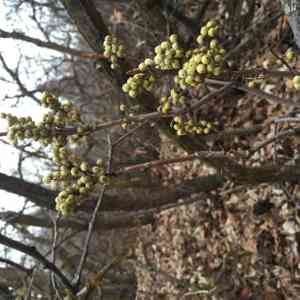
Western poison ivy(Toxicodendron rydbergii)

Western poison ivy (Toxicodendron rydbergii)

Also known as: Northern poison ivy

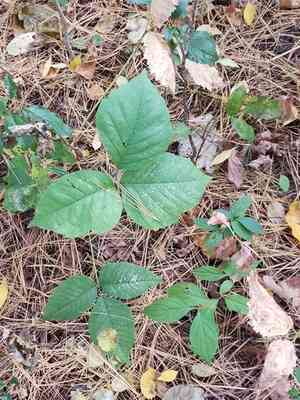
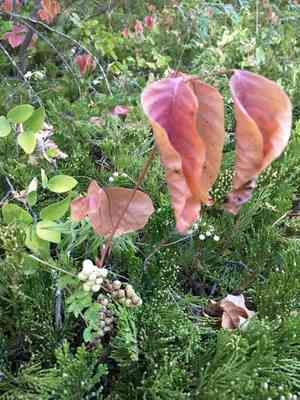
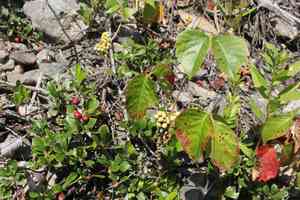
Western poison ivy (Toxicodendron rydbergii) is a perennial shrub that can also grow as a low groundcover. It features small, greenish flowers in the spring, which develop into white or yellowish berries by fall. These berries often stay on the plant throughout the winter. The plant's leaves are typically arranged in clusters of three and change color with the seasons—green in spring and summer, and vivid red, orange, or yellow in the fall.

The plant's oils, particularly urushiol, are highly allergenic and can cause severe skin irritation, leading to itchy rashes and blisters upon contact. It thrives in both sunny and partially shaded environments. Direct contact with the plant, as well as indirect contact via contaminated objects or pet fur, can trigger allergic reactions. Additionally, inhaling smoke from burning the plant can result in serious respiratory issues.

Taking precautions such as wearing protective clothing and washing exposed skin promptly can help prevent these reactions.

Attributes of Western poison ivy

Lifespan
Perennial
Plant Type
Herb, Shrub
Plant Height
1 m to 3 m
Spread
0.5-1 meters (1.5-3 feet)
Leaf Color
Green Yellow Red Bronze
Flower Size
6 mm
Flower Color
Yellow White Green

ForwardPlant - Identify plants with a snap

Identify and diagnose plants, get toxicity alerts, and explore safety guides for all types of fungi.

Try for Free

Images of Western poison ivy

Western poison ivy(Toxicodendron rydbergii)

Quickly Identify Western poison ivy

1
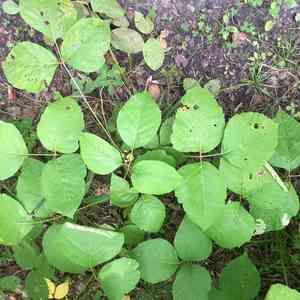
The plant can be identified by its trifoliate leaves, which means each leaf is composed of three leaflets. The edges of the leaflets can be smooth, toothed, or lobed. It usually grows as a small shrub or a climbing vine. The leaves can change color from green to red or orange, especially in the fall.

Scientific Classification of Western poison ivy

Phylum
Vascular plants
Class
Dicotyledons
Order
Sapindales
Family
Cashew
Genus
Toxicodendron
Species
Western poison ivy

Planting and Growing of Western poison ivy

Care Difficulty
Hard
Watering Schedule
Every day
Sunlight Requirements
Partial sun
Sunshine Duration
6-10 hours
Ideal Temperature
60-75℉
Soil Type
Potting Mix, Peat Mix
Soil pH
6.5-7.5
Fertilizer Type
Balanced
Pruning Season
Spring, Summer
Pruning Area
Branches, Leaves
Pruning Frequency
Once a year
Repotting Season
Spring
Pot Type
Plastic, Ceramic

water icon How to Water Western poison ivy?

The amount of water should be enough to moisten the soil without leaving it soggy. Aim for around 250 milliliters, ensuring the water reaches the roots but does not pool on the surface. The key principle is to allow the soil to dry out slightly between waterings in order to prevent root rot.
What are the symptoms of an underwatered Western poison ivy? ›
What should I do if my Western poison ivy is not getting enough water? ›
What are the symptoms of an overwatered Western poison ivy? ›
How to save an overwatered Western poison ivy? ›

sunlight icon What Are the Sunlight Requirements for Western poison ivy?

Sunlight Requirements: Partial sun
Duration of light: 4 to 6 hours
Partial sun to partial shade is ideal, offering a balance that supports healthy growth. Adequate light encourages lush foliage and robust development.
Ideal Light Duration ›
Solution for Ideal Lighting ›
Benefits of Ideal Light ›

temperature icon What Is the Ideal Temperature Range for Western poison ivy?

Ideal Temperature: 60 ~ 75℉
Toxicodendron rydbergii thrives best in temperatures between 60°F and 75°F. This range provides the optimal conditions for growth and development, ensuring that the plant can effectively carry out photosynthesis, nutrient absorption, and other vital processes without thermal stress.

soil icon What Soil is Best for Western poison ivy?

Soil type: Loam, Sandy loam, Acidic soil
Soil PH: 6.5 ~ 7.5
Toxicodendron rydbergii thrives in well-draining soil which prevents water from accumulating around the roots. This helps to minimize root rot and ensures healthy plant growth, making it better equipped to flourish in its natural habitat. The plant prefers soils with moderate nutrient availability, which supports optimal foliage and robust growth. This balance helps the plant maintain its robustness without the issues of over-fertilization. The presence of organic matter enhances soil structure and retains moisture levels suitable for the plant. It ensures a nutritious foundation for growth, mimicking the plant's native ecosystem.

fertilize icon How to Fertilize Western poison ivy?

Fertilizer type: Balanced
When it comes to fertilizing Toxicodendron rydbergii, it's important to provide a balanced amount. For liquid fertilizers, use about 1 tablespoon per gallon of water. For granular fertilizers, no more than a half-cup per plant, lightly sprinkled around the base, should suffice. Too much can harm the plant, and too little will undernourish it.

prune icon How to Prune Western poison ivy?

Pruning Time: Spring, Summer, Autumn
During pruning, the first step is to identify any dead or diseased branches. These can be recognized by their brittle appearance or discoloration. Use sanitized pruning shears to cut them at the base, encouraging healthy new growth. To maintain a desirable shape, selectively prune branches that are excessively sprawling or crossing each other. Make clean cuts at a 45-degree angle just above a node to promote new growth and ensure balanced development.

propagate icon How to Propagate Western poison ivy plant?

Propagate Time: Early spring, Late spring
1
Collect fresh seeds from mature Toxicodendron rydbergii plants in the autumn. Soak them in warm water for 24 hours to soften the seed coat and promote quicker germination.
2
Select healthy, mature stems for cuttings. Cut 4-6 inches long sections, ensuring each has several nodes. Remove leaves from the lower half, and dip the cut end in rooting hormone for better results.
3
For seeds, plant them in a seed tray filled with a well-draining medium. For cuttings, insert into the soil to a depth of about two inches. Water thoroughly immediately after planting and maintain consistent moisture.

repot icon How to Repot Western poison ivy plant?

Repotting frequency: Every 2-3 years
1
Observe signs like roots growing out of drainage holes, slow growth, or compacted soil. These indicate it's time for a new pot. The best time for repotting Toxicodendron rydbergii is during its active growth in spring or summer.
2
Select a pot that's about 2 inches larger in diameter than the current one. Ensure it has good drainage holes to prevent waterlogging. A slightly bigger pot helps in root development and provides space for nutrient-rich soil, thereby supporting healthy plant growth.
3
Opt for a well-drained loam mix. It ensures adequate moisture retention without risking root rot. A balanced loam mix provides essential nutrients while allowing excess water to escape, creating an optimal growing environment.

ForwardPlant - Identify plants with a snap

Find the best spots for them to optimize their health, simply using your phone.

Try for Free

Toxicity of Western poison ivy

Is Western poison ivy toxic to humans?

"Leaves grouped in threes, let them be." Western poison ivy is extremely toxic and can provoke irritation even from the lightest contact. Exposure to the toxins from western poison ivy may lead to symptoms such as itching, swelling, a rash, and blistering in individuals who are prone to such reactions. The culprit behind this toxicity is urushiol, a harmful compound that exists throughout the plant, with particularly high concentrations found in the sap. Therefore, it is crucial to avoid direct interaction with any damaged parts of the plant. Additionally, it’s important to recognize that the oils from western poison ivy can remain potent for an extended period after being removed from the plant, spreading irritating agents to various surfaces. Moreover, if the plant is burned, the resulting smoke can pose a risk of toxicity to the delicate linings of the mouth and throat.

Is Western poison ivy toxic to cat?

Western poison ivy poses a significant toxin risk to cats, forming a danger if ingested inadvertently. The fruits, leaves, and roots of this plant harbour compounds that can be harmful to felines, particularly when these plant parts are chewed or consumed. After ingestion, cats might show a range of distressing symptoms. Cat owners should remain alert to the potential presence of western poison ivy in areas where their pets can roam freely. If poisoning is suspected, it is crucial to seek prompt veterinary assistance to lessen possible health hazards and ensure suitable treatment.

Is Western poison ivy toxic to dog?

Western poison ivy represents a considerable threat to dogs due to its poisonous properties. Canines may experience poisoning from western poison ivy if they ingest any part of the plant, especially the fruits, leaves, or roots. This ingestion frequently happens accidentally while dogs are exploring their surroundings and may chew on or consume various plant parts they encounter. Following the consumption of western poison ivy, dogs might display a range of symptoms that indicate poisoning. These symptoms may encompass gastrointestinal disturbances, such as vomiting and diarrhea, skin irritation, and potentially more serious reactions based on the amount ingested. It is essential for dog owners to keep a vigilant eye on their pets and restrict their access to areas where western poison ivy flourishes. If there is any suspicion that a dog has been poisoned by western poison ivy, it is vital to seek immediate veterinary assistance to secure the best potential outcome for the affected animal.

Identify toxic plants for your safety

Learn which plants are harmful to you and your pets, and make informed choices for a safer home!

Try for Free
WARNING
The judgment on toxicity and danger is for reference only. We DO NOT GUARANTEE any accuracy of such judgment. Therefore, you SHALL NOT rely on such judgment. It is IMPORTANT TO SEEK PROFESSIONAL ADVICE in advance when necessary.
More About Toxic Techniques→