How to Transplant Parry's tetracoccus?
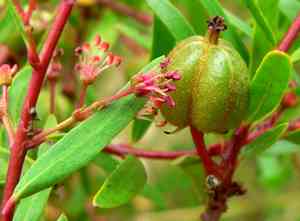
Parry's tetracoccus flourishes most effectively when relocated between early and late spring, benefiting from ideal growing circumstances. Select a bright, adequately draining spot to guarantee successful rooting. Evaluate the need to enrich the soil with organic material if required.
What Preparations are Needed Before Transplanting Parry's Tetracoccus?
What is the Ideal Time for Transplanting Parry's Tetracoccus?
The best period for relocating parry's tetracoccus spans from early to late spring. During this time, ground temperatures and moisture levels are perfect for root development, encouraging robust growth. Moving it in spring allows the plant the full growing season to strengthen and adapt, leading to a healthier, more resilient perennial.
How Much Space Should You Leave Between Parry's Tetracoccus Plants?
When moving parry's tetracoccus, position plants 3-5 feet (0.9-1.5 meters) apart. This provides ample room for healthy development and good air circulation.
What is the Best Soil Mix for Parry's Tetracoccus Transplanting?
Prepare soil that drains well, ideally sandy or rocky. Mix a balanced, slow-release fertilizer into the soil to supply parry's tetracoccus with vital nutrients.
Where Should You Relocate Your Parry's Tetracoccus?
Select a sunny spot for transplanting parry's tetracoccus. This perennial thrives best with at least 6 hours of direct sunlight daily.
What Equipments Should You Prepare Before Transplantation Parry's Tetracoccus?
Gardening Gloves
To safeguard your hands while handling soil and the plant.
Shovel or Spade
For digging and lifting the plant from its original spot.
Trowel
To assist with digging and moving in confined areas.
Watering Can or Hose
To hydrate the plant and moisten the soil before and after relocation.
Pruning Shears
To trim damaged roots or branches during the transplanting process.
Wheelbarrow or Bucket
To transport the plant if necessary.
Mulch
To retain moisture and regulate soil temperature around the newly planted specimen.
How Do You Remove Parry's Tetracoccus from the Soil?
How Do You Remove Parry's Tetracoccus from the Soil?
From Ground: First, water the parry's tetracoccus plant to moisten the soil. Then, dig a wide trench around the plant using a shovel or spade, ensuring the plant's root ball stays intact. Carefully work the spade beneath the root ball to lift the plant from its initial location.From Pot: Water the parry's tetracoccus plant to loosen the soil. Gently tilt the pot on its side and tap the bottom to slide the plant out. If it's stuck, run a trowel along the pot's edge to free the soil.From Seedling Tray: Water the seedlings to facilitate removal. Use a trowel or your fingers to gently lift each seedling, making sure to support the root ball and avoid damaging the roots.
Step-by-Step Guide for Transplanting Parry's Tetracoccus
Prepare the New Site
Choose an appropriate location for your parry's tetracoccus plant, ensuring it has ample room to grow.
Dig the Hole
Excavate a hole in the new site that is twice as wide and the same depth as the plant's root ball.
Relocate the Plant
Carefully place the parry's tetracoccus plant into the hole, making sure it sits at the identical depth as its original planting.
Backfill the Hole
Refill the hole with soil, gently compacting it to eliminate air pockets around the roots.
Water the Plant
Thoroughly water the parry's tetracoccus plant immediately after transplanting to help settle the soil and lessen transplant shock.
Apply Mulch
Add a layer of mulch around the plant's base to help retain moisture and regulate soil temperature.
How Do You Care For Parry's Tetracoccus After Transplanting?
Watering
Keep the soil around the parry's tetracoccus consistently damp, but not waterlogged, for the initial weeks post-transplant to aid in strong root establishment.
Pruning
Remove any damaged or dead foliage and stems to help the plant direct its energy towards establishing roots in its new spot.
Monitoring
Observe the parry's tetracoccus plant for indications of stress such as wilting or yellowing leaves, and adjust care as needed.
Protection
If necessary, provide temporary shade or wind protection to help the plant acclimate to its new surroundings.
Troubleshooting Common Issues with Parry's Tetracoccus Transplantation.
When is the best time to transplant parry's tetracoccus?
The optimal period for relocating parry's tetracoccus is from early to late spring.
How much space should I allow between parry's tetracoccus plants?
Ensure to space parry's tetracoccus plants 3-5 feet (0.9-1.5 meters) apart for ideal growth.
What soil conditions does parry's tetracoccus prefer?
Parry's tetracoccus thrives in well-draining soil with a neutral to slightly acidic pH.
How should I prepare the soil before transplanting parry's tetracoccus?
Loosen the soil 12 inches (30 cm) deep and incorporate compost to enrich it.
Should I water parry's tetracoccus immediately after transplanting?
Yes, provide parry's tetracoccus with a thorough watering after transplanting to aid root establishment.
What should I do if parry's tetracoccus looks wilted after transplanting?
Ensure parry's tetracoccus receives adequate water and is shielded from intense sunlight for the first week.
How can I protect parry's tetracoccus from transplant shock?
Relocate parry's tetracoccus in the early morning or late afternoon to prevent heat stress.
Is mulching beneficial after transplanting parry's tetracoccus?
Yes, mulching helps retain moisture and regulate soil temperature for parry's tetracoccus.
How deep should I plant parry's tetracoccus during transplanting?
Plant parry's tetracoccus at the same depth it was growing in its previous spot.
What should I do if parry's tetracoccus doesn't show new growth?
Check soil moisture, ensure proper light, and avoid over-fertilizing to encourage new growth.



