How to Propagate Parry's tetracoccus?
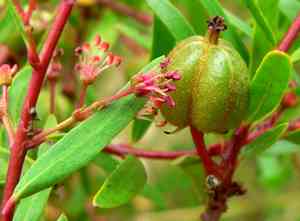
Tetracoccus parryi is an uncommon woody plant indigenous to stony, sandy ground and dry regions, flourishing in porous growing mediums. The most effective method for propagation entails utilizing semi-hardwood cuttings, making certain of a precise incision and an application of rooting stimulant to foster root formation. Sustaining elevated humidity and steady hydration without oversaturation is vital during the initial phases. Employ a sandy, free-draining potting blend to prevent root decay and encourage robust development.
When Is the Optimal Time to Propagate Parry's Tetracoccus?
Propagation Type
Cutting
Propagation Season
Spring,Summer
What Tools Are Utilized for Parry's Tetracoccus Propagation?
Sharp Pruning Shears
Sharp pruning shears are essential for obtaining clean, precise cuttings from parry's tetracoccus. Clean cuts minimize the risk of infection and harm to plant tissue, enhancing the likelihood of successful rooting.
Rooting Hormone
Rooting hormone stimulates root development on parry's tetracoccus cuttings. This substance, available as powder, gel, or liquid, aids in initiating quicker and more robust root growth, vital for the plant's establishment.
Sterile Potting Medium
A sterile potting medium, such as a blend of peat and perlite, provides parry's tetracoccus cuttings with a disease-free environment rich in aeration and drainage, crucial for root formation.
Spray Bottle with Water
Maintaining appropriate humidity levels is crucial for parry's tetracoccus cuttings. A spray bottle helps keep cuttings moist without waterlogging, mimicking the moisture needs for rooting.
Propagation Tray with Dome
A propagation tray with a clear dome assists in creating a controlled microenvironment for parry's tetracoccus cuttings. This setup maintains high humidity and consistent temperatures, critical for root initiation and growth.
Heat Mat
A heat mat can be placed beneath the propagation tray to provide bottom heat, which helps maintain the ideal soil temperature for root development in parry's tetracoccus cuttings, especially in cooler climates or during colder months.
Labeling Stakes
Labeling stakes are beneficial for tracking different cuttings when propagating multiple plants. This ensures proper care and monitoring of parry's tetracoccus throughout the propagation phase.
How to Propagate Parry's Tetracoccus?
Propagation Type
Moderately Difficult
How to Care for Your Newly Propagated Parry's Tetracoccus?
How to Care for Your Newly Propagated Parry's Tetracoccus?
Once roots have formed (typically after several weeks), gradually introduce the new parry's tetracoccus plant to a less humid environment. Transplant it into a larger container with well-draining soil. Ensure it receives ample sunlight and water it sparingly. Monitor for signs of pests or diseases, and provide occasional fertilization to support healthy growth.
Common Mistakes to Avoid When Propagating Parry's Tetracoccus
Overwatering
Excessive moisture can lead to root rot and fungal problems. Parry's tetracoccus is adapted to arid conditions, and too much water can suffocate its roots.
Improper Soil Choice
Using dense, poorly draining soil can hinder root growth and cause moisture retention issues. Parry's tetracoccus prefers well-draining, sandy or rocky soil.
Incorrect Light Exposure
Insufficient light can result in weak growth and poor plant health. Parry's tetracoccus requires full sun exposure to thrive.
Neglecting Temperature Requirements
Exposing parry's tetracoccus to prolonged cold or frost can damage or kill the plant as it is accustomed to warmer climates.
Inadequate Spacing
Planting parry's tetracoccus too closely can lead to competition for resources and poor air circulation, promoting disease.
Tips For Propagating Parry's Tetracoccus
Soil Preparation
Utilize a well-draining mix, combining sand or grit with regular potting soil to emulate natural conditions.
Water Management
Water sparingly, allowing the soil to dry out between waterings to prevent root rot.
Lighting
Ensure the plant receives full sun exposure, ideally at least 6 hours of direct sunlight daily.
Temperature Control
Maintain a warm environment, avoiding prolonged exposure to temperatures below freezing.
Spacing
Plant parry's tetracoccus with sufficient space between each to ensure good air flow and reduce resource competition.
Root Care
Handle roots gently during transplantation to avoid damage and facilitate better establishment.



