How to Transplant Black-myrobalan?
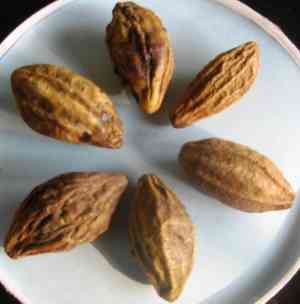
Relocate black-myrobalan from its winter sanctuary to its spring position between mid-winter and mid-spring. Select a site that receives ample sunlight and offers protection from strong gusts. Bear in mind, these plants flourish in warm, adequately drained earth, so choose an area where water does not accumulate!
What Preparations are Needed Before Transplanting Black-myrobalan?
What is the Ideal Time for Transplanting Black-myrobalan?
The optimal period for relocating black-myrobalan is during the tranquil, cool start of the growing seasonâfrom late winter's chill to the emerging warmth of spring. Moving black-myrobalan at this time leverages milder temperatures and ample soil moisture, fostering an ideal setting for root establishment and recovery from stress, paving the way for robust growth as summer approaches. The cooler climate minimizes water loss, reducing transplant shock and promoting vigorous health in black-myrobalan, ensuring your gardening efforts are fruitful. It's the perfect combination of conditions for black-myrobalan to flourish!
How Much Space Should You Leave Between Black-myrobalan Plants?
Greetings! Before placing black-myrobalan in its new spot, you'll want to give them ample room. Aim for approximately 20-30 feet (6-9 meters) apart. This provides each plant sufficient space to expand and thrive without competing for nutrients and sunlight.
What is the Best Soil Mix for Black-myrobalan Transplanting?
Now, let's get the ground ready for black-myrobalan's roots! They prefer well-draining soil enriched with organic material. Consider blending in some compost or a balanced slow-release fertilizer to give them the strong start they need.
Where Should You Relocate Your Black-myrobalan?
Regarding sunlight, black-myrobalan is quite fond of it. Choose a location where they will receive full sun for most of the day. This means avoiding heavily shaded areas. This sunny spot will keep black-myrobalan radiating with vitality.
What Equipments Should You Prepare Before Transplantation Black-myrobalan?
Gardening Gloves
To safeguard your hands while handling soil and plants.
Spade or Shovel
For digging the plant from its original spot and preparing the new planting site.
Wheelbarrow or Garden Cart
To move the plant and soil without straining your back.
Pruning Shears
To trim any damaged or overly long roots prior to transplanting.
Watering Can or Hose
To thoroughly water the plant before and after its relocation.
Mulch
To help maintain soil moisture and regulate temperature around the black-myrobalan's roots after transplant.
Stakes or Supports
To offer stability to the black-myrobalan if it is tall or top-heavy.
How Do You Remove Black-myrobalan from the Soil?
How Do You Remove Black-myrobalan from the Soil?
From Ground: First, hydrate the black-myrobalan plant to moisten the soil, making root extraction easier. Next, dig a broad, shallow trench around the plant using a spade or shovel, being careful not to cut through the root ball. Gradually work the tool beneath the root ball to loosen it from the soil and gently lift the plant out.From Pot: Water the black-myrobalan in its container before beginning. Turn the pot on its side and gently tap the edges and bottom to loosen the root ball. Invert the pot and carefully guide the plant out by the base of the stem or roots, avoiding pulling on the stem itself.From Seedling Tray: Water the seedlings to dampen the soil. Use a small tool or your finger to gently push the black-myrobalan seedling up from the bottom of the tray compartment, supporting the seedling by the root ball and not the stem.
Step-by-Step Guide for Transplanting Black-myrobalan
Plant Preparation
The day before transplanting, thoroughly water your black-myrobalan plant to ensure it is well-hydrated.
Hole Preparation
Dig a hole in the ground that is twice as wide and the same depth as the root ball of your black-myrobalan.
Placing the Plant
Gently place the black-myrobalan into the hole, positioning it so it stands upright and the top of the root ball is level with the ground surface.
Filling the Hole
Carefully backfill the hole with the excavated soil, gently firming it around the roots of the black-myrobalan without excessive compaction.
Initial Watering
Once in place, generously water the black-myrobalan to settle the soil and eliminate air pockets, ensuring good root-to-soil contact.
Staking
If your black-myrobalan plant is large or unstable, insert stakes around it and use soft ties to secure it, avoiding damage to the stem and roots.
Mulching
Apply a layer of mulch around the base of the black-myrobalan, being careful not to let it touch the stem, to help conserve moisture.
How Do You Care For Black-myrobalan After Transplanting?
Watering
Water the black-myrobalan deeply after transplanting, then continue regular watering, allowing the soil to dry slightly between waterings to encourage robust root development.
Monitoring
Observe the black-myrobalan for indications of transplant shock, such as wilting or leaf drop, and address any issues promptly.
Supports
Periodically check stakes or supports for tightness and adjust as necessary to ensure the black-myrobalan's stability.
Pruning
Prune any dead or damaged branches to direct the black-myrobalan's energy towards establishing new roots and healthy growth.
Troubleshooting Common Issues with Black-myrobalan Transplantation.
What's the best time to transplant black-myrobalan?
The optimal transplanting period for black-myrobalan is from early winter to mid-spring, ensuring cooler temperatures for root establishment.
Why is my black-myrobalan wilting after transplant?
Wilting may result from transplant shock. Ensure you water the soil deeply and consistently while it establishes roots.
How far apart should I space black-myrobalan when transplanting?
Provide ample distance between each black-myrobalan, ideally 20-30 feet (6-9 meters), to allow for mature development.
What soil conditions favor black-myrobalan transplanting?
Aim for well-draining, fertile soil. Amend with compost if necessary to boost nutrient content before transplanting.
How deep should the hole be for transplanting black-myrobalan?
Dig a hole twice as wide as the root ball and of equal depth to ensure roots can spread easily.
Can I transplant black-myrobalan in extremely hot or cold weather?
Avoid transplanting in extreme temperatures. Ideal conditions are mild, avoiding frost or heat, to reduce stress on black-myrobalan.
How do I water black-myrobalan after transplanting?
Water thoroughly after transplanting and keep soil consistently moist without oversaturating, especially during the initial weeks.
Should I fertilize black-myrobalan right after transplanting?
Wait a few weeks before fertilizing to prevent burning new roots. Allow the plant to acclimate to its new environment first.
How to handle root-bound black-myrobalan during transplanting?
Carefully untangle the roots and trim any that are circling to encourage outward growth in their new space.
Why are the leaves of my transplanted black-myrobalan turning yellow?
Yellowing can stem from root disturbance or nutrient deficiency. Give it time to adjust and ensure proper soil conditions.



