How to Prune Black-myrobalan?
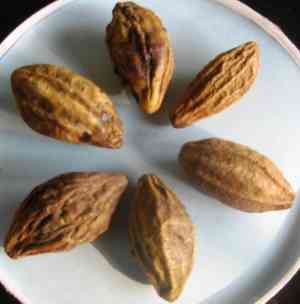
This shedding-leaf tree, recognized for its therapeutic fruits and vigorous development, flourishes with proper trimming. For black-myrobalan, trimming ought to concentrate on excising lifeless or ailing limbs, and reducing thick foliage to improve air movement and light access. The most effective trimming takes place in late winter or early spring, coinciding with its inactive phase to stimulate strong spring development. Trimming not only preserves its form but also boosts fruit production and tree wellness, being vital for the black-myrobalan's lifespan and output.
What Are the Benefits of Pruning Black-myrobalan?
What Are the Benefits of Pruning Black-myrobalan?
Trimming black-myrobalan promotes robust development and maintains its form, ensuring peak health and visual appeal. Strategic removal of overgrown limbs helps prevent illness and allows for improved light penetration and air circulation.
What Is the Best Time for Pruning Black-myrobalan?
What Is the Best Time for Pruning Black-myrobalan?
Trimming black-myrobalan in late winter before the spring growth surge enables strong healing and development as temperatures rise. This timing prevents sap loss, which is more active in warmer months, and minimizes stress on black-myrobalan. Early spring pruning, just prior to new growth, is advantageous as the structure of black-myrobalan is clearer without leaves. This also aids in identifying any dead or diseased wood for removal and stimulates new growth in the desired direction. These periods ensure the plant has ample time to recover before intense summer heat, which can exacerbate pruning stress. Additionally, pruning before the fruiting season can enhance fruit size and quality.
What Tools Do I Need to Prune Black-myrobalan?
Hand Pruners
For making precise cuts on small branches and twigs of black-myrobalan, hand pruners or secateurs are crucial. Opt for bypass pruners over anvil types, as they create cleaner cuts more conducive to the plant's recovery process.
Loppers
For cutting through thicker branches that hand pruners cannot manage, loppers are the next step. With longer handles, they offer greater leverage and can cut branches up to two inches in diameter, perfect for black-myrobalan's medium-sized limbs.
Pruning Saw
For the largest branches on black-myrobalan, a pruning saw is essential. It allows for accurate cutting on limbs thicker than two inches without causing unnecessary harm to the surrounding bark or plant tissue.
Pole Pruner
If black-myrobalan has branches out of reach, a pole pruner can be utilized for cutting without needing a ladder. This tool is particularly useful for higher branches, ensuring safety and extending the gardener's reach.
How to Prune Black-myrobalan
Identify and prepare
Locate dead or diseased branches on black-myrobalan that need to be removed. Gather pruning tools such as sharp, clean secateurs or a pruning saw, depending on branch thickness.
Clean cut
Make precise cuts when removing dead branches, cutting at a slight angle just above a growth node or lateral branch to encourage healthy regrowth.
Disinfect
Sanitize tools after each cut when removing diseased branches to prevent the spread of pathogens to healthy parts of black-myrobalan.
Smooth cut
Ensure cuts on larger branches are smooth and close to the trunk without leaving stubs, as jagged cuts can impede black-myrobalan's healing process.
Disposal
Discard all removed material by burning or binning dead and diseased branches to prevent pests or diseases from affecting black-myrobalan or surrounding plants.
Common Pruning Mistakes with Black-myrobalan
Overpruning
Removing too much foliage from black-myrobalan in a single pruning session can stress the plant, leading to reduced vitality and growth.
Improper cut location
Cutting too far from or too close to the bud can either lead to dieback or encourage diseases at the site of the cut on black-myrobalan.
Using dull tools
Dull pruning tools can damage the branches of black-myrobalan, creating jagged cuts that make it harder for the plant to heal and more susceptible to pests and diseases.
Pruning without reason
Indiscriminate cutting without understanding the natural form or growth pattern of black-myrobalan can result in a less aesthetically pleasing shape and poorer health.
Common Pruning Tips for Black-myrobalan
Sharp clean tools
Always use sharp and clean pruning tools to make precise cuts that heal quickly, reducing the risk of disease in black-myrobalan.
Selective pruning
Carefully select which branches to prune based on their condition and position to maintain the structural integrity and visual appeal of black-myrobalan.
Cutting angle
Make cuts at a 45-degree angle just above outward-facing buds to encourage efficient water runoff and healthy new growth in black-myrobalan.
Post pruning care
After pruning, give black-myrobalan appropriate care, including watering and mulching, to help it recover and thrive.



