Black-myrobalan (Terminalia chebula)
Also known as: Myrobalan
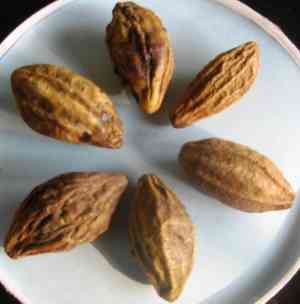
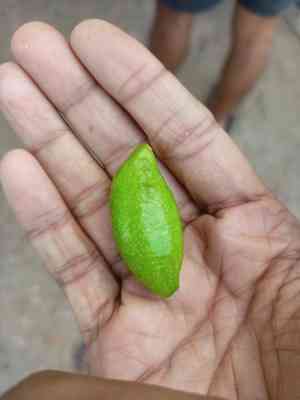
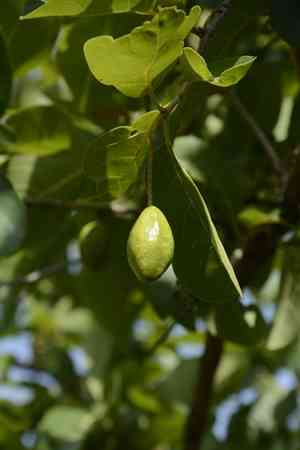
Terminalia chebula, known as haritaki, is a medium to large deciduous tree that can reach heights of up to 30 meters. The flowers are small, dull white to yellow, and have a strong, unpleasant odor. They appear in terminal spikes or short clusters. The fruits are ellipsoid to ovoid drupes, measuring 2–4.5 cm in length and 1.2–2.5 cm in width. Initially green, the fruits turn yellowish-brown to blackish as they mature and feature five distinct longitudinal ridges. The fruits contain a single seed and are known for their medicinal properties.
In This Article
Attributes of Black-myrobalan
Lifespan
Perennial
Plant Type
Tree
Plant Height
30 m
Spread
1 m
Leaf Color
Green
Flower Size
8 mm
Flower Color
White Yellow Green
Images of Black-myrobalan
Quickly Identify Black-myrobalan
1
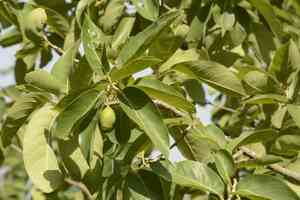
Terminalia chebula can be identified by its large, oblong leaves, small yellowish white flowers in terminal spikes, and ovoid to ellipsoid fruits that turn from green to yellowish-brown when mature.
Scientific Classification of Black-myrobalan
Phylum
Vascular plants
Class
Dicotyledons
Order
Myrtales
Family
White mangrove
Genus
Terminalia
Species
Black-myrobalan
Planting and Growing of Black-myrobalan
Care Difficulty
Easy
Watering Schedule
Every 4 days
Sunlight Requirements
Full sun
Sunshine Duration
6-10 hours
Ideal Temperature
68-77℉
Soil Type
Potting Mix, Peat Mix
Soil pH
6.5-7.5
Fertilizer Type
Balanced
Pruning Season
Spring, Summer
Pruning Area
Branches, Leaves
Pruning Frequency
2 times a year
Repotting Season
Spring
Pot Type
Plastic, Ceramic
 How to Water Black-myrobalan?
Terminalia chebula requires approximately 500 ml of water per session. The soil should be moist but not waterlogged, as excess water can lead to root rot. Make sure to water until the top one-inch of soil is wet but not dripping.
What are the symptoms of an underwatered Black-myrobalan?
›
What should I do if my Black-myrobalan is not getting enough water?
›
What are the symptoms of an overwatered Black-myrobalan?
›
How to save an overwatered Black-myrobalan?
›
 What Are the Sunlight Requirements for Black-myrobalan?
Terminalia chebula does well with full sun but can also adapt in partial sun conditions. This range ensures sufficient energy absorption for vigorous growth and a strong photosynthetic process.
Optimal Light Exposure
›
Solutions for Ideal Lighting
›
Benefits of Optimal Lighting
›
 What Is the Ideal Temperature Range for Black-myrobalan?
The ideal temperature range for Terminalia chebula cultivation is between 68°F and 77°F. This range provides optimal conditions for growth and ensures that the plant can flourish with minimal stress. Consistent exposure to this temperature range supports healthy photosynthesis and overall plant vigor.
 What Soil is Best for Black-myrobalan?
Terminatedia chebula prefers soils with good drainage to prevent waterlogging, which can lead to root rot. Well-drained soils ensure that roots receive adequate oxygen and prevent the accumulation of toxic substances. This plant thrives in nutrient-rich soil, which provides the necessary minerals and organic matter for optimal growth. Enriched soils promote healthy foliage and fruit production, ensuring robust development. While T. chebula needs well-drained soil, it also requires sufficient moisture retention to support its growth in dry spells. Soils with a balance of sand and clay retain moisture yet drain excess water efficiently.
 How to Fertilize Black-myrobalan?
For Terminalia chebula, use a balanced fertilizer with equal parts of nitrogen, phosphorus, and potassium. Dilute the liquid fertilizer to half-strength to prevent root burn. For each application, use approximately 1 cup of diluted liquid fertilizer per plant.
 How to Prune Black-myrobalan?
Use sharp and sterilized tools such as pruning shears or saws. This ensures precision and reduces the stress on the plant. Clean your tools before and after each use, especially when cutting diseased branches, to prevent any possible infections from spreading. Before starting, assess the plant's structure and health. Identify which branches need trimming to enhance overall symmetry and remove any damaged or diseased parts. Prioritizing plant health and structure will guide you in making the most effective cuts. While pruning can be done in spring and summer, avoid heavy pruning in late summer as it may affect the plant's growth in colder months. Timing your pruning to align with the plant's growth cycles maximizes benefits and minimizes stress on the plant.
More About Pruning Techniques→
 How to Propagate Black-myrobalan plant?
1
Begin by soaking the seeds in warm water for 24 hours. This helps to soften the seed coat, enhancing germination rates. After soaking, sow the seeds in a well-draining potting mix, covering them lightly with soil.
2
Select healthy branches from the parent plant, preferably those without flowers. Cut 4-6 inch sections using sharp, sterilized shears. Remove the lower leaves and dip the cut end in rooting hormone before planting in a rooting medium.
3
Place the trays or pots with cuttings under a clear plastic cover or inside a greenhouse to maintain high humidity levels. This aids in quicker root formation and protects the cuttings from drying out.
 How to Repot Black-myrobalan plant?
1
Observing the growth and health of Terminalia chebula will signal the need to repot. When roots begin to protrude from the drainage holes or the plant exhibits stunted growth, it's time for a new pot. Look for these signs during the active growth phases in spring or early summer.
2
Select a pot that is 1-2 inches larger in diameter than the current one to allow room for growth. Opt for containers with sufficient drainage holes to prevent root rot. A slightly larger pot prevents overwatering and promotes healthy root expansion, ensuring your plant remains vigorous.
3
A well-draining potting mix, ideally combined with some organic matter like compost, is perfect for Terminalia chebula. This ensures the roots are not waterlogged, providing both drainage and the nutrients necessary for a strong, thriving plant.
Learn More About Black-myrobalan Diseases
Anthracnose
Bacterial Leaf Spot
Black Spot
Chemical Injury
Crown Gall
Damping-off
Drought Stress
Fusarium Wilt
Gray Mold
Leaf Curl
Leaf Spot
Mosaic
Nutrient Deficiency
Nutrient Toxicity
Powdery Mildew
Root Rot
Root-knot Nematode
Rusts
Sooty Mold
Spider Mites
Temperature Stress
Thrips Damage
White Mold



