How to Transplant Beleric myrobalan?
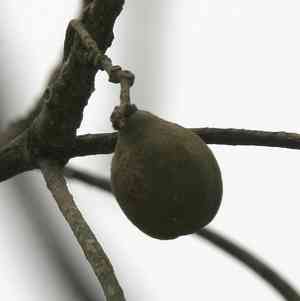
The period spanning from the cold of early winter through the warmth of mid-spring is ideal for relocating beleric myrobalan, as these months facilitate root development prior to the summer's intense heat. Select a location that receives full sun to partial shade and possesses soil with good drainage. Handle the root system carefully to foster robust development.
What Preparations are Needed Before Transplanting Beleric Myrobalan?
What is the Ideal Time for Transplanting Beleric Myrobalan?
The optimal period for moving beleric myrobalan begins as winter's cold recedes and continues until just before vigorous spring growth. Performing this task during the revitalizing window from late cold months to early growth's flowering phase ensures the best establishment. This timeframe provides beleric myrobalan with milder temperatures and ample opportunity to strengthen roots before summer's full intensity. Relocating beleric myrobalan at this time takes advantage of naturally moist soil, lessening transplant shock and fostering a strong base for future seasons.
How Much Space Should You Leave Between Beleric Myrobalan Plants?
To allow your beleric myrobalan to thrive, you should space them generously. Aim for a distance of 20-30 ft (6-9 m) between plants. This spacing prevents overcrowding of their canopies, ensuring they receive necessary nutrients and proper air circulation.
What is the Best Soil Mix for Beleric Myrobalan Transplanting?
For your beleric myrobalan, prepare soil that drains well and is rich in organic material. Incorporate compost or aged manure before planting to establish a healthy foundation. The soil should retain moisture without becoming waterlogged, encouraging robust root development.
Where Should You Relocate Your Beleric Myrobalan?
Select a sunny location for your beleric myrobalan where they can receive direct sunlight for most of the day. This will provide the energy required for vigorous growth and fruit production, so choose an area with full-to-partial sun exposure.
What Equipments Should You Prepare Before Transplantation Beleric Myrobalan?
Gardening Gloves
To safeguard your hands while handling soil and the plant.
Shovel or Garden Spade
For excavating the beleric myrobalan and creating a new planting site.
Wheelbarrow or Garden Cart
To move the beleric myrobalan from its original spot to the new location.
Pruning Shears
To trim any damaged roots or branches prior to transplanting.
Watering Can or Hose
For hydrating the beleric myrobalan before and after its relocation.
Stakes or Supports
To provide stability for the beleric myrobalan post-transplant if needed.
How Do You Remove Beleric Myrobalan from the Soil?
How Do You Remove Beleric Myrobalan from the Soil?
From Ground: First, moisten the beleric myrobalan's soil. Then, use a shovel or spade to dig a wide trench around the plant, ensuring the root ball stays intact. Carefully work the spade beneath the root ball to lift the plant from its initial position.From Pot: Ensure the soil is damp but not saturated. Gently tap the pot's sides to loosen the root ball. Turn the pot sideways and carefully slide the beleric myrobalan out, supporting the plant by its base.From Seedling Tray: Dampen the soil to minimize root damage. Use a tool like a dibbler or a fork to gently lift the beleric myrobalan seedling from its cell, holding it by the leaves, not the stem.
Step-by-Step Guide for Transplanting Beleric Myrobalan
Digging the New Hole
Excavate a hole in the ground that is twice as wide and slightly deeper than the beleric myrobalan's root ball.
Preparing the Root Ball
Remove any injured or broken roots using pruning shears. Gently untangle the roots if they are pot-bound to encourage outward growth.
Placement
Position the beleric myrobalan in the center of the newly dug hole. The top of the root ball should be flush with the ground level.
Refilling the Hole
Carefully backfill the hole with soil, gently compacting it around the beleric myrobalan's roots to eliminate air pockets.
Staking
If the beleric myrobalan is tall or top-heavy, insert stakes into the ground and secure them to the plant with ties for support.
Watering
Thoroughly water the beleric myrobalan to settle the soil and hydrate its roots. Be careful not to wash away the soil around the roots.
How Do You Care For Beleric Myrobalan After Transplanting?
Stabilization
Verify that the beleric myrobalan remains upright and adjust stakes and ties, if used, to prevent stem damage.
Mulching
Apply a layer of organic mulch around the base of the beleric myrobalan to help retain moisture, regulate soil temperature, and reduce weed competition.
Monitoring
Observe the beleric myrobalan for indications of transplant shock, such as wilting or yellowing leaves, and take appropriate measures if necessary.
Troubleshooting Common Issues with Beleric Myrobalan Transplantation.
When's the best time to transplant beleric myrobalan for optimal growth?
Relocate beleric myrobalan from the onset of cold weather to the peak of the blooming season.
How far apart should I space beleric myrobalan when transplanting?
Allow beleric myrobalan ample room to flourish by spacing them 20-30 feet (6-9 meters) apart.
What should I do if beleric myrobalan leaves wilt after transplanting?
Ensure beleric myrobalan is adequately watered and protected from intense sun until it's established.
Why is my beleric myrobalan not growing after being transplanted?
Check for root binding; if present, gently loosen. Confirm proper soil conditions and sufficient water.
Can I transplant beleric myrobalan during the hottest season?
It's risky; early winter to mid-spring is ideal for successful establishment.
What soil type is preferred for transplanting beleric myrobalan?
Rich, well-draining soil aids beleric myrobalan in establishing better after transplant.
How deep should I dig for transplanting beleric myrobalan?
Excavate a hole twice the width of the root ball and equal in depth.
Should I prune beleric myrobalan before transplanting, and how much?
Light pruning is beneficial. Remove only damaged or excessive growth to lessen stress.
What signs show that beleric myrobalan is ready for transplant?
Vigorous growth and a root system filling its pot indicate readiness.
How do I protect beleric myrobalan from transplant shock?
Water thoroughly, apply mulch, and minimize root disturbance during the process.



