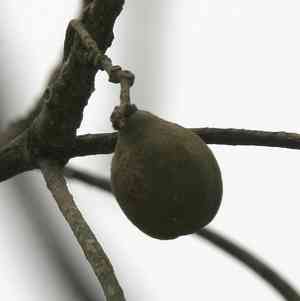
Beleric myrobalan (Terminalia bellirica)
Also known as: Beleric, Myrobalan
The beleric myrobalan tree, found throughout Southeast Asia and the Indian Subcontinent, holds significant economic value. The tree's wood serves as an affordable source of timber and is frequently utilized for charcoal production. Additionally, various parts of the tree are used to produce dyes, adding to its economic importance in these regions.
In This Article
Attributes of Beleric myrobalan
Lifespan
Perennial
Plant Type
Tree
Plant Height
18 m to 35 m
Spread
35 m
Leaf Color
Green
Flower Size
5 mm to 6 mm
Flower Color
Yellow Green
Images of Beleric myrobalan
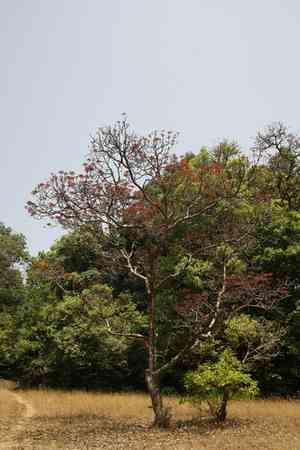
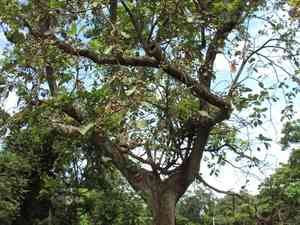
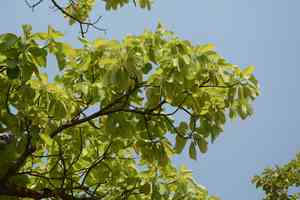
Quickly Identify Beleric myrobalan
1
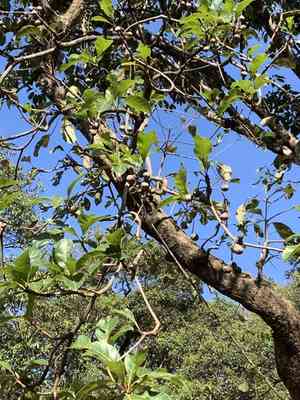
Look for a large, deciduous tree with a spreading crown. The leaves are finely pubescent on the underside and oblong with a shiny upper surface. The fruit is a distinctive rounded drupe that turns grayish when ripe.
Scientific Classification of Beleric myrobalan
Phylum
Vascular plants
Class
Dicotyledons
Order
Myrtales
Family
White mangrove
Genus
Terminalia
Species
Beleric myrobalan
Planting and Growing of Beleric myrobalan
Care Difficulty
Easy
Watering Schedule
Every 2 days
Sunlight Requirements
Full sun
Sunshine Duration
4-10 hours
Ideal Temperature
68-86℉
Soil Type
Potting Mix, Peat Mix
Soil pH
6.5-7.5
Fertilizer Type
Balanced
Pruning Season
Spring, Summer
Pruning Area
Branches, Leaves
Pruning Frequency
2 times a year
Repotting Season
Spring
Pot Type
Plastic, Ceramic
 How to Water Beleric myrobalan?
When watering Terminalia bellirica, aim to thoroughly soak the soil until water begins to drain from the bottom of the pot. This typically requires about 500 ml of water per session, ensuring that the water penetrates deep enough to reach the roots without leaving the soil soggy.
What are the symptoms of an underwatered Beleric myrobalan?
›
What should I do if my Beleric myrobalan is not getting enough water?
›
What are the symptoms of an overwatered Beleric myrobalan?
›
How to save an overwatered Beleric myrobalan?
›
 What Are the Sunlight Requirements for Beleric myrobalan?
Preferring full to partial sun, Terminalia bellirica benefits from light that supports robust growth and effective photosynthesis, essential for healthy development.
What is the best lighting condition for Terminalia bellirica?
›
How can I ensure my plant gets the right amount of light?
›
What are the benefits of providing ideal light conditions?
›
 What Is the Ideal Temperature Range for Beleric myrobalan?
The ideal temperature range for Terminalia bellirica is between 68°F and 86°F. This range ensures the plant receives sufficient warmth to facilitate photosynthesis, metabolism, and other physiological processes vital for healthy growth and development. Maintaining this temperature range is crucial for optimal leaf and flower production, ensuring robust health and vigor of the plant.
 What Soil is Best for Beleric myrobalan?
Terminalia bellirica thrives best in well-drained soils that prevent waterlogging, which can cause root rot. This type of soil allows the roots to access oxygen efficiently, supporting healthier growth. Rich in organic matter, these soils provide essential nutrients for Terminalia bellirica. The nutrient availability promotes vigorous growth and enhances the plant's overall vitality. Maintaining a soil with balanced moisture is critical for Terminalia bellirica to prevent stress from drought or water excess. It ensures optimal growth conditions are consistent.
 How to Fertilize Beleric myrobalan?
Terminalia bellirica typically requires moderate fertilization. Avoid over-fertilization by using balanced fertilizers with an NPK ratio of 10-10-10 or similar. For liquid fertilizers, dilute them as per instructions and apply a volume suitable for the plant's size, ensuring the soil surface is evenly moist but not soggy.
 How to Prune Beleric myrobalan?
Identify dead, diseased, or crossing branches as primary targets for removal. This selective removal encourages healthier growth and enhances the plant's structural integrity. Thin out crowded branches to improve air circulation and sunlight penetration, reducing the likelihood of fungal diseases and promoting overall health. Trim back extending branches to maintain your desired shape and size. Consistent shaping not only keeps the tree attractive but also ensures balanced growth. After pruning, inspect your Terminalia bellirica for pest activity and diseases. Apply suitable treatments if necessary, and water the plant to help it recover from the stress of pruning.
More About Pruning Techniques→
 How to Propagate Beleric myrobalan plant?
1
Harvest ripe Terminalia bellirica fruits and extract the seeds. Clean them properly to remove any fruit pulp which might harbor pathogens or reduce germination rates.
2
Prepare a well-drained mix of soil, sand, and organic matter. This medium provides the necessary nutrients and drainage for the seeds or cuttings to thrive.
3
Sow seeds in the prepared tray or plant cuttings with a rooting hormone into the medium. Ensure they are placed at the correct depth — seeds should be slightly covered, while cuttings should have at least one node below the soil.
 How to Repot Beleric myrobalan plant?
1
Terminalia bellirica should be repotted when you notice signs such as roots emerging from the drainage holes, slowed growth, or the soil not holding moisture as it used to. It's best done during spring or autumn when the plant is not under extreme stress from high temperatures or extensive new growth.
2
Select a new pot that is only slightly larger than the current one, with ample drainage holes. This helps prevent root rot and overwatering by allowing excess water to escape. A pot that is too large may hold too much moisture and lead to soggy conditions for the roots.
3
Opt for a well-draining loamy soil mix that retains moisture while allowing excess water to escape easily. This ensures that the roots remain healthy and are provided with adequate air circulation, key factors in preventing fungal diseases and promoting vibrant growth.
Learn More About Beleric myrobalan Diseases
Anthracnose
Bacterial Leaf Spot
Bacterial Soft Rot
Bacterial Wilt
Crown Gall
Cyst Nematode
Damping-off
Drought Stress
Fusarium Wilt
Gray Mold
Leaf Curl
Leaf Spot
Mosaic
Nutrient Deficiency
Nutrient Toxicity
Powdery Mildew
Root Rot
Root-knot Nematode
Rusts
Sooty Mold
Spider Mites
Temperature Stress
Thrips Damage
White Mold



