How to Prune Beleric myrobalan?
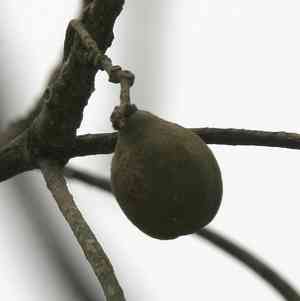
The beleric myrobalan, a deciduous tree recognized for its therapeutic qualities and expansive leaves, thrives with appropriate trimming. Conduct pruning in late winter or early spring, precisely before the onset of its growth period. Eliminate any lifeless or ailing branches and reduce the density of the crown to foster better air movement. This practice not only preserves the plant's well-being and form but also boosts its fruit output. Meticulous pruning guarantees a robust tree with improved exposure to sunlight, which is crucial for its development and medicinal harvest.
Advantages of Trimming Beleric Myrobalan
Advantages of Trimming Beleric Myrobalan
Trimming beleric myrobalan encourages robust new development, maintaining its desired form and dimensions, which is vital for its visual appeal and space management within a garden.
Optimal Period for Pruning Beleric Myrobalan
Optimal Period for Pruning Beleric Myrobalan
Pruning or trimming beleric myrobalan should occur in late winter or early spring before new growth begins. This timing is ideal as the dormant phase concludes, allowing the plant to recover from pruning wounds with minimal stress and reduced disease risk. Pruning at this time promotes vigorous growth in the upcoming season, as the plant prepares to channel energy into new shoots and leaves. Additionally, since beleric myrobalan may not yet be fully leafed out, its structure is more visible, enabling more precise cuts. Avoid pruning during flowering or fruiting periods, as this could diminish beleric myrobalan's yield.
Essential Tools for Pruning Beleric Myrobalan
Hand Pruners
Beleric myrobalan often develops thick branches requiring precise cuts. Bypass hand pruners are perfect for making clean cuts on branches up to ½ inch in diameter without crushing plant tissue.
Loppers
For cutting through thicker branches, typically up to 1 ½ inches in diameter, which beleric myrobalan's vigorous growth can produce, loppers offer the necessary leverage and reach.
Pruning Saw
When beleric myrobalan has mature, woody branches exceeding 1 ½ inches in thickness, a sharp pruning saw is the best option. The saw enables controlled cuts on larger branches without harming surrounding foliage.
Pole Pruner
If beleric myrobalan reaches considerable heights, pole pruners can be utilized to safely trim higher branches from the ground.
How to Prune Beleric Myrobalan
Sanitize tools
Before beginning, clean and sterilize all pruning tools to prevent disease transmission when cutting beleric myrobalan.
Examine
Inspect beleric myrobalan for any dead or diseased branches, identifiable by discoloration, brittleness, or visible signs of fungal infection.
Remove dead branches
Carefully remove dead branches by cutting them where they meet healthy wood. Ensure cuts are clean and avoid leaving stubs, which can attract pests or diseases.
Remove diseased branches
When cutting diseased branches from beleric myrobalan, make cuts at least several inches below affected areas to ensure all diseased tissue is removed.
Disinfect
After each cut, especially when removing diseased branches, disinfect pruning tools to prevent contaminating healthy parts of beleric myrobalan.
Common Pruning Errors with Beleric Myrobalan
Excessive pruning
Removing too much foliage from beleric myrobalan at once can stress the plant, leading to poor growth or increased disease susceptibility. Aim to remove no more than 25-30% of the total canopy in a single pruning session.
Cutting method
Incorrect cutting technique can damage beleric myrobalan, such as tearing bark or leaving stubs vulnerable to pathogens. Clean cuts should be made at a 45-degree angle just above a bud or branching point.
Tool hygiene
Using dirty pruning tools can introduce disease to beleric myrobalan. Ensure tools are disinfected between cuts, especially when dealing with diseased branches.
Ignoring dead wood
Failing to remove dead or diseased branches can impede beleric myrobalan's growth and introduce pests and diseases. Regularly check for and prune out dead wood.
Incorrect cut placement
Making cuts too far from the bud can result in dead stubs, while cutting too close can harm the bud itself. Cuts should be made near the bud without damaging it.
General Pruning Advice for Beleric Myrobalan
Sharp tools
Use sharp and clean pruning shears to make clean cuts that heal quickly, promoting healthy regrowth in beleric myrobalan.
Natural form
Prune beleric myrobalan in a way that preserves its natural shape and enhances its structural integrity, rather than attempting to force it into an unnatural form.
Branch angle
Remove branches with narrow angles, as they are weaker and more prone to breakage. Retain branches with wider angles to encourage a more robust structure in beleric myrobalan.
Crossing branches
Prune away crossing or rubbing branches in beleric myrobalan to prevent wounds that could serve as entry points for pests and diseases, while also improving air circulation within the canopy.
Water sprouts suckers
Promptly remove water sprouts and suckers as they appear on beleric myrobalan. These vigorous vertical shoots can deplete energy from the main plant and lead to a cluttered growth habit.



