How to Transplant Fiji arrowroot?
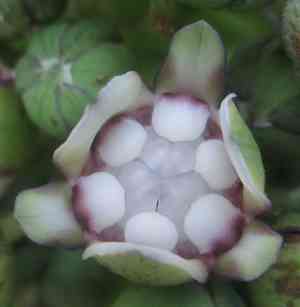
The optimal period for transplanting fiji arrowroot extends from the cessation of frost until the steady warmth of late spring, facilitating robust root development. Select locations with good drainage and partial shade to replicate its native forest floor conditions, and sustain soil hydration to encourage successful acclimation.
What Preparations are Needed Before Transplanting Fiji Arrowroot?
What is the Ideal Time for Transplanting Fiji Arrowroot?
The perfect period to relocate fiji arrowroot spans from early spring through mid-season. Moving plants during this time promotes vigorous development, as moderate temperatures and increasing daylight offer prime conditions for root establishment. By transplanting fiji arrowroot within this window, you provide it the best opportunity to thrive in the coming months, ensuring stronger growth and a higher survival rate.
How Much Space Should You Leave Between Fiji Arrowroot Plants?
Start by providing each fiji arrowroot ample room for expansion. Position them approximately 24-36 inches (61-91 cm) apart. This spacing allows their abundant foliage to spread and flourish without becoming overcrowded.
What is the Best Soil Mix for Fiji Arrowroot Transplanting?
Prepare a nourishing environment for fiji arrowroot by blending rich, well-draining soil with a balanced, slow-release fertilizer. Ensure the soil is fertile and loamy to encourage robust root development.
Where Should You Relocate Your Fiji Arrowroot?
Choose a location for your fiji arrowroot that receives partial shade, as they prefer some protection from intense midday sun. A spot with morning light and afternoon shade would be optimal.
What Equipments Should You Prepare Before Transplantation Fiji Arrowroot?
Gardening Gloves
To safeguard your hands while handling soil and plants.
Shovel or Spade
For excavating the plant and preparing the new planting site.
Watering Can or Hose
To hydrate the plant before and after its relocation.
Garden Trowel
To refine the planting hole and add soil around the roots if necessary.
Pruners
To trim any damaged roots or foliage prior to transplanting.
Wheelbarrow or Plant Caddy
To move the fiji arrowroot if it is large or heavy.
Mulch
To help maintain soil moisture and inhibit weed growth around the new planting area.
How Do You Remove Fiji Arrowroot from the Soil?
How Do You Remove Fiji Arrowroot from the Soil?
From Ground: First, moisten the fiji arrowroot plant to soften the soil, making excavation easier. Next, use a shovel or spade to carefully dig a circle around the plant, leaving ample space to avoid damaging the root ball. Gently pry the spade to lift the plant while preserving as much of the root system as possible.From Pot: Begin by watering the fiji arrowroot in its current container to lessen root stress. Tilt the pot sideways and gently tap the sides and bottom to loosen the root ball. Grasp the plant's base and carefully ease it out, taking care not to pull on the stems or leaves.From Seedling Tray: Dampen the soil in the tray before attempting to extract the seedlings. Use a garden trowel or spoon to lift each individual seedling, ensuring a good amount of soil remains attached to its roots to prevent shock.
Step-by-Step Guide for Transplanting Fiji Arrowroot
Prepare New Planting Hole
Excavate a hole in the ground that is twice the width and as deep as the fiji arrowroot's root ball.
Root Pruning
Inspect the root ball and use pruners to remove any dead, broken, or circling roots.
Positioning Plant
Place the fiji arrowroot into the planting hole, ensuring it stands upright and at the same depth it was previously growing.
Refill Hole
Gently backfill the hole with the excavated soil, lightly patting it down to secure the fiji arrowroot and eliminate air pockets.
Water Thoroughly
After transplanting, water the fiji arrowroot to help settle the soil around its roots.
Applying Mulch
Spread a layer of mulch around the base of the fiji arrowroot to conserve moisture and protect against temperature extremes.
How Do You Care For Fiji Arrowroot After Transplanting?
Watering
Ensure consistent moisture for the fiji arrowroot, watering deeply when the top inch of soil feels dry to the touch during its initial growing season.
Pruning
Trim any foliage that may have been damaged during the transplanting process to encourage new growth.
Observation
Regularly check the fiji arrowroot for signs of stress such as wilting or discoloration, which could indicate issues with moisture levels or root establishment.
Support Structures
If the fiji arrowroot shows signs of leaning or instability, provide support stakes to help it maintain an upright position as it establishes.
Troubleshooting Common Issues with Fiji Arrowroot Transplantation.
How deep should I plant fiji arrowroot bulbs when transplanting?
Plant the fiji arrowroot bulbs so their tops are approximately 2 inches (5 cm) below the soil surface.
What's the best time to transplant fiji arrowroot for optimal growth?
Transplanting fiji arrowroot from early to late spring provides the best growing conditions.
How far apart should I space fiji arrowroot when transplanting?
Ensure healthy development by spacing fiji arrowroot 24-36 inches (61-91 cm) apart.
What type of soil is best when transplanting fiji arrowroot?
Utilize well-draining, fertile soil to promote successful fiji arrowroot transplantation.
How much should I water fiji arrowroot after transplanting?
Water fiji arrowroot generously post-transplant, then regularly to keep soil moist, but not saturated.
Should I fertilize fiji arrowroot immediately after transplanting?
Wait several weeks before fertilizing fiji arrowroot to allow its roots to stabilize.
What sunlight conditions are ideal for transplanted fiji arrowroot?
Transplanted fiji arrowroot thrives in partial to full shade, avoiding direct, intense sunlight.
Could transplanting fiji arrowroot in cooler weather be beneficial?
Relocating fiji arrowroot in cooler spring weather can lessen transplant shock and aid root establishment.
How do I prepare fiji arrowroot bulbs for transplanting?
Gently clean off excess soil and inspect the bulbs for disease signs before transplanting fiji arrowroot.
What signs indicate successful fiji arrowroot transplantation?
New growth and the absence of wilting or yellowing leaves suggest successful fiji arrowroot transplant.



