How to Prune Fiji arrowroot?
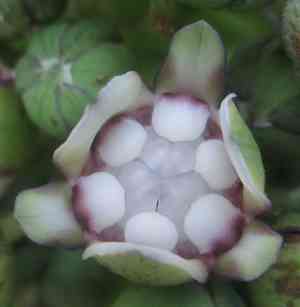
Featuring unique batwing-shaped foliage, fiji arrowroot flourishes with infrequent trimming, primarily involving the elimination of deceased or discolored leaves to sustain vitality. The most suitable periods for pruning extend throughout the entire year, accommodating the straightforward care demands of this tropical perennial. Precise cuts at the base of undesirable foliage encourage more robust development and deter infestations. Consistent inspections for aged leaves are crucial for its upkeep, guaranteeing that fiji arrowroot persistently thrives with its characteristic greenery.
What Are the Benefits of Pruning Fiji Arrowroot?
What Are the Benefits of Pruning Fiji Arrowroot?
Trimming fiji arrowroot boosts flowering, stimulates vigor, and maintains a manageable form. Regular cutting promotes a strong structure and optimizes plant wellness, adding to its visual and practical worth.
What Is the Best Time for Pruning Fiji Arrowroot?
What Is the Best Time for Pruning Fiji Arrowroot?
Given fiji arrowroot's tropical origins, it adapts well to pruning year-round due to its consistent growth in favorable conditions. The absence of a dormant period for fiji arrowroot means there's no specific inactive season, which is often crucial for pruning many plants. Pruning at any time can help maintain plant shape, remove dead or damaged foliage, and encourage more robust growth and better air circulation. Regular removal of old stems can also foster the production of new, healthy growth. Furthermore, since fiji arrowroot lacks a specific flowering or fruiting season that could be negatively impacted by ill-timed pruning, flexibility in pruning times is afforded. However, it is always essential to ensure that fiji arrowroot is not stressed by extreme conditions like drought or excessive rainfall when pruning, as this could affect plant health.
What Tools Do I Need to Prune Fiji Arrowroot?
Bypass Pruners
Given fiji arrowroot's relatively soft stem material, bypass pruners are perfect for clean, close cuts that encourage healthy regrowth. They operate like scissors, with two blades passing each other, minimizing plant tissue damage.
Sharp Garden Scissors
Fiji arrowroot may produce smaller, delicate growth requiring precision. Sharp garden scissors are ideal for snipping off spent flowers or trimming small, tender shoots without causing unnecessary harm.
Long-Handled Loppers
For any mature or thicker stems that may develop on fiji arrowroot, long-handled loppers will provide the necessary leverage for clean cuts without straining the gardener's hands.
Pruning Saw
If fiji arrowroot has developed exceptionally thick stems or requires significant reshaping, a pruning saw would be beneficial. It allows for cutting larger stems cleanly and efficiently.
How to Prune Fiji Arrowroot
Clean tools
Before pruning fiji arrowroot, sanitize your pruning tools with a solution of one part bleach to nine parts water or use rubbing alcohol. This prevents disease transmission between plants.
Remove diseased leaves
Using the sterilized tools, carefully trim away any diseased leaves from fiji arrowroot. Make cuts close to the leaf's base, taking care not to harm nearby healthy tissue.
Trim withered leaves
Identify and remove any withered leaves. Cut these back to their base or to the point of healthy growth. This will not only improve fiji arrowroot's appearance but also redirect energy to healthier parts.
Prune dead branches
Examine fiji arrowroot for dead branches. These should be removed by cutting at their origin point or back to healthy wood. Make the cut flush with the surrounding stem to promote better healing.
Cut diseased branches
Locate and remove diseased branches by cutting them back to healthy wood. Ensure cuts are clean and avoid leaving stubs, which could lead to further disease problems for fiji arrowroot.
Trim withered flower
If fiji arrowroot has any withered flowers, delicately prune them away to encourage new growth and potential re-blooming. Clip the stem below the flower head, above the first set of healthy leaves.
Common Pruning Mistakes with Fiji Arrowroot
Over-pruning
Removing too much foliage at once, which can stress fiji arrowroot and hinder its growth.
Improper tool use
Using dull or dirty tools can damage fiji arrowroot's stems and introduce disease.
Pruning healthy growth
Unnecessarily cutting away healthy leaves and stems, which are vital for the plant's energy production.
Ignoring disease prevention
Failing to disinfect tools before and after use can spread disease among fiji arrowroot plants.
Common Pruning Tips for Fiji Arrowroot
Selective pruning
Focus on removing only dead or damaged leaves and stems to maintain fiji arrowroot's health and appearance.
Disinfect tools
Clean pruning tools before and after use to prevent disease spread among fiji arrowroot plants.
Sharp tools
Use sharp, clean tools to make clean cuts that heal quickly, reducing stress on fiji arrowroot.
Pruning angle
Cut at a 45-degree angle, away from the main stem, to promote healing and prevent water accumulation.
Moderate pruning
Prune sparingly, as fiji arrowroot does not require heavy pruning to thrive; remove no more than one-third of the plant's growth.



