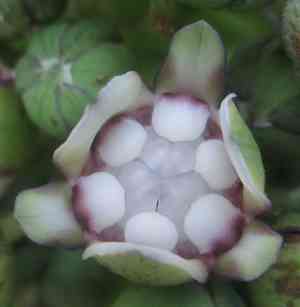
Fiji arrowroot (Tacca leontopetaloides)
Also known as: Arrowroot, East indies arrowroot
Fiji arrowroot (Tacca leontopetaloides) is a starchy relative of the yam. Its bast fibers from the stems can be woven to create mats and the roots' stach functions as laundry starch. Noted that its tubers may be toxic if it is not properly handled.
In This Article
Attributes of Fiji arrowroot
Lifespan
Perennial
Plant Type
Herb
Plant Height
61 cm
Spread
1 m
Leaf Color
Green
Flower Size
5 cm to 10 cm
Flower Color
Green
Images of Fiji arrowroot
Quickly Identify Fiji arrowroot
1
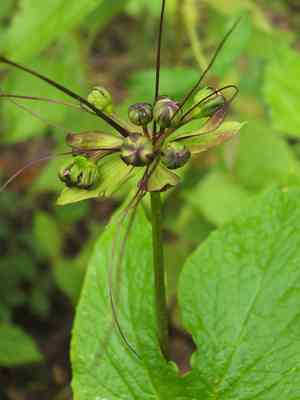
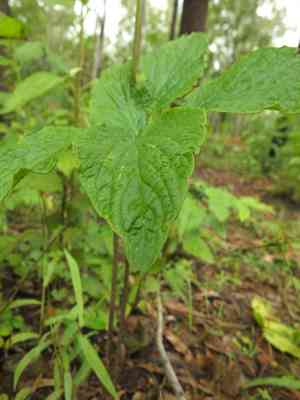
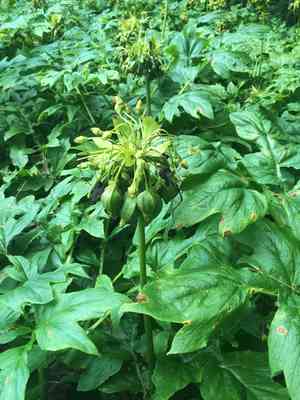
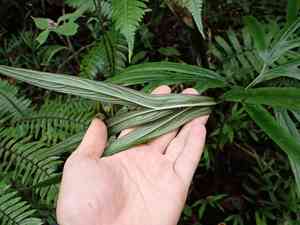
Tacca leontopetaloides can be identified by its large hand-shaped leaves that emerge from the base, its unique umbel of small greenish-yellow flowers surrounded by long, thread-like bracts, and the presence of its edible tuberous roots.
Scientific Classification of Fiji arrowroot
Phylum
Vascular plants
Class
Monocotyledons
Order
Dioscoreales
Family
Yam
Genus
Batflowers
Species
Fiji arrowroot
Planting and Growing of Fiji arrowroot
Care Difficulty
Easy
Watering Schedule
Every 2 days
Sunlight Requirements
Partial sun
Sunshine Duration
4-8 hours
Ideal Temperature
75-85℉
Soil Type
Potting Mix, Peat Mix
Soil pH
6.5-7.5
Fertilizer Type
Balanced
Pruning Season
Spring, Summer
Pruning Area
Branches, Leaves
Pruning Frequency
2 times a year
Repotting Season
Spring
Pot Type
Plastic, Terracotta
 How to Water Fiji arrowroot?
Tacca leontopetaloides requires thorough watering. It is optimal to water until water runs out of the drainage holes, ensuring the soil is well-moistened without becoming waterlogged. This imitates the plant's natural conditions, keeping the roots healthy and hydrated.
What are the symptoms of an underwatered Fiji arrowroot?
›
What should I do if my Fiji arrowroot is not getting enough water?
›
What are the symptoms of an overwatered Fiji arrowroot?
›
How to save an overwatered Fiji arrowroot?
›
 What Are the Sunlight Requirements for Fiji arrowroot?
Preferring partial sun, this plant prospers with moderate light exposure, replicating its natural habitat under a tropical canopy. Such lighting fosters healthy growth, vibrant foliage, and successful flowering cycles.
More About Sunlight Requirements Techniques→
What is the ideal location for Tacca leontopetaloides?
›
How can I ensure consistent light levels?
›
Why is maintaining proper light crucial?
›
 What Is the Ideal Temperature Range for Fiji arrowroot?
Tacca leontopetaloides thrives best in warm climates with temperatures ranging from 75°F to 85°F. This temperature range supports optimal growth and photosynthesis, as it mimics the plant's natural tropical environment. Ensuring constant warmth without sudden drops or spikes is crucial for its vibrant health.
 What Soil is Best for Fiji arrowroot?
Tacca leontopetaloides requires well-draining soil to prevent waterlogging, which can cause root rot and negatively impact plant health. Effective drainage ensures adequate oxygen reaches the roots, promoting vigorous growth and blooming. This plant thrives in nutrient-rich soil that provides essential minerals and organic matter for robust growth. High nutrient levels support strong root systems, lush foliage, and successful tuber development. Maintaining a consistently moist soil, without oversaturation, is crucial for this plant's health. Adequate moisture supports its tropical nature and prevents wilting, ensuring optimal absorption of nutrients and water.
 How to Fertilize Fiji arrowroot?
For Tacca leontopetaloides, use a balanced liquid fertilizer at half strength to prevent nutrient overload. Apply about 100 ml per plant per liquid feeding, ensuring the soil is moist before application to allow even absorption. For slow-release fertilizers, distribute about 50 grams evenly around the base once a year.
 How to Prune Fiji arrowroot?
Begin by sterilizing your pruning shears with alcohol to prevent disease transmission. Identify any dead or discolored leaves and stems on your Tacca leontopetaloides. Carefully cut these sections back to the main stem to prevent any rot from spreading. Trim any excessively long stems to maintain a balanced shape. Make clean cuts at a slight angle to facilitate healing.
More About Pruning Techniques→
 How to Propagate Fiji arrowroot plant?
1
Allow the seed pods to mature on the plant before collecting them. Once dry, gently open the pods to extract the seeds, placing them in a container for sowing.
2
Carefully dig out the rhizomes from the plant, ensuring not to damage them. Use a sharp knife to divide them into sections, each with at least one bud.
3
Fill a seed-tray with a potting mix and sow the seeds on the surface. Cover the seeds lightly with more soil and water gently to settle the soil around them.
 How to Repot Fiji arrowroot plant?
1
Repot Tacca leontopetaloides when you notice its roots are tightly packed and starting to circle the pot. An ideal time to repot is in Spring or Summer when the plant is actively growing, as it can better recover from the stress of repotting. Also, check for signs like reduced growth or poor soil drainage.
2
Choose a pot that is about 2 inches larger in diameter than the current one to provide ample room for root growth. A pot with drainage holes is essential as it prevents waterlogging, which can lead to root rot. Select a material that suits your environment; clay pots are excellent for their breathability in humid areas.
3
Opt for well-draining sandy loam, which provides a balance of moisture retention and drainage. This type of soil ensures that excess water does not accumulate, allowing the roots to breathe and prevent overwatering-related issues, promoting healthy root development and nutrient uptake.
Learn More About Fiji arrowroot Diseases
Anthracnose
Bacterial Leaf Spot
Bacterial Soft Rot
Bacterial Wilt
Chemical Injury
Crown Gall
Cyst Nematode
Damping-off
Downy Mildew
Drought Stress
Fusarium Wilt
Gray Mold
Leaf Spot
Mosaic
Nutrient Deficiency
Nutrient Toxicity
Powdery Mildew
Root Rot
Root-knot Nematode
Sooty Mold
Spider Mites
Temperature Stress
Thrips Damage
White Mold



