How to Transplant Eastern annual saltmarsh aster?
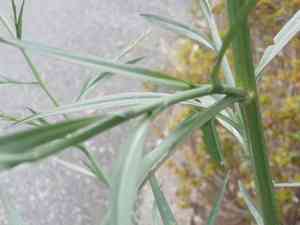
For best results, move eastern annual saltmarsh aster between late spring and early summer, or from late summer to early autumn, as these periods favor successful rooting. Select a location with ample sunlight and effective water runoff. Only perform this transfer if the plant is too dense or exhibiting robust development.
Preparations Required Before Relocating Eastern Annual Saltmarsh Aster
Optimal Period for Moving Eastern Annual Saltmarsh Aster?
The ideal period for relocating eastern annual saltmarsh aster is during the mild conditions of late spring or the gentle days of mid-fall. Transplanting at these times allows eastern annual saltmarsh aster to establish roots comfortably before extreme temperatures, fostering a strong system. This timing also aligns with natural growth cycles, promoting healthier, more robust development for eastern annual saltmarsh aster.
Recommended Spacing Between Eastern Annual Saltmarsh Aster Plants?
Greetings! When preparing to move your young eastern annual saltmarsh aster plants, remember to provide ample room for their development. A distance of 18-24 inches (45-60 cm) between each plant will ensure sufficient space for them to grow robustly and healthily.
Ideal Soil Mixture for Eastern Annual Saltmarsh Aster Relocation?
For your eastern annual saltmarsh aster, you'll want to prepare a welcoming bed. Opt for soil that drains effectively, potentially incorporating sandy or loamy soil to enhance drainage. Initiate their growth with a balanced, slow-release fertilizer mixed into the soil prior to planting.
Preferred Location for Your Eastern Annual Saltmarsh Aster?
Your eastern annual saltmarsh aster thrives in sunlight, so select a site where it can receive full sun for optimal growth. If possible, find a location that gets at least 6 hours of direct sunlight daily, as eastern annual saltmarsh aster will flourish with abundant sunshine.
Equipment Needed Before Moving Eastern Annual Saltmarsh Aster?
Gardening Gloves
To safeguard your hands while handling soil and the plant.
Shovel or Spade
For excavating the plant from its original spot and preparing the new planting site.
Garden Trowel
Useful for managing smaller eastern annual saltmarsh aster plants and refining the planting hole.
Watering Can or Hose
To hydrate the eastern annual saltmarsh aster plant before and after relocation to alleviate stress.
Wheelbarrow or Plant Cart
To transport the eastern annual saltmarsh aster plant from one area to another, if necessary.
Pruning Shears
To trim any damaged or excessively long roots prior to transplanting.
How to Extract Eastern Annual Saltmarsh Aster from the Soil?
How to Extract Eastern Annual Saltmarsh Aster from the Soil?
From Ground: First, water the eastern annual saltmarsh aster plant to moisten the soil, facilitating easier removal without root damage. Use a shovel or spade to carefully dig a wide trench around the plant, ensuring the root ball remains intact. Slide the spade beneath the root ball and gently lift the eastern annual saltmarsh aster plant from its initial location.From Pot: Water the plant to hydrate the roots and soil. Turn the pot on its side and gently tap the base to loosen the eastern annual saltmarsh aster plant. Grasp the plant's base and carefully ease it out with steady, gentle pressure, preventing damage.From Seedling Tray: Moisten the soil in the tray to simplify extraction. Use a garden trowel or your fingers to lift the eastern annual saltmarsh aster plant from its individual cell, supporting the root ball as you remove it.
Step-by-Step Guide for Relocating Eastern Annual Saltmarsh Aster
Preparation
Gather all your tools nearby, ensuring everything is within reach. Confirm the area designated for transplanting the eastern annual saltmarsh aster plant is free of weeds and debris.
Harvesting the eastern annual saltmarsh aster Plant
Refer to the removal process section based on the current location of your eastern annual saltmarsh aster plant. Handle the plant and its roots with care to minimize stress and damage.
Digging the Hole
Excavate a hole at the transplanting site that is twice as wide and equally deep as the eastern annual saltmarsh aster plant's root ball. Loosen the soil at the bottom of the hole to aid root penetration.
Placing the Plant
Position the eastern annual saltmarsh aster plant in the center of the hole, ensuring it is upright and the top of the root ball is level with the surrounding soil surface.
Filling the Hole
Backfill the hole with soil, gently firming it around the eastern annual saltmarsh aster plant's root ball to eliminate air pockets. Ensure the plant is not buried deeper than its previous depth.
Watering
Thoroughly water the eastern annual saltmarsh aster plant after planting to settle the soil around the roots and help alleviate transplant shock.
Post-Transplantation Care for Eastern Annual Saltmarsh Aster
Initial Watering
Maintain consistent moisture for the eastern annual saltmarsh aster plant, especially during the first few weeks, to encourage root establishment. Ensure watering is regular but avoid overwatering.
Mulching
Apply a layer of organic mulch around the base of the eastern annual saltmarsh aster to help retain moisture, regulate soil temperature, and reduce weed competition.
Monitoring
Observe the eastern annual saltmarsh aster plant for signs of stress, such as wilting or discolored leaves. Adjust care practices as needed.
Staking
If the eastern annual saltmarsh aster plant is tall or in a windy area, consider staking it to prevent breakage and ensure upright growth.
Pruning
Trim off any dead, damaged, or diseased stems and leaves to promote healthy growth and prevent the spread of potential infections.
Resolving Common Issues with Eastern Annual Saltmarsh Aster Relocation.
When is the best time to transplant eastern annual saltmarsh aster?
Optimal transplanting periods are from late spring to midsummer, or from mid-autumn to late autumn.
What spacing should I use for eastern annual saltmarsh aster when transplanting?
Space them approximately 18-24 inches (45-60 cm) apart to ensure adequate room for growth.
Why are the leaves on my relocated eastern annual saltmarsh aster wilting?
Wilting may indicate transplant shock. Ensure proper watering and avoid direct sun for a few days.
How deep should I plant eastern annual saltmarsh aster's roots?
The roots should be planted at their original growing depth, not deeper.
What soil type is best for transplanting eastern annual saltmarsh aster?
Utilize well-draining soil enriched with organic matter to support healthy eastern annual saltmarsh aster growth.
How much should I water eastern annual saltmarsh aster after transplanting?
Water generously upon planting, then maintain regular watering to keep the soil moist, but not saturated.
Can I fertilize eastern annual saltmarsh aster immediately after transplanting?
Wait 2-4 weeks before fertilizing to prevent damage to delicate new roots.
How do I protect relocated eastern annual saltmarsh aster from pests?
Monitor plants closely and employ suitable pest control methods if issues arise.
What if my relocated eastern annual saltmarsh aster is not showing new growth?
Be patient, as recovery from transplant shock can take time. Ensure good care practices.
Can I transplant eastern annual saltmarsh aster on a hot, sunny day?
It's best to transplant on overcast days or in the evening to reduce stress from heat and sunlight.



