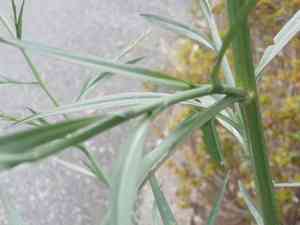
Eastern annual saltmarsh aster (Symphyotrichum subulatum)
Also known as: Baby's breath aster, Blackland aster, Sea aster, Aster weed, Slender aster, Small saltmarsh aster
Smooth cordgrass (Spartina alterniflora) is a perennial grass native to the coastal salt marshes of the eastern United States. This plant is commonly utilized in meadow restoration and landscaping due to its soil-stabilizing properties and its role in supporting local wildlife.
In This Article
Attributes of Eastern annual saltmarsh aster
Lifespan
Annual, Biennial
Plant Type
Herb
Plant Height
1 m
Spread
N/A
Leaf Color
Green
Flower Size
1.3 cm
Flower Color
White Purple
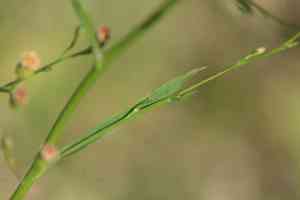
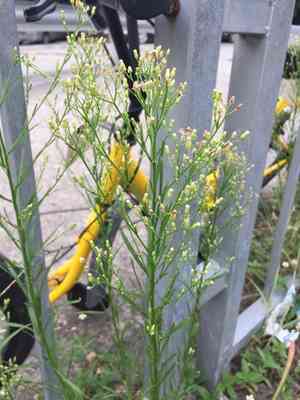
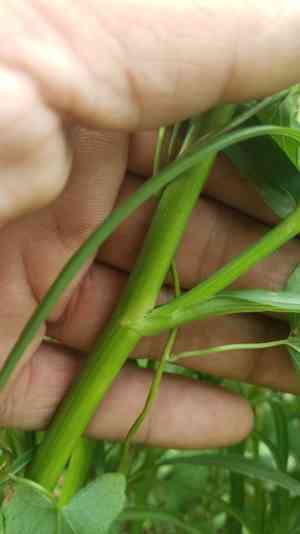
Images of Eastern annual saltmarsh aster
Quickly Identify Eastern annual saltmarsh aster
1
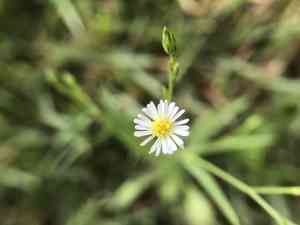
The plant can be identified by its thin, lance-shaped leaves and small, daisy-like white to pale lavender flowers with yellow centers. It typically blooms in late summer to fall.
Scientific Classification of Eastern annual saltmarsh aster
Phylum
Vascular plants
Class
Dicotyledons
Order
Asterales
Family
Daisy
Genus
Asters
Species
Eastern annual saltmarsh aster
Planting and Growing of Eastern annual saltmarsh aster
Care Difficulty
Easy
Watering Schedule
Every 4 days
Sunlight Requirements
Full sun
Sunshine Duration
6-10 hours
Ideal Temperature
65-75℉
Soil Type
Potting Mix, Peat Mix
Soil pH
6.5-7.5
Fertilizer Type
Balanced
Pruning Season
Spring, Summer
Pruning Area
Branches, Leaves
Pruning Frequency
2 times a year
Repotting Season
Spring
Pot Type
Terracotta, Plastic
 How to Water Eastern annual saltmarsh aster?
Symphyotrichum subulatum prefers to have its soil kept moderately moist. It's best to water until the topsoil is evenly dampened and water starts to drain out from the bottom of the pot. Ensure that the moisture reaches the root zone but do not let the plant sit in water to avoid root rot.
What are the symptoms of an underwatered Eastern annual saltmarsh aster?
›
What should I do if my Eastern annual saltmarsh aster is not getting enough water?
›
What are the symptoms of an overwatered Eastern annual saltmarsh aster?
›
How to save an overwatered Eastern annual saltmarsh aster?
›
 What Are the Sunlight Requirements for Eastern annual saltmarsh aster?
Partial sun ensures the plant benefits from gentle morning light while avoiding harsh noon rays; ample light supports its robust growth and abundant flowering.
More About Sunlight Requirements Techniques→
Solution for Ideal Light
›
Specific Measures
›
Achieving the Ideal Effect
›
 What Is the Ideal Temperature Range for Eastern annual saltmarsh aster?
Symphyotrichum subulatum prefers a moderate temperature range between 65°F and 75°F. This range supports optimal photosynthesis and growth, contributing to their health and vitality.
 What Soil is Best for Eastern annual saltmarsh aster?
Symphyotrichum subulatum thrives in nutrient-rich soil, as it provides essential minerals and organic matter. This facilitates healthy root growth and lush flowering, critical for the plant's ornamental value. This plant necessitates well-drained soil to prevent waterlogging, which can lead to root rot. Such soil allows excess water to flow away, keeping the roots aerated and healthy. While preferring well-drained soils, it also benefits from some moisture retention to sustain regular growth, ensuring the plant remains hydrated during dry spells.
More About Soil→
 How to Fertilize Eastern annual saltmarsh aster?
Symphyotrichum subulatum, commonly known as the azure aster, appreciates a balanced nutrient supply. When using liquid fertilizer, mix at half the recommended strength, typically one tablespoon per gallon of water. For slow-release fertilizers, following the packaging instructions is crucial, usually around one tablespoon sprinkled evenly across the soil surface per application.
 How to Prune Eastern annual saltmarsh aster?
To begin pruning Symphyotrichum subulatum, first explore your plant for any dead, damaged, or diseased stems and remove them with sharp pruning shears. It’s important to make clean cuts just above a healthy node to encourage fuller, more vigorous growth. Next, thin out overcrowded areas to improve air circulation, which helps to prevent mildew and encourages stronger blooms. As your plant grows, maintain its shape by trimming back overlong stems and unruly branches. Focus on creating a pleasing and balanced form, ensuring sunlight penetrates the foliage evenly. Regularly pinch back new growth to stimulate branching and a denser habit.
 How to Propagate Eastern annual saltmarsh aster plant?
1
For seed propagation, prepare a well-draining soil mix enriched with organic matter. Sterilize the soil to eliminate pathogens before sowing seeds to ensure healthy seedlings.
2
Sow seeds evenly in seed trays, covering them lightly with soil. Maintain consistent moisture and place trays in a warm, well-lit area to encourage germination.
3
Carefully dig up the plant and gently separate the roots using a trowel. Ensure each division has sufficient roots and foliage before replanting in prepared soil.
 How to Repot Eastern annual saltmarsh aster plant?
1
The ideal time to repot Symphyotrichum subulatum is when you notice roots encircling the pot's base or growth appears stunted. These are clear signals that the plant has outgrown its container and requires more space for healthy development.
2
Opt for a pot that's 1-2 inches larger in diameter than the current one and has drainage holes. This ensures adequate space for root expansion and prevents waterlogging, promoting a healthier root environment.
3
Select a well-draining potting mix rich in organic matter. This soil type ensures adequate hydration while preventing root rot, providing the perfect balance for the plant's optimum growth.
Learn More About Eastern annual saltmarsh aster Diseases
Anthracnose
Bacterial Leaf Spot
Bacterial Wilt
Black Spot
Chemical Injury
Damping-off
Downy Mildew
Drought Stress
Fusarium Wilt
Gray Mold
Leaf Curl
Leaf Spot
Mosaic
Nutrient Deficiency
Nutrient Toxicity
Powdery Mildew
Root Rot
Root-knot Nematode
Rusts
Sooty Mold
Spider Mites
Temperature Stress
Thrips Damage
White Mold



