Enhancing Your Garden Design with the Eastern annual saltmarsh aster Plant: A Landscaping Guide
1
The Eastern annual saltmarsh aster brings vivid hues and a distinct feel to your garden.
2
This aster variety contributes to native wildlife and enhances the quality of the earth.
3
For optimal growth, cultivate Eastern annual saltmarsh aster in soil that drains well and receives ample sun.
Introducing Eastern Annual Saltmarsh Aster in Landscape Design
Overview of Eastern annual saltmarsh aster as a landscaping option
Eastern annual saltmarsh aster, recognized for its lovely and delicate blossoms, is increasingly favored by landscaping enthusiasts. Its capacity to flourish in diverse conditions, coupled with minimal upkeep needs, makes it an ideal selection for both new and seasoned gardeners. Whether aiming to add vibrant color or create a tranquil, natural setting, Eastern annual saltmarsh aster integrates seamlessly into any garden plan.
The growing popularity of Eastern annual saltmarsh aster in contemporary gardens
In recent years, Eastern annual saltmarsh aster has seen a rise in demand due to its visual appeal and ecological advantages. Gardeners are recognizing the benefit of incorporating native flora into their landscapes, supporting local ecosystems while enhancing garden beauty. The distinct charm of Eastern annual saltmarsh aster's flowers adds a modern touch to classic garden layouts, making it a versatile choice for current landscaping trends.
Aesthetic Advantages of Incorporating Eastern Annual Saltmarsh Aster
Enhancing color palettes with Eastern annual saltmarsh aster's blooms
A key visual benefit of Eastern annual saltmarsh aster is the vivid spectrum of colors it brings to your garden. The flowers of Eastern annual saltmarsh aster, often appearing in hues from soft pastels to bold tones, can complement and enrich your landscape's overall color scheme. These bursts of color can act as focal points or blend with other plants, forming a visually engaging tapestry that evolves with the seasons.
Creating textural contrast with Eastern annual saltmarsh aster's foliage
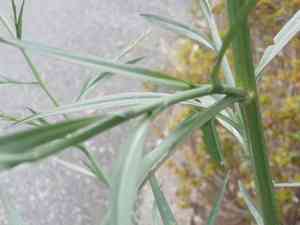
Beyond its beautiful flowers, Eastern annual saltmarsh aster also provides distinctive foliage that adds texture to your garden. Its fine, delicate leaves offer a soft contrast to larger, more robust plants, adding depth and interest to your landscape design. This textural diversity can help define different areas within your garden, guiding the eye and establishing a sense of structure and balance.
Ecological Contributions of Eastern Annual Saltmarsh Aster in Landscaping
Contributions to local biodiversity
Integrating Eastern annual saltmarsh aster into your garden not only boosts its visual charm but also supports local biodiversity. As a native species, Eastern annual saltmarsh aster offers vital habitat and food sources for local wildlife, including pollinators like bees and butterflies. By planting Eastern annual saltmarsh aster, you are fostering a mini-ecosystem that promotes the health and sustainability of your local environment.
Improving soil health and air quality
Eastern annual saltmarsh aster plays a vital role in enhancing soil health and air quality. Its root system helps stabilize the soil, reducing erosion and promoting nutrient retention. Additionally, Eastern annual saltmarsh aster absorbs carbon dioxide and releases oxygen, contributing to cleaner air. This makes Eastern annual saltmarsh aster not just an aesthetic choice but also an environmentally responsible one.
Practical Advice for Integrating Eastern Annual Saltmarsh Aster into Your Garden
Selecting the optimal site for Eastern annual saltmarsh aster
When incorporating Eastern annual saltmarsh aster into your garden, choosing the right location is crucial for its best growth. Eastern annual saltmarsh aster thrives in well-drained soil and requires ample sunlight. While it can endure partial shade, planting it in a sunny spot will yield the most abundant blooms. Also, consider areas in your garden that benefit from seasonal color and texture, as Eastern annual saltmarsh aster's flowers can provide continuous interest throughout the growing season.
Companion plants that complement Eastern annual saltmarsh aster
Pairing Eastern annual saltmarsh aster with suitable companion plants can enhance your garden's overall beauty and vitality. Consider plants that share similar growing conditions and complement Eastern annual saltmarsh aster's color and texture. Examples include other native flowering plants and grasses. These combinations not only create harmonious visual appeal but also foster a balanced and diverse garden ecosystem.
Seasonal Considerations for Eastern Annual Saltmarsh Aster
Optimal times of year for planting and thriving
To ensure the success of Eastern annual saltmarsh aster in your garden, timing your planting season is essential. The best time to plant Eastern annual saltmarsh aster is during early spring or fall when temperatures are milder, and the soil retains more moisture. This allows the plants sufficient time to establish their root systems before the harsher conditions of summer or winter.
Preparing Eastern annual saltmarsh aster for seasonal changes
As seasons shift, so should your care routine for Eastern annual saltmarsh aster. In autumn, you might need to apply mulch around the plant bases to shield them from cold. During dry summer months, ensure Eastern annual saltmarsh aster receives adequate water to prevent wilting. Adjusting your care practices with the seasons will help your Eastern annual saltmarsh aster plants flourish year-round.
Frequently Asked Questions
Can Eastern annual saltmarsh aster grow well in shaded areas?
While Eastern annual saltmarsh aster prefers full sun for maximum bloom production, it can tolerate partial shade. However, the quantity of flowers may be reduced in shadier spots.
How often should Eastern annual saltmarsh aster be watered?
Eastern annual saltmarsh aster generally needs moderate watering. Ensure the soil remains consistently moist but not waterlogged. During dry spells, an additional deep watering once a week can help maintain its health.



