How to Transplant Pacific Aster?
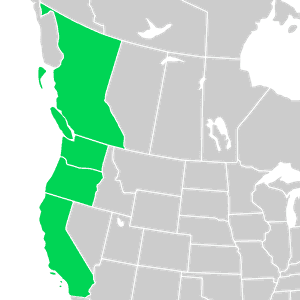
For the best start, relocate pacific Aster when its renewal is at its peak, at the beginning of spring. Choose locations that receive ample sunlight to some shade and have soil that drains effectively. Pacific Aster flourishes most when given sufficient room to grow and regular hydration after being moved.
Necessary Preparations Before Relocating Pacific Aster
Optimal Period for Moving Pacific Aster?
For pacific Aster, the best time for relocation is during the early to mid-spring, when growth resumes. This timing aligns with pacific Aster's natural cycle, allowing roots to establish in moderate soil temperatures before summer's peak growth. Transplanting at this point ensures a smooth transition, giving pacific Aster an excellent start. This method promotes root development and minimizes transplant shock, vital for pacific Aster's success in its new spot. Following this phased approach within the suggested timeframe guarantees the most favorable conditions for pacific Aster's flourishing.
Recommended Spacing Between Pacific Aster Plants?
When relocating pacific Aster, aim for a spacing of 1-2 feet (30-60 cm). This distance supports healthy development and reduces competition for nutrients. Don't worry, your plants will soon fill the empty spaces!
Ideal Soil Mixture for Pacific Aster Relocation?
Pacific Aster thrives in loamy, well-drained soil rich in organic material. Incorporate compost or aged manure to provide a strong nutritional foundation for the plants. This preparation is crucial for a successful beginning!
Where to Replant Your Pacific Aster?
Select a site where pacific Aster will receive full sun. However, in hotter climates, some afternoon shade can be beneficial. Sunlight is essential for your plant's growth, so choose wisely!
Equipment Required Before Transplanting Pacific Aster
Gardening Gloves
To safeguard your hands from dirt and potential plant thorns during the transplanting process.
Garden Fork and Trowel
To excavate a hole for transplanting and to extract the plant from its original spot. The fork is particularly useful if the plant is being moved from the ground.
Watering Can
To hydrate the plant before and after transplanting, ensuring it remains moisturized.
Pruning Shears
To trim any damaged or excessively long roots prior to planting. These can also be used to prune the plant's top for balance and to encourage new growth.
Mulch
To help maintain soil moisture around the plant after it has been transplanted.
How to Extract Pacific Aster from the Soil?
How to Extract Pacific Aster from the Soil?
From Ground: To remove pacific Aster from the ground, begin by moistening the soil to make it easier to work with. Use a garden fork to loosen the earth surrounding the plant. Be careful not to harm the root system. Once sufficiently loosened, gently lift the plant. From Pot: For potted pacific Aster, it's a bit simpler. Invert the pot while supporting the plant at its base. If the plant doesn't come loose, you can tap the bottom or sides of the pot. From Seedling Tray: If moving a pacific Aster seedling, exercise extreme caution. Use a spoon or small trowel to lift the seedling, ensuring the root and surrounding soil remain intact. Handle the seedling by its leaves to avoid damaging the delicate stem.
Step-by-Step Guide for Relocating Pacific Aster
Preparation
Clear the transplant area of any weeds or debris, then dig a hole twice the width of the pacific Aster's root ball and the same depth as its current growing conditions. Water the hole to prepare it for the new arrival.
Placement of pacific Aster
Gently place the plant into the hole, ensuring it is at the same depth as it was in its original location. The top of the root ball should be level with the ground surface. Backfill the hole with the same soil you removed.
Firming
Gently firm the soil around pacific Aster's base, pressing out any air pockets to ensure the roots are in close contact with the soil. Roots exposed to air will not grow and can perish.
Watering
Once the plant is in position, water it thoroughly.
Post-Transplant Care for Pacific Aster
Protection
Keep pacific Aster in partial shade for a few days until it can tolerate full sunlight. Gradually move it into more sun as it gains strength.
Pruning
Be sure to prune the plant's top to stimulate new branch growth and to balance the stress on the roots. Remove any dead, diseased, or broken branches.
Watering
Use a watering can to maintain consistent soil moisture but avoid over-watering, which can lead to root rot. Check the soil's moisture levels regularly by touching it with your finger.
Mulching
Apply a 2 to 3-inch layer of organic mulch around the transplanted plant. This helps retain soil moisture, regulate temperature, and suppress weed growth.
Monitoring
Observe your pacific Aster over the next few weeks for any signs of stress. If you notice wilting, yellowing foliage, or a lack of growth, it may require more attention. Some adjustments might be necessary until your plant establishes itself and resumes growth.
Addressing Common Issues with Pacific Aster Transplantation.
When is the best time to move pacific Aster?
The optimal transplanting period for pacific Aster is during S1-S2. This timeframe offers the most favorable growing conditions.
What distance should I maintain between pacific Aster plants during relocation?
To ensure healthy development and prevent competition, position each pacific Aster plant 1-2 feet (30-60 cm) apart.
What should I do if pacific Aster leaves turn yellow after transplanting?
Yellowing leaves may indicate a watering issue or nutrient deficiency. Adjust your watering schedule and apply a balanced fertilizer.
Why is my relocated pacific Aster not growing as expected?
Slow growth might be due to compacted soil, insufficient sunlight, or inadequate watering. Improve soil conditions, ensure ample sunlight, and maintain proper hydration.
Can I transplant pacific Aster into a shaded area away from direct sunlight?
Pacific Aster thrives in sunlight. However, it can tolerate partial shade, but its blooming may be reduced. A balance of sun and shade is ideal.
What type of soil is best for transplanting pacific Aster?
Pacific Aster prefers well-drained soil rich in organic matter. You can enhance soil quality by adding compost or well-rotted manure.
My recently transplanted pacific Aster is wilting; what could be the cause?
Wilting is typically caused by shock or insufficient water. Ensure regular watering in the first few weeks after transplanting, but avoid saturating the soil.
What's causing my relocated pacific Aster to droop and have brown, withered leaves?
Brown, withered leaves and drooping may signal a disease or pest infestation. Inspect for insects and apply an appropriate pesticide or fungicide.
How often should I water pacific Aster after transplanting?
Immediately after transplanting, water pacific Aster daily for one week. Afterward, reduce to once per week or when the top inch (2.5 cm) of soil is dry.
How deep should I dig the hole for transplanting pacific Aster?
The hole should be twice the width of pacific Aster's root ball, and deep enough so it sits at the same level as it was in its previous container.



