How to Propagate Pacific Aster?
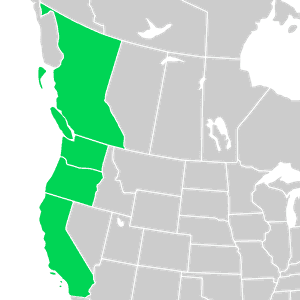
Pacific Aster flourishes when reproduced by seeding. To achieve the best outcomes, confirm that the seeds are embedded in a porous soil blend, offering gentle dampness without waterlogging to encourage sprouting. Regular inspection of the soil's state is vital, as steady, yet not excessive, hydration is essential for successful young plant growth. It is beneficial to commence propagation in settings that mimic Pacific Aster's native environment, preferring cooler, seaside climates.
Optimal Period for Pacific Aster Propagation
Propagation Method
Seeding
Propagation Period
Spring
Essential Tools for Pacific Aster Propagation
Seed trays
Seed trays are vital for germinating pacific Aster seeds. They facilitate easy management of young plants, allowing for proper spacing and depth control. This spacing is key for pacific Aster, ensuring each seedling has ample room to establish a robust root system.
Fine seed compost
Fine seed compost offers a light, nutrient-rich substrate, perfect for pacific Aster seed germination. This compost helps maintain moisture around the seeds, boosting germination rates and supplying essential nutrients for nascent seedlings.
Spray bottle
A spray bottle is used to gently moisten pacific Aster seeds without dislodging them, which is important due to their small size and shallow planting. This tool helps maintain ideal moisture levels, critical for germination and early growth stages of pacific Aster.
Heat mat
A heat mat encourages effective germination by maintaining a steady soil temperature, beneficial for pacific Aster. This is especially crucial in cooler climates or during colder months, as pacific Aster seedlings thrive with warmth to initiate and sustain germination.
Grow lights
Grow lights provide a controlled light source, essential for pacific Aster development once germinated. These lights ensure seedlings receive sufficient illumination, particularly when natural sunlight is insufficient. Proper lighting is vital for photosynthesis and the overall health of young plants.
Dibber or sowing tool
A dibber or sowing tool creates uniform holes or depressions for sowing pacific Aster seeds. This ensures seeds are planted at the correct depth, improving germination rates and initial growth stability.
How to Propagate Pacific Aster?
Propagation Type
Simple
Post-Propagation Care for Your Pacific Aster
How to Care for Your Newly Propagated Pacific Aster?
After germination, allow pacific Aster seedlings to develop at least two sets of true leaves. Gradually acclimate them to outdoor conditions before transplanting to a permanent spot in full sun or partial shade. Ensure the planting area has well-draining soil. Consistent watering is important, especially during dry periods, but be careful not to overwater. Apply a balanced, slow-release fertilizer annually in early spring to encourage healthy growth and abundant blooms.
Common Errors to Avoid When Propagating Pacific Aster
Overwatering
Excessive watering of pacific Aster can lead to root rot, a fungal issue caused by too much moisture around the roots. This error can hinder proper root development, reducing the plant's ability to absorb nutrients and eventually causing its demise.
Underwatering
While pacific Aster has some drought tolerance, insufficient watering during propagation can impede adequate root development. This limits the plant's growth and reduces its resilience, making it more vulnerable to stress and diseases.
Poor substrate choice
Using an unsuitable substrate for pacific Aster can obstruct drainage and aeration. This might result in waterlogging or, conversely, overly rapid drying of the soil, both of which can harm root development and impact overall plant health.
Excessive handling or disturbance
Frequent handling or disturbance of pacific Aster during propagation can damage delicate new roots or shoots. This stress can slow down the plant's growth and establishment, reducing propagation success.
Tips For Propagating Pacific Aster
Use well-draining medium
Plant pacific Aster in a well-draining medium to ensure proper water drainage and prevent root rot. A mix of potting soil, perlite, and sand usually works well, promoting healthy root growth and overall plant vitality.
Monitor water levels carefully
Provide pacific Aster with consistent moisture but avoid waterlogging. Check the medium's moisture level regularly, ensuring it is damp but not excessively wet, to support healthy root development.
Handle with care
Minimize handling of pacific Aster during propagation to avoid disturbing growing roots and shoots. When necessary, handle the plant gently to prevent any damage that might hinder its growth.
Provide indirect light
Ensure pacific Aster is placed in a location with indirect light during the initial propagation stages. Direct sunlight can be too intense, potentially causing stress and moisture loss, while indirect light supports steady growth.



