Pacific Aster (Symphyotrichum chilense)
Also known as: California Aster, Pacific Aster
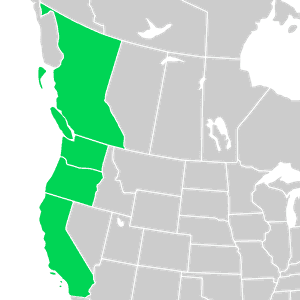
The Pacific Aster, a perennial herb from the sunflower family, is an excellent choice for butterfly gardens due to its vibrant purple flowers with yellow centers. Originating from western North America, stretching from British Columbia to California, this plant thrives in various habitats, particularly coastal regions. It is known to attract birds, butterflies, and bees.
In This Article
Attributes of Pacific Aster
Lifespan
Perennial
Plant Type
Herb
Plant Height
51 cm to 1.02 m
Spread
1 m
Leaf Color
Green
Flower Size
1 to 2 inches
Flower Color
Purple White Yellow Pink Violet
Images of Pacific Aster
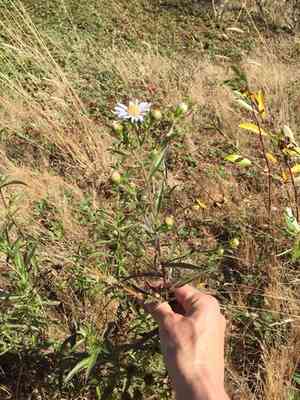
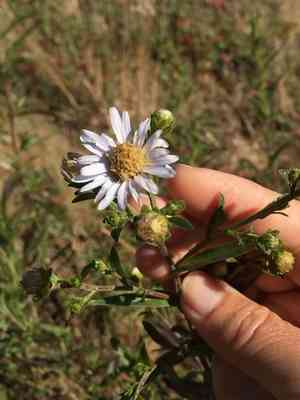
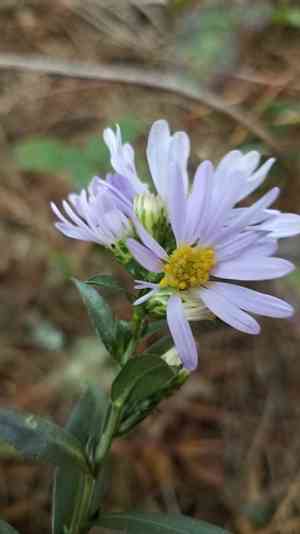
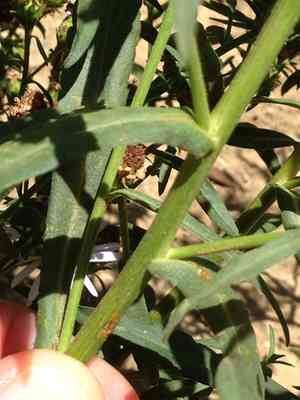
Quickly Identify Pacific Aster
1
Look for the lance-shaped leaves and the clusters of purple to lavender flowers with yellow centers that bloom typically in late summer to fall.
Scientific Classification of Pacific Aster
Phylum
Vascular plants
Class
Dicotyledons
Order
Asterales
Family
Daisy
Genus
Asters
Species
Pacific Aster
Planting and Growing of Pacific Aster
Care Difficulty
Easy
Watering Schedule
Every 2 days
Sunlight Requirements
Full sun
Sunshine Duration
6-10 hours
Ideal Temperature
60-75℉
Soil Type
Potting Mix, Peat Mix
Soil pH
6.5-7.5
Fertilizer Type
Balanced
Pruning Season
Spring, Summer
Pruning Area
Branches, Leaves
Pruning Frequency
2 times a year
Repotting Season
Spring
Pot Type
Plastic, Ceramic
 How to Water Pacific Aster?
Symphyotrichum chilense requires moderate watering. You should drench the soil with about 500 milliliters of water, ensuring that it reaches the roots deeply without leaving excess water sitting on the surface. The aim is to keep the soil consistently moist but not soggy, mimicking their natural environment along coastal regions.
What are the symptoms of an underwatered Pacific Aster?
›
What should I do if my Pacific Aster is not getting enough water?
›
What are the symptoms of an overwatered Pacific Aster?
›
How to save an overwatered Pacific Aster?
›
 What Are the Sunlight Requirements for Pacific Aster?
Providing 6 to 8 hours of sunlight, ideally full morning sun with partial afternoon shade, encourages healthy blooms and strong growth. Symphyotrichum chilense thrives when light is managed effectively, supporting vitality and flowering.
More About Sunlight Requirements Techniques→
How much sunlight does Symphyotrichum chilense need?
›
What are the solutions for achieving ideal lighting?
›
What benefits does ideal lighting provide to the plant?
›
 What Is the Ideal Temperature Range for Pacific Aster?
The ideal temperature range for cultivating Symphyotrichum chilense is between 60°F to 75°F. This temperate range ensures optimal growth and flowering. Maintaining consistent temperatures within these limits can promote healthy foliage and vibrant blooms. It is crucial to aim for these ideal conditions for both indoor and outdoor settings. Monitoring the temperature regularly helps in adjusting environmental conditions accordingly.
 What Soil is Best for Pacific Aster?
Symphyotrichum chilense thrives in well-drained soil because it allows for optimal air exchange and prevents root rot. Ensuring good drainage will keep the roots healthy and the plant vibrant. While drainage is crucial, the soil should also retain some moisture to sustain the plant during dry spells. A balanced moisture level supports consistent growth and excellent flowering. Incorporating organic matter like compost enhances soil fertility, providing essential nutrients. This boosts plant growth and strengthens its resilience against pests and diseases.
 How to Fertilize Pacific Aster?
For Symphyotrichum chilense, apply liquid fertilizer at half the strength recommended on the label, ensuring the roots absorb nutrients without causing damage. When using slow-release pellets, follow package directions, generally one tablespoon per plant.
 How to Prune Pacific Aster?
Begin by cleaning your pruning tools to prevent disease transmission. Start with removing any dead or damaged stems at their base. Trim back about one-third of the plant’s overall height to encourage bushiness. This process rejuvenates the plant and encourages a flush of new growth. Every few years, perform a rejuvenation pruning. Cut back the plant to about 6 inches above the ground in early spring. This drastic pruning encourages fresh growth and can help revive a plant that has become overgrown or woody.
More About Pruning Techniques→
 How to Propagate Pacific Aster plant?
1
Collect seeds from mature flower heads. Allow them to dry before storing in a cool, dry place until you are ready to plant in spring for optimal germination.
2
Choose healthy stems for cuttings, about 4-6 inches long. Remove the leaves from the lower half and dip in rooting hormone to encourage root formation.
3
Dig up established plants and separate the root clumps carefully. Each division should have roots and shoots. Replant these immediately in prepared soil.
 How to Repot Pacific Aster plant?
1
Repotting Symphyotrichum chilense is ideally done when you notice roots emerging from drainage holes or the plant appears to outgrow its pot. Another signal is when watering becomes less effective, causing the soil to remain soggy or dry too quickly.
2
Select a pot that is 2-3 inches larger in diameter than the current one, with adequate drainage holes. A slightly oversized pot allows room for root growth and helps prevent waterlogging, thus promoting healthier plant development.
3
Opt for a well-draining potting mix to ensure proper aeration and moisture retention. This prevents root rot and provides essential nutrients, facilitating robust root establishment and allowing the plant to thrive in its new environment.
Learn More About Pacific Aster Diseases
Anthracnose
Bacterial Leaf Spot
Bacterial Wilt
Chemical Injury
Crown Gall
Cyst Nematode
Damping-off
Downy Mildew
Drought Stress
Fusarium Wilt
Gray Mold
Leaf Spot
Mosaic
Nutrient Deficiency
Nutrient Toxicity
Powdery Mildew
Root Rot
Root-knot Nematode
Rusts
Sooty Mold
Spider Mites
Temperature Stress
Thrips Damage
White Mold



