How to Transplant Northern bog aster?
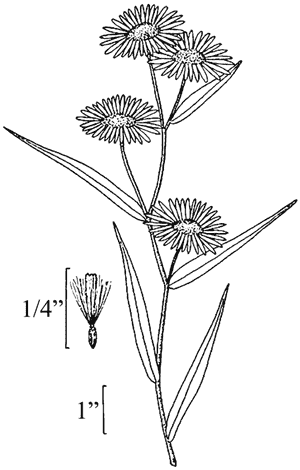
Northern bog aster flourishes when relocated from the beginning to the end of spring, as this timeframe enables its root system to become firmly established prior to the warmth of summer. Select locations that receive full sun to partial shade, featuring damp, adequately draining soil for peak development. Refrain from transplanting during the hottest part of the season.
Essential Preparations Before Relocating Northern Bog Aster
Optimal Timing for Northern Bog Aster Relocation?
Northern bog aster, a perennial, thrives when moved between early and late spring. This timeframe allows for robust root development prior to summer's heat. Relocating during this period benefits northern bog aster by providing ample moisture and mild temperatures, fostering vigorous growth and resilience. Early to late spring promotes successful acclimation, crucial for the plant's vitality and strong development.
Recommended Spacing Between Northern Bog Aster Plants?
Northern bog aster should be positioned 12-18 inches (30-45 cm) apart. This provides sufficient room for the plants to expand and flourish without becoming overcrowded. Proper spacing aids in disease prevention and ensures adequate air circulation.
Ideal Soil Blend for Northern Bog Aster Relocation?
Northern bog aster prefers damp, well-draining soil that is slightly acidic. Before moving, incorporate organic compost or a balanced base fertilizer to enrich the soil. This supplies the necessary nutrients for the plants to establish a healthy start in their new environment.
Selecting a New Site for Your Northern Bog Aster?
Choose a spot that receives full sun to partial shade for relocating northern bog aster. Aim for at least 6-8 hours of daily sunlight. Sufficient sunlight is vital for their growth and guarantees beautiful blooms.
Tools Required for Northern Bog Aster Relocation
Gardening Gloves
To safeguard your hands while handling soil and plants.
Shovel or Spade
For excavating holes and trenches without disturbing surrounding areas.
Trowel
Useful for working in confined spaces and carefully managing roots.
Watering Can or Hose
Crucial for hydrating before and after relocation.
Compost or Well-Rotted Manure
To enrich the new planting site.
Mulch
Helps maintain soil moisture and regulate temperature around the plant.
Method for Extracting Northern Bog Aster from the Soil
Method for Extracting Northern Bog Aster from the Soil?
From Ground: First, hydrate the northern bog aster plant to moisten the soil. Next, excavate a wide trench around the plant using a shovel or spade, ensuring the plant's root ball remains intact. Carefully work the spade beneath the root ball to lift the plant from its original spot without harming the roots.From Pot: Water the northern bog aster thoroughly a few hours before relocating to make the soil easier to manage. Gently tap the pot's sides to loosen the root ball. Then, carefully tip the pot and slide the plant out, supporting the stem's base.From Seedling Tray: Lightly water the seedlings before relocating. Use a trowel or gently squeeze the cell tray to dislodge the seedling. Support the plant's base as you lift it from the tray to prevent damage to the delicate roots.
Detailed Instructions for Relocating Northern Bog Aster
Prepare the New Site
Select a well-drained, sunny location for relocating your northern bog aster. Remove any weeds or debris.
Excavate the Hole
Dig a hole that is twice as wide and equally deep as the root ball of your northern bog aster. This provides ample room for the roots to spread.
Improve the Soil
Mix some compost or well-rotted manure into the excavated soil to enrich it. This will give your northern bog aster a nutritional boost as it settles in.
Relocate the Plant
Position the northern bog aster in the hole, ensuring the top of the root ball is level with the surrounding soil. Backfill the hole with the amended soil, gently pressing it down to eliminate air pockets.
Thoroughly Water
Give the relocated northern bog aster a good drenching to help the soil settle around the roots and minimize transplant shock.
Post-Relocation Care for Northern Bog Aster
Watering
Keep the soil around the northern bog aster consistently damp, but not waterlogged, for the initial weeks after relocation to aid in strong root establishment.
Mulching
Apply a layer of mulch around the base of the northern bog aster to help retain moisture and keep the roots cool.
Protection
Consider installing temporary shade cloth or using garden stakes to offer support and protection from strong winds while the northern bog aster establishes itself.
Addressing Common Issues with Northern Bog Aster Relocation.
When is the optimal time to relocate northern bog aster?
Relocate northern bog aster from early spring to late spring for best growth and establishment.
What spacing is recommended for northern bog aster after relocation?
Space northern bog aster 12-18 inches (30-45 cm) apart to ensure healthy growth and air circulation.
Which soil type is ideal for northern bog aster during relocation?
Use well-drained, slightly acidic to neutral soil for relocating northern bog aster to promote root development.
How do I prepare the planting area for northern bog aster?
Loosen the soil, remove weeds, and incorporate compost to enrich the planting site for northern bog aster.
What if northern bog aster shows signs of transplant shock?
Water northern bog aster thoroughly, ensure it's not in direct sun, and be patient as it adjusts.
How much water should northern bog aster receive after relocation?
Water northern bog aster well initially, keeping the soil consistently moist but not waterlogged for the first few weeks.
What to do if northern bog aster roots are pot-bound?
Gently separate or trim the roots to encourage them to spread in the new location.
Is pruning necessary for northern bog aster after relocation?
A light pruning helps northern bog aster prioritize root establishment over foliage growth post-relocation.
What indicates nutrient deficiency in northern bog aster after relocation?
Yellow leaves may signal nutrient deficiency; use a balanced fertilizer to support northern bog aster.
How can I safeguard northern bog aster from pests after relocation?
Regularly check for pests and use organic insecticides or neem oil if needed for northern bog aster.



