How to Propagate Northern bog aster?
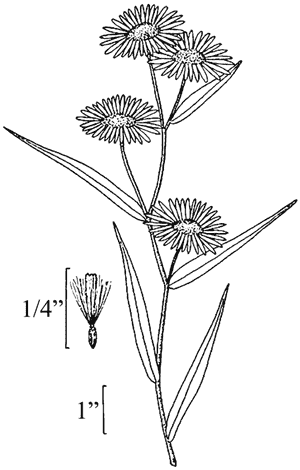
Northern bog aster flourishes in damp, marshy environments and is most effectively multiplied via stem sections. Choose robust, uninfected stalks, making sure to include nodes. Apply a rooting stimulant to foster root formation, then embed in a humid, adequately draining medium. Maintain a moist atmosphere and shield from direct solar exposure. Consistent spraying aids development until the root system is firm. Transplant once roots are strong.
Optimal Time for Northern Bog Aster Propagation
Propagation Type
Cutting
Propagation Season
Spring,Summer
Tools for Northern Bog Aster Propagation
Sharp Pruning Shears
Pruning shears are vital for making clean, precise cuts on northern bog aster. Sharp blades prevent stem damage, which could lead to rot or disease. Sterilize shears before use to stop pathogen spread.
Propagation Trays
Propagation trays offer a controlled setting for rooting northern bog aster cuttings. They allow for proper spacing and excellent drainage, essential for preventing root rot and fostering healthy root growth.
Rooting Hormone
Rooting hormone is applied to northern bog aster cuttings to encourage root development. It significantly boosts rooting success by promoting faster and stronger root formation.
Misting System
A misting system keeps northern bog aster cuttings humid without over-saturating them. Consistent humidity is crucial to prevent drying out while roots form.
Heat Mat
A heat mat provides steady bottom warmth to propagation trays, enhancing the rooting speed and success of northern bog aster cuttings. A stable, warm root zone encourages quicker root growth even in cooler ambient temperatures.
Sterile Potting Medium
Using a sterile potting medium, such as a perlite and peat blend, prevents the introduction of harmful pathogens to northern bog aster during the critical rooting phase. It also ensures optimal air circulation and drainage.
Humidity Dome
A humidity dome placed over propagation trays helps maintain a high humidity environment, which is essential for preventing northern bog aster cuttings from drying out. It also ensures consistent moisture levels until roots develop.
How to Propagate Northern Bog Aster?
Propagation Type
Easy
Caring for Your Newly Propagated Northern Bog Aster
How to Care for Your Newly Propagated Northern Bog Aster?
Once roots have formed in a few weeks, gradually introduce the new northern bog aster plant to normal humidity by removing the cover a little each day. Ensure it is placed in a spot with bright, indirect light and consistently moist soil. Over time, move the plant to its permanent location, remembering northern bog aster's preference for moist, well-drained soil and partial to full sun. Regularly check for pests and diseases, and provide adequate water and nutrients to support healthy growth.
Common Mistakes to Avoid When Propagating Northern Bog Aster
Overwatering
Too much moisture can cause root rot, hindering growth and potentially killing young plants.
Poor Soil Drainage
Soil that doesn't drain well can suffocate roots, leading to stunted growth and poor plant health.
Inadequate Light
Insufficient sunlight can impede photosynthesis, resulting in weak and leggy growth.
Incorrect Soil pH
Using soil with an unsuitable pH can hinder nutrient absorption, causing deficiencies and poor plant health.
Incorrect Planting Depth
Planting too deep or too shallow can stress the plant, affecting root establishment and growth.
Neglecting Pest Control
Failure to manage pests can lead to significant damage to both young and mature plants.
Tips For Propagating Northern Bog Aster
Moderate Watering
Water plants sufficiently, but ensure the soil drains well to prevent waterlogging and root problems.
Well-Draining Soil
Use a mix that provides good drainage to support healthy root development.
Adequate Sunlight
Position the plant where it receives enough sunlight for optimal photosynthesis and growth.
Correct Soil pH
Test the soil and confirm it's within the ideal pH range for nutrient uptake and overall health.
Proper Planting Depth
Plant at the correct depth to encourage strong root systems and optimal growth.
Pest Monitoring
Regularly inspect for and manage pests to prevent damage and ensure healthy development.



