How to Transplant Felwort?
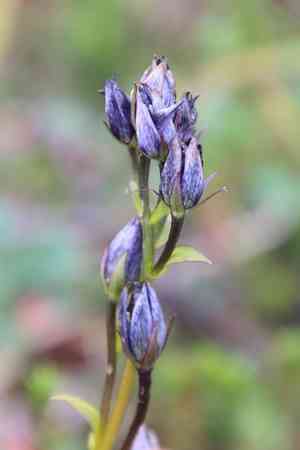
Relocate felwort as spring commences, guaranteeing robust development. Select a site with partial shade and ample moisture. Should it be necessary, amend the earth to aid its adjustment, facilitating a smooth integration.
Preparations Required Before Relocating Felwort
Optimal Period for Felwort Relocation?
The best time to move felwort is during early spring, extending into late spring. This period benefits from mild weather, allowing felwort to establish roots in cool, moist soil, promoting strong development. Moving felwort during this season ensures a smooth transition, avoiding extreme temperature stress. Following this natural cycle encourages a healthy start and sets the stage for abundant blooms.
Recommended Spacing Between Felwort Plants?
Before placing your felwort in its new spot, ensure a comfortable distance of approximately 12-18 inches (30-45 cm) between each plant. This provides ample room for your felwort to expand its root system and thrive!
Ideal Soil Blend for Felwort Transplanting?
Prepare your felwort's new home with well-draining soil, enriched with a balanced, slow-release fertilizer. A mixture abundant in organic material will create a cozy bed that your felwort will absolutely adore!
Where to Replant Your Felwort?
Select a location for your felwort where sunlight gently touches its leaves. Partial sun is perfect, such as dappled light or a spot with morning sun and afternoon shade. This will help your felwort flourish without excessive heat!
Equipment Needed Before Transplanting Felwort
Gardening Gloves
To safeguard your hands while handling soil and plants.
Shovel or Spade
For excavating the plant from its original site with minimal root disruption.
Watering Can
To hydrate the felwort before and after its relocation.
Garden Trowel
For managing smaller plants or detailed work around the root system.
Wheelbarrow
To transport the felwort and soil.
Pruning Shears
To trim any dead or overgrown parts of the plant.
Sturdy Boots
To keep your feet protected and provide stability during digging.
Measuring Tape
To assist in positioning your transplant at the correct spacing in its new spot.
How to Extract Felwort from the Soil?
How to Extract Felwort from the Soil?
From Ground: First, water the felwort plant to moisten the soil. Then, dig a wide trench around the plant using a shovel or spade, ensuring the plant's root ball remains intact. Carefully work the spade beneath the root ball to lift the plant from its original location.From Pot: Begin by watering the felwort to facilitate removal. Tilt the pot sideways and gently tap or squeeze it to loosen the soil. Grasp the plant's base carefully and pull it upward with a twisting motion to extract it from the pot without damaging the roots.From Seedling Tray: Water the tray to soften the soil first. Use a garden trowel or your fingers to loosen the soil around each felwort seedling. Gently lift the seedling by its leaves, not the stem, to prevent harm.
Step-by-Step Guide for Relocating Felwort
Prepare the New Location
Dig a hole where you intend to transplant the felwort, ensuring it's as deep as the root ball and twice as wide to provide ample space for root expansion.
Root Pruning
Inspect the roots and remove any dead or broken ones with pruning shears. If the plant is pot-bound with circling roots, make a few vertical cuts to encourage outward growth.
Planting
Position the felwort in the center of the hole at the same depth it was previously growing. Carefully backfill the hole with soil, gently firming around the roots to eliminate air pockets.
Watering In
Thoroughly water the felwort after planting to settle the soil around the roots and remove any remaining air pockets.
Staking (if needed)
If the felwort is a tall variety or in a windy area, insert a stake next to the plant and loosely tie it for support.
Post-Transplant Care for Felwort
Mulching
Apply a layer of mulch around the felwort to retain moisture and suppress weed growth. Keep the mulch a few inches away from the plant's stem to prevent rot.
Watering
Maintain consistent moisture in the soil around the felwort, avoiding sogginess, for the initial weeks after transplanting to aid in strong root establishment.
Checking
Observe the felwort daily for the first couple of weeks, looking for signs of stress like wilting or discolored leaves, and adjust care as needed.
Protection
Provide some shade to the felwort for a few days if the weather is particularly hot and sunny to prevent scorching.
Maintenance
Promptly remove any weeds that appear near the felwort and trim away any dead or damaged foliage.
Resolving Common Felwort Transplant Issues.
When is the best time to move felwort?
The ideal transfer period is from early to late spring, before peak active growth.
What spacing ensures healthy felwort growth after transplanting?
Allow 12-18 inches (30-45 cm) between plants for adequate air circulation and sunlight.
Why is my relocated felwort wilting?
Wilting may be due to transplant shock. Ensure proper watering, avoid initial direct sun, and consider a root stimulator.
How deep should I plant felwort when transplanting?
The felwort's root ball should be level with the soil surface, promoting stable growth and root spread.
What soil type is best for transplanting felwort?
Use well-draining soil rich in organic matter to give felwort a nutritious start post-transplant.
How much should I water felwort after transplanting?
Water generously to settle the soil around the roots, then follow with regular, moderate watering as the plant establishes.
Should I fertilize felwort right after transplanting?
Delay immediate fertilization to prevent burning tender roots. Begin feeding after 4-6 weeks with a balanced fertilizer.
Can I transplant felwort on a hot, sunny day?
Transplant on a cloudier day or in the evening to minimize stress and prevent excessive water loss.
How do I handle felwort's roots when transplanting?
Gently untangle pot-bound roots and spread them lightly in the planting hole.
Why are the leaves of felwort turning yellow after transplanting?
Yellowing leaves can indicate overwatering or poor drainage. Check moisture levels and adjust accordingly.



