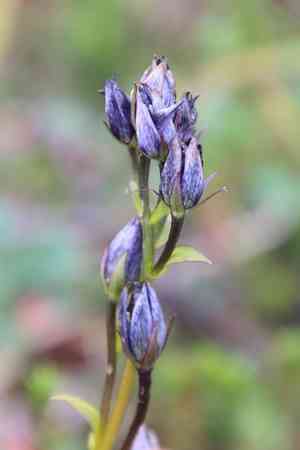
Felwort (Swertia perennis)
Also known as: Marsh felwort
Felwort, or autumn gentian (Gentianella amarella), flourishes in well-drained, calcareous soils, commonly found in grasslands and open woodlands. This wildflower typically blooms from late summer to early autumn, between August and October, showcasing its star-shaped flowers in clusters at the top of each stem.
In This Article
Attributes of Felwort
Lifespan
Perennial
Plant Type
Herb
Plant Height
30 cm to 46 cm
Spread
8 cm to 15 cm
Leaf Color
Green
Flower Size
2.5 cm
Flower Color
Purple Brown
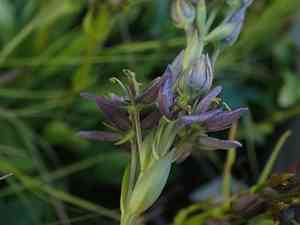
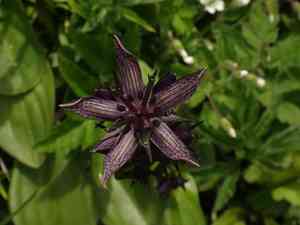
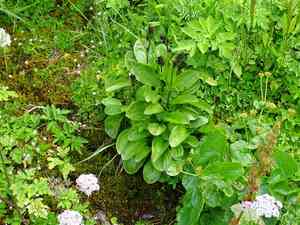
Images of Felwort

Quickly Identify Felwort
1
Swertia perennis can be identified by its small, star-shaped blue to violet flowers that have greenish veins. The leaves are lanceolate and the plant often grows in clusters.
Scientific Classification of Felwort
Phylum
Vascular plants
Class
Dicotyledons
Order
Gentianales
Family
Gentian
Genus
Felworts
Species
Felwort
Planting and Growing of Felwort
Care Difficulty
Moderate
Watering Schedule
Every 2 days
Sunlight Requirements
Partial sun
Sunshine Duration
4-8 hours
Ideal Temperature
50-68℉
Soil Type
Potting Mix, Peat Mix
Soil pH
4.5-6.5
Fertilizer Type
Balanced
Pruning Season
Spring, Summer
Pruning Area
Branches, Leaves
Pruning Frequency
2 times a year
Repotting Season
Spring
Pot Type
Plastic, Ceramic
 How to Water Felwort?
Swertia perennis thrives in moist conditions, and each watering session should be sufficient to thoroughly moisten the soil without leaving standing water. Aim for around 200 ml of water each time, ensuring the water is absorbed evenly to avoid waterlogged conditions at the roots.
What are the symptoms of an underwatered Felwort?
›
What should I do if my Felwort is not getting enough water?
›
What are the symptoms of an overwatered Felwort?
›
How to save an overwatered Felwort?
›
 What Are the Sunlight Requirements for Felwort?
Partial sun conditions offer a balance between too much and too little light, which is crucial for Swertia perennis. This range promotes optimal photosynthesis, robust growth, and vibrant, healthy foliage.
More About Sunlight Requirements Techniques→
Best Season for Sunlight
›
Sunlight Exposure Duration
›
Best Time of Day for Sunlight
›
 What Is the Ideal Temperature Range for Felwort?
Swertia perennis thrives best in cool to moderately warm temperatures ranging from 50°F to 68°F. This temperature range supports optimal physiological processes, ensuring healthy growth and development. Maintaining this range can aid in proper flowering and seed production.
 What Soil is Best for Felwort?
Swertia perennis thrives in well-draining soils that prevent waterlogging, which can cause root rot and other detrimental conditions. Ensuring good drainage is essential for this plant to uptake nutrients efficiently. A rich organic matter content in the soil supports the growth of Swertia perennis by providing essential nutrients and improving soil structure. This helps in maintaining the moisture balance required for optimal plant health. This plant prefers soils that retain moisture yet do not stay soggy. Proper moisture retention supports consistent growth and prevents stress that can arise from fluctuating water levels.
 How to Fertilize Felwort?
Swertia perennis benefits from a balanced fertilizer. For liquid fertilizer, use a dilution of 1/4 teaspoon (about 1.2 ml) per gallon of water, ensuring you're not overwhelming the plant with nutrients.
 How to Prune Felwort?
Begin by carefully assessing Swertia perennis to determine which parts need pruning. Focus on removing any dead, broken, or diseased stems first, as these can hinder the plant's growth. For best results, make your cuts at a 45-degree angle just above a leaf node. This encourages growth and prevents water from collecting on the cut surface, reducing the chance of rot. If the plant has become too dense, selectively thin out some branches to increase air circulation and sunlight penetration, which are essential for the plant's overall health.
More About Pruning Techniques→
 How to Propagate Felwort plant?
1
Collect seeds from mature Swertia perennis plants in late autumn when the seed pods start to dry. Clean and stratify them by placing them in moist sand in the refrigerator for three months to enhance germination rates.
2
Sow stratified seeds in seed trays or directly in the garden in early spring. Cover with a thin layer of soil and maintain humidity by misting regularly. Ensure they receive indirect sunlight and consistent moisture for optimal growth.
3
Dig up mature Swertia perennis plants in spring. Use a garden fork to carefully divide the clumps into sections with at least a few roots. Replant immediately in prepared soil and water thoroughly to reduce transplant shock.
 How to Repot Felwort plant?
1
Swertia perennis should be repotted when you notice roots crowding out of the drainage holes or the growth appears stunted. The ideal time to repot is during the growing seasons of spring or summer, as the plant can recover quickly from any stress during these active periods.
2
Opt for a pot that is one size larger than the current one with ample drainage holes. A terracotta pot is ideal as it allows for better air circulation to the roots, helping to prevent water retention that could lead to root rot. The weight of the pot also adds stability to support the plant.
3
Choose a moist, well-draining soil mix enriched with organic matter. This helps maintain consistent moisture levels which are crucial for Swertia perennis' health, promoting robust root development while avoiding waterlogging. A peat-moss blend with perlite or sand works well to achieve the desired drainage characteristics.
Learn More About Felwort Diseases
Anthracnose
Bacterial Leaf Spot
Bacterial Soft Rot
Bacterial Wilt
Damping-off
Downy Mildew
Drought Stress
Fusarium Wilt
Gray Mold
Leaf Spot
Mosaic
Nutrient Deficiency
Nutrient Toxicity
Powdery Mildew
Root Rot
Root-knot Nematode
Rusts
Sooty Mold
Spider Mites
Temperature Stress
Thrips Damage
White Mold



