How to Prune Felwort?
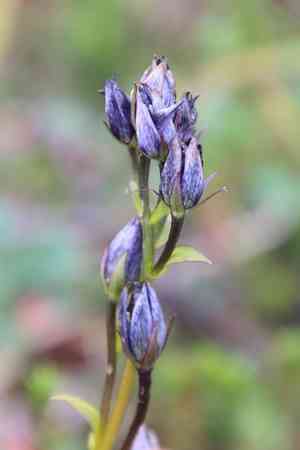
A perennial herb recognized for its therapeutic qualities and star-shaped blossoms, felwort flourishes with limited trimming. In early spring, remove any deceased or compromised stalks to foster robust development. Throughout the summer, snip off faded flowers to prompt a subsequent bloom. This upkeep guarantees revitalization and can boost the plant's energetic growth for the season. Crucial for cultivators, such attention preserves visual appeal and plant health without intricate methods.
What Are the Benefits of Pruning Felwort?
What Are the Benefits of Pruning Felwort?
Trimming felwort promotes robust development and helps maintain its desired form. Regular cutting leads to a stronger plant structure and improved visual appeal.
What Is the Best Time for Pruning Felwort?
What Is the Best Time for Pruning Felwort?
Pruning felwort from late spring to early summer aligns with its post-flowering phase, typically after felwort has bloomed. This timing ensures the plant's energy is directed towards recovery and new growth, rather than sustaining old or spent blossoms. Pruning during this period also allows for shaping and size control without disrupting its natural bloom cycle, as felwort finishes flowering before late spring. Removing dead or damaged stems at this time fosters healthy growth and reduces disease risk. Additionally, this schedule ensures ample growing season remains for felwort to establish new growth before the dormant period of autumn and winter.
What Tools Do I Need to Prune Felwort?
Bypass Hand Pruners
These are perfect for making clean cuts on felwort's stems without crushing plant tissue. They are effective for stems up to 1/2 inch thick and are especially suited for deadheading or removing diseased foliage to encourage healthy growth.
Precision Pruners or Snips
Felwort possesses delicate stems and leaves that may necessitate precision during pruning. Precision pruners enable gardeners to execute careful, targeted cuts without harming adjacent stems or the plant's overall structure.
Gardening Gloves
Although felwort typically lacks thorns, gloves will safeguard hands from potential skin irritants and ensure a firm grip on pruning tools.
How to Prune Felwort
Cleaning tools
Before pruning felwort, sanitize your pruning shears with rubbing alcohol or a household disinfectant to prevent disease transmission.
Identify diseased leaves
Examine felwort for diseased leaves, identifiable by discoloration or malformation. These should be the first parts to be removed.
Prune diseased leaves
Carefully snip off the diseased leaves at the base of their stems, taking care not to harm nearby healthy foliage of felwort.
Identify withered leaves
Locate any withered or yellowing leaves on felwort, as these are unproductive and can be pruned to redirect energy to healthier sections.
Prune withered leaves
Trim the withered leaves from felwort at the point where they meet healthy tissue, avoiding stubs that can serve as entry points for pests.
Identify diseased stems
Inspect felwort for diseased stems, which may appear discolored, swollen, or exhibit unusual growths.
Prune diseased stems
Cut back the diseased stems on felwort to a healthy section, ensuring the cut is clean and angled to prevent water accumulation, which can lead to rot.
Common Pruning Mistakes with Felwort
Overpruning
Removing an excessive amount of foliage, which can stress felwort and result in poor growth or reduced flowering.
Improper Cut Location
Making cuts either too close or too far from the nodes, which can hinder felwort's ability to heal and stimulate new growth.
Using Dull Tools
Employing blunt pruning tools that can damage stems and make felwort more vulnerable to disease.
Pruning Healthy Growth
Unnecessarily cutting away healthy growth can weaken felwort and diminish its vitality.
Ignoring Plant Shape
Pruning without considering felwort's natural habit may lead to an unattractive or unnatural appearance.
Common Pruning Tips for Felwort
Clean Cuts
Use sharp, clean tools to make precise cuts that will heal quickly, helping to maintain the health of felwort.
Remove Dead or Diseased Foliage
Eliminate only the dead, diseased, or damaged material to prevent the spread of disease and to tidy up felwort.
Thin Out Crowded Areas
Thin out crowded stems to improve air circulation, which helps to prevent disease and encourages felwort to develop a more robust form.
Follow Natural Growth
Prune in a way that enhances felwort's natural shape, rather than going against its growth habit.
Selective Pruning
Be selective when pruning to encourage felwort to put energy into the most vigorous and healthy parts of the plant.



