How to Transplant California sea-blite?
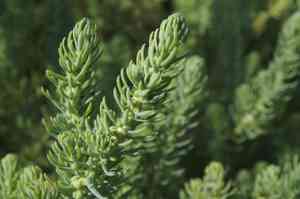
The ideal period for relocating california sea-blite is during the lively beginning of spring. Select a bright, seaside location that offers effective drainage. Verify that the substrate is sandy to loamy for peak development. Provide a moderate amount of water following the transplant.
Essential Preparations Before Relocating California Sea-blite
Optimal Period for Moving California Sea-blite?
The best time to move california sea-blite is from early to mid-spring. This timing allows the plant to develop its root system before the intense summer heat, promoting vigorous development. Transplanting during this window maximizes spring rain moisture and aids in healthy establishment, boosting the plant's resilience and vigor.
Recommended Spacing Between California Sea-blite Plants?
When relocating california sea-blite, maintain a distance of 12-18 inches (30-45 cm) between each specimen. This provides ample room for growth and prevents overcrowding.
Ideal Soil Blend for California Sea-blite Relocation?
Prepare a soil mixture that drains effectively for california sea-blite, adding sand or gravel if needed. Incorporate a foundational fertilizer rich in organic matter to support initial development.
Selecting a New Spot for Your California Sea-blite?
Choose a site for california sea-blite that receives full sun exposure for most of the day. Optimal conditions include 6-8 hours of direct sunlight to encourage healthy growth.
Tools Required Before Moving California Sea-blite?
Gardening Gloves
To safeguard your hands while handling soil and the plant.
Shovel or Spade
For excavating around the plant and preparing a planting hole.
Trowel
Useful for smaller, precise digging tasks.
Watering Can or Hose
To hydrate the plant before and after its relocation.
Garden Fork
To gently loosen the soil surrounding the plant's root ball.
Buckets or Containers
To transport the plant if moving it a significant distance.
Method for Extracting California Sea-blite from the Ground?
Method for Extracting California Sea-blite from the Ground?
From Ground: First, moisten the california sea-blite plant to dampen the soil. Next, dig a wide trench around the plant using a shovel or spade, ensuring the plant's root ball remains intact. Carefully work the spade beneath the root ball to lift the plant from its original spot.From Pot: Water the california sea-blite plant thoroughly before removal. Gently tap the pot's edges to loosen the soil. Turn the pot on its side and carefully slide the plant out, supporting the root ball and soil.From Seedling Tray: Water the california sea-blite seedlings prior to removal. Use a trowel or your fingers to gently lift the seedlings. Aim to keep as much soil around the roots as possible to minimize shock during transplant.
Step-by-Step Guide for Relocating California Sea-blite
Site Preparation
Prepare the ground by digging a hole twice as wide and as deep as the california sea-blite's root ball. Ensure the hole drains well to prevent water accumulation.
Extract the Plant
Follow the appropriate removal procedure based on whether the california sea-blite is in the ground, a pot, or a seedling tray.
Position the Plant
Carefully place the california sea-blite into the prepared hole, making sure the top of the root ball is level with the surrounding soil.
Backfill the Hole
Fill the hole with soil around the plant, pressing gently to remove any air pockets. Be careful not to compact the soil too much.
Water the Plant
Thoroughly water the plant to help settle the soil and encourage root establishment.
Mulch
Apply a thin layer of mulch around the base of the california sea-blite to retain moisture and suppress weeds, but avoid piling mulch directly against the plant stem.
Post-Transplant Care for California Sea-blite
Watering
Keep the soil around the california sea-blite consistently moist, but not waterlogged, for the initial weeks after transplanting to aid in developing strong roots.
Monitoring
Regularly check the california sea-blite for signs of transplant shock, such as wilting or yellowing leaves, and ensure it receives adequate water.
Protection
If needed, provide shade for the california sea-blite during the hottest part of the day and shield it from strong winds until it is well-established.
Pruning
Avoid extensive pruning immediately after transplanting as the plant requires time to recover and settle into its new location.
Addressing Common Issues with California Sea-blite Relocation.
When is the best time to transplant california sea-blite?
Relocate california sea-blite in early to mid-spring for optimal growth and establishment.
What is the ideal spacing for transplanting california sea-blite?
Space california sea-blite plants 12-18 inches (30-45 cm) apart to ensure they have sufficient room to grow.
How should I prepare the soil before transplanting california sea-blite?
Ensure the soil drains well and enrich it with compost to supply essential nutrients.
How do I minimize transplant shock for california sea-blite?
Water thoroughly before and after transplanting. Avoid disturbing the root ball to lessen shock.
Should I trim california sea-blite before transplanting?
Yes, remove any dead or damaged parts to promote healthy new growth after transplant.
How deep should I plant california sea-blite during transplanting?
Plant california sea-blite at the same depth it was in its original container to prevent stress.
How often should I water california sea-blite after transplanting?
Water california sea-blite regularly, keeping the soil consistently moist but not saturated, especially in the first few weeks.
How can I protect california sea-blite from pests during transplanting?
Inspect for pests before transplanting and use organic pesticides if necessary. Apply mulch to deter weeds.
What should I do if california sea-blite shows stress signs after transplanting?
Provide shade, consistent moisture, and check soil quality. Minimize handling to allow recovery.
Can I use fertilizers when transplanting california sea-blite?
Yes, use a balanced, slow-release fertilizer to support new growth without overwhelming the plant.



